
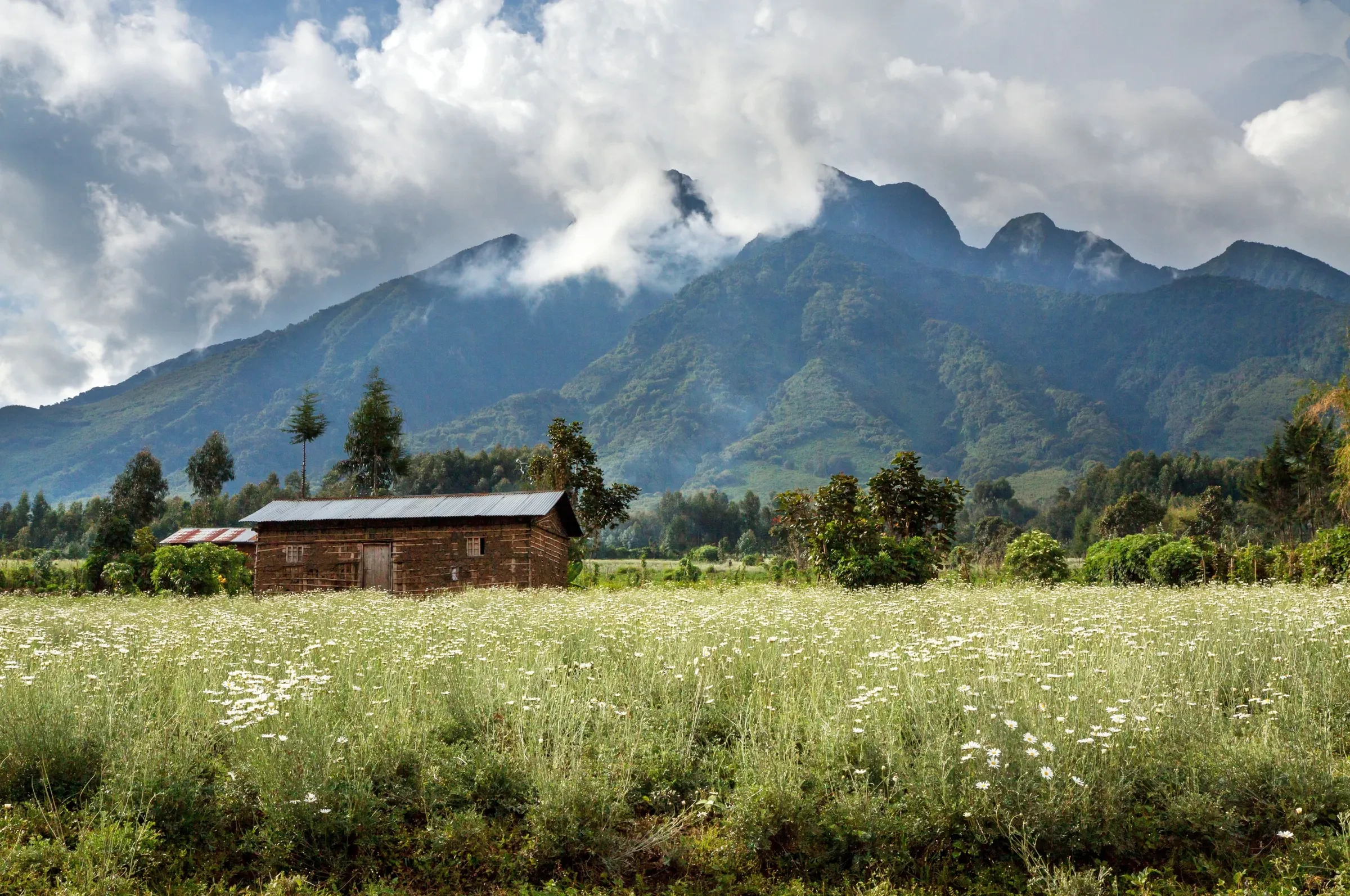
Safari guide
Best time to visit Rwanda
The best time to visit Rwanda is the long dry season — June to September — when Volcanoes National Park's trails are firmest for gorilla trekking. December to February is a second, shorter dry window, while the green months (March–May and October–November) are lush, quieter and still open for trekking.
Written by Joseph Gathuru · Travel designer at Nobu Safaris
Intro
Rwanda makes the gorillas remarkably reachable — the trailheads of Volcanoes National Park are a short drive from Kigali. Trekking runs all year, so the season mostly shapes the mud on the mountain and the green on its slopes, not whether you'll go.
That easy access is Rwanda's great advantage. A gorilla trek here can sit inside a short, polished itinerary without feeling like an expedition, but the experience still deserves care: permit timing, acclimatisation, a calm lodge rhythm and a realistic view of weather. Even in the dry months this is a mountain forest, not a studio set. Mist, rain and shifting cloud are part of the atmosphere.
The detail
- June–September — long dry. The prime window: firmer trails up the volcanoes, lighter rain and the most comfortable trekking conditions. This is the best choice if you want the smoothest possible trek day, especially if you are travelling with limited time.
- December–February — short dry. A second drier spell, warm and largely clear, with the same easier footing. It works well for travellers pairing Rwanda with a broader festive-season East Africa journey, or with Tanzania's January–February calving season.
- March–May & October–November — wetter. The long rains of March–May are the heaviest; October–November brings short rains. The hills are at their greenest and quietest, trails muddier, and trekking continues throughout. The rainier windows can feel deeply atmospheric, but they are better for travellers who do not mind slower footing and damp gear.
Rwanda also rewards more than one night around the trek. A second day gives space for a golden monkey trek, a conservation visit, a quieter morning after the gorillas or simply a less rushed departure. If the permit is the emotional centre of the journey, the rest of the itinerary should protect it.
For many travellers, the best Rwanda safari is deliberately concise rather than crowded. Kigali can add context, Volcanoes can carry the emotional weight, and a few well-placed nights can feel more composed than a route trying to touch every corner of the country.
Key facts
Best for trekking: Jun–Sep (long dry). Second window: Dec–Feb. Wettest: Mar–May; short rains: Oct–Nov. Where: Volcanoes National Park (gorillas). Access: short drive from Kigali. Trekking: year-round. Planning note: hold permits early and leave breathing room around the trek.
Why Nobu for this
Rwanda's quick access to the trailhead makes it the polished way to meet the gorillas — and we time the trek, permits and lodges to the season you choose. We also design around the emotional weight of the day: not arriving exhausted, not leaving too quickly, and not burying the gorilla encounter under unnecessary transfers.
If Rwanda is part of a larger journey, we decide whether it should open the trip, close it, or sit between savannah chapters. That sequence matters. Gorillas at the end can feel like a crescendo; gorillas at the beginning can make the rest of East Africa feel newly alive. See → Uganda vs Rwanda gorilla trekking. → Plan your journey.
Suitability — "right for you if…"
You want the firmest trails and easiest trekking → June–September. You'd accept rain for green quiet → the wet months. Short on time → Rwanda's quick trailhead access suits you whatever the season. Choose Rwanda over Uganda if ease, polish and a short runway matter more than a wider wildlife circuit; choose Uganda if you want the trek woven into a longer, more varied safari.
Related Nobu journeys
- Thousand Hills Circuit — Rwanda paced around the forest and the hills. → Explore
- Gorillas in the Mist — a focused primate journey with permits placed first. → Explore
- Forest and Savannah Passage — compare Rwanda's ease with Uganda's broader arc. → Explore
Common questions
- When is the best time for gorilla trekking in Rwanda?
- The long dry season, June to September, gives the firmest trails; December to February is a second window, and trekking is possible year-round.
- How wet are Rwanda's rainy seasons?
- The long rains of March to May are the heaviest, with shorter rains around October to November; rain often comes in bursts rather than all day.
- Rwanda or Uganda for gorillas?
- Both are excellent. Rwanda reaches the trailhead faster from the capital; Uganda is often better value — see our Uganda vs Rwanda comparison.
- How many days do I need for Rwanda gorillas?
- A short trip is possible, but two or three nights around Volcanoes National Park gives the trek space and reduces pressure on arrival day.
- Can Rwanda pair with Kenya or Tanzania?
- Yes. It can be a concise primate extension before or after a savannah safari, provided flights and permit dates are held early.
- Is Rwanda good for first-time safari travellers?
- Yes, especially if gorillas are the priority and you want simpler logistics than a longer forest-and-savannah route.
More guides
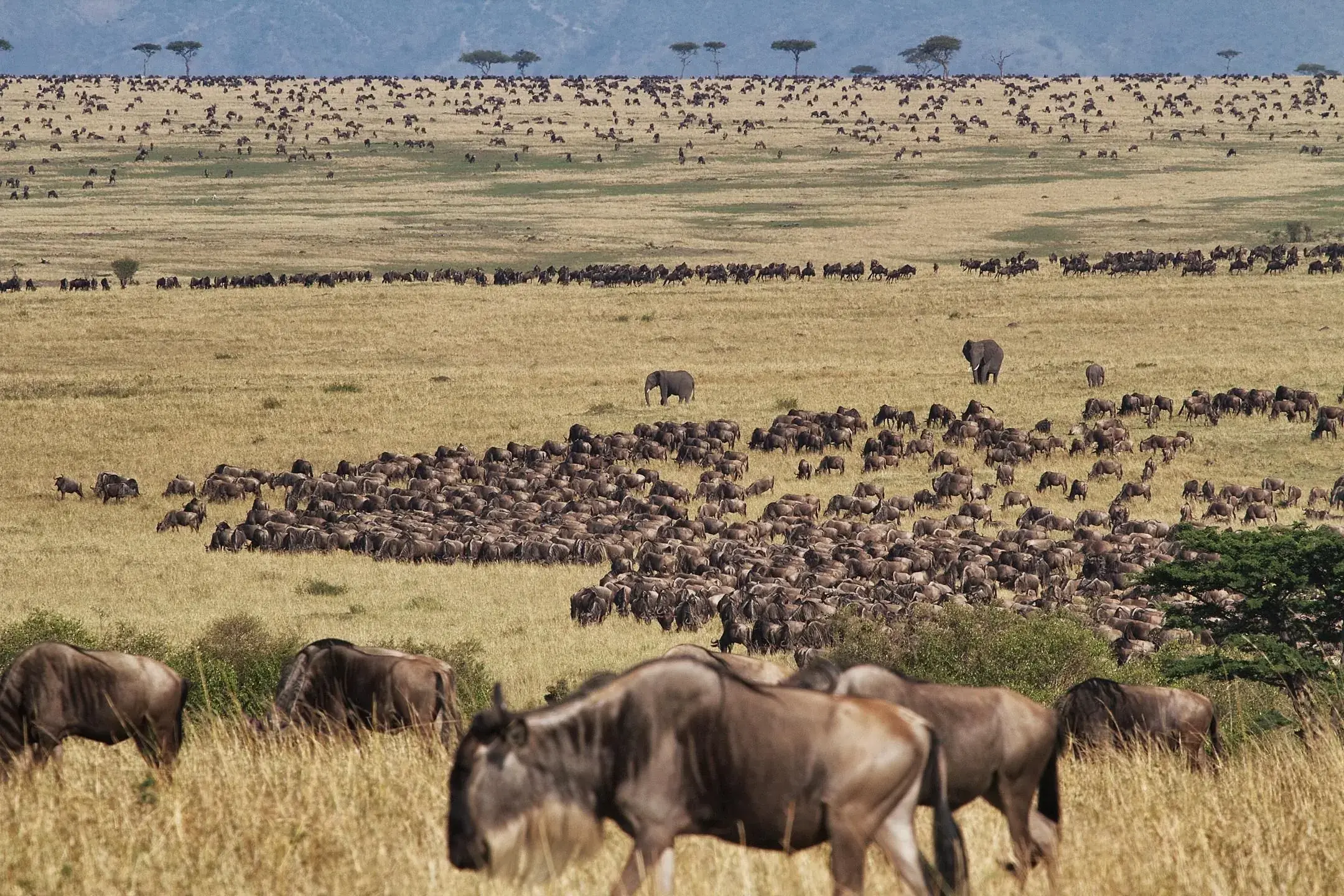 Best time to visit TanzaniaWhen to visit Tanzania: the dry season (June–October) for the Serengeti river crossings, late January–February for calving, and the green season for value and solitude. Your Africa, beautifully told.
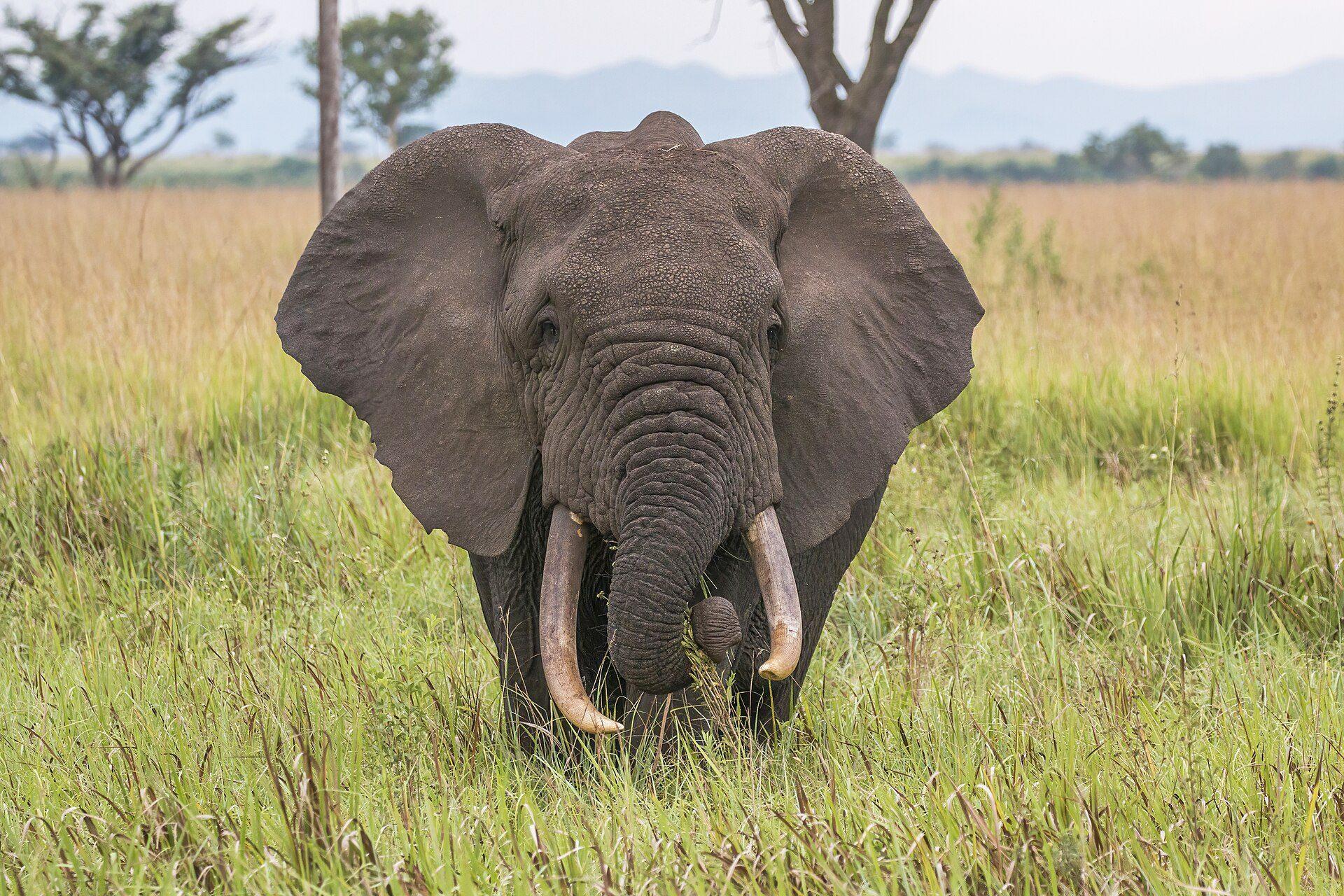 Best time to visit UgandaWhen to visit Uganda: the dry seasons (June–September and December–February) for gorilla and chimp trekking, and the green, quieter wet months. Trekking runs year-round. Your Africa, beautifully told.
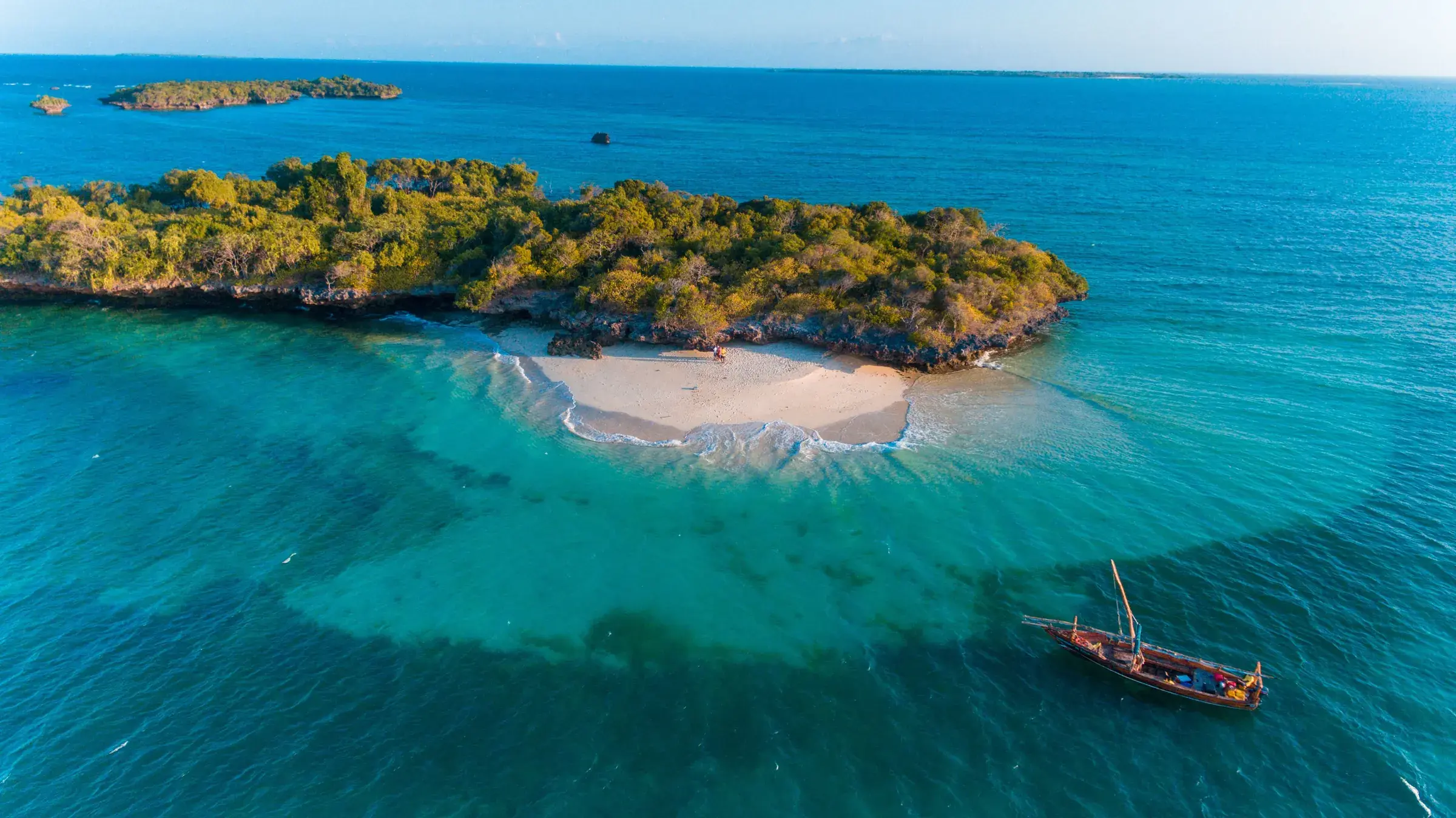 Best time to visit ZanzibarWhen to visit Zanzibar: the dry, sunny months of June–October and December–February for beach days, and the green, quieter long rains of March–May. Your Africa, beautifully told.