
Experience
Gorilla trekking
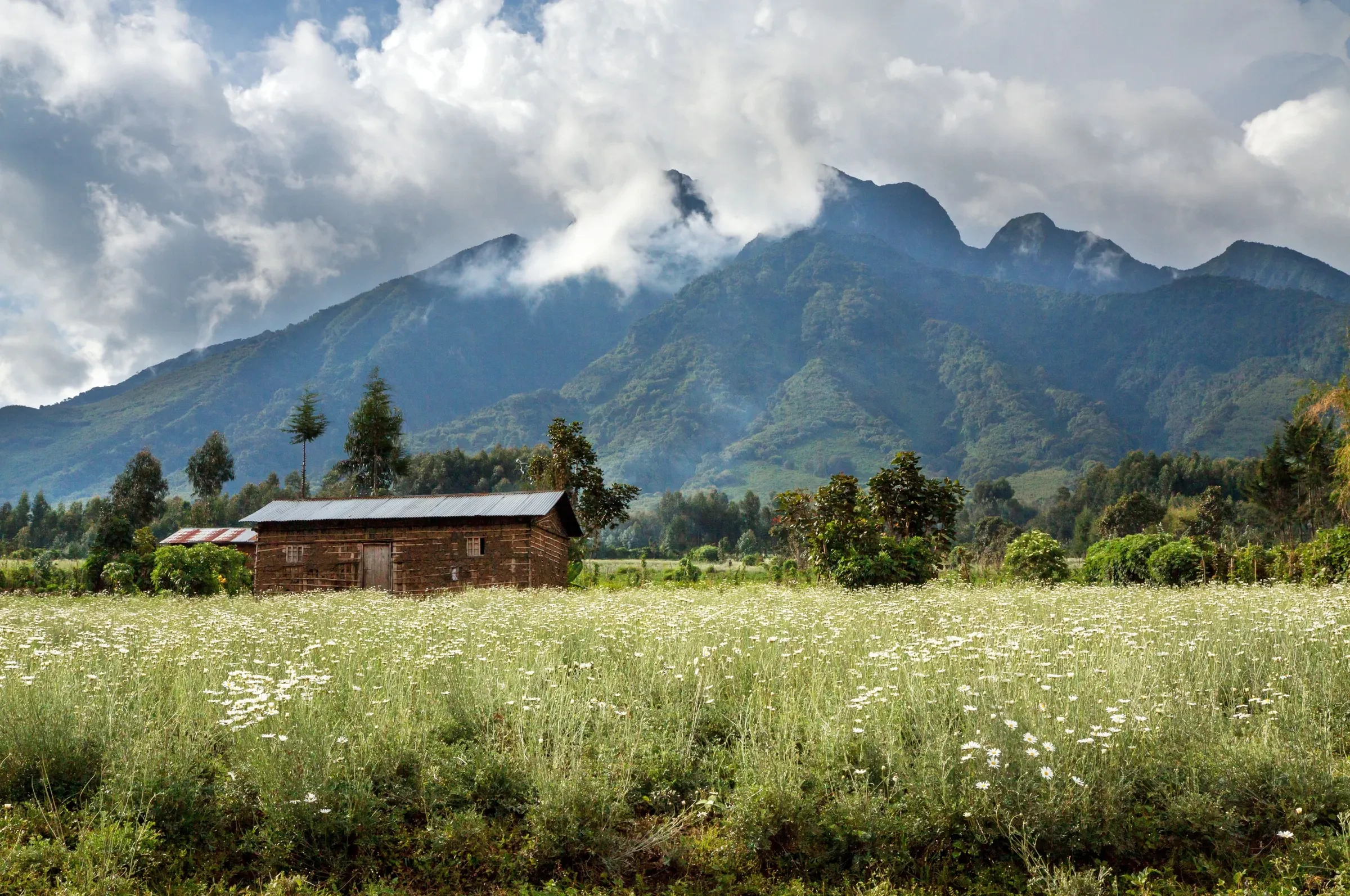
Gorilla trekking is a guided trek through montane rainforest to spend a permitted hour with a habituated mountain-gorilla family. The two homes are Uganda's Bwindi Impenetrable Forest and Rwanda's Volcanoes National Park; trekking runs year-round, with the drier months giving firmer trails. Permits are required and limited daily.
Intro
Some hours stay with you for life. An hour with a mountain gorilla family — the stillness, the closeness, the intelligence in the eyes — is one of them. The trek to reach them, up through tangled, dripping forest, is part of why it moves people so deeply.
The encounter is intimate because it is limited. You are not watching from a platform or a vehicle; you are standing quietly in forest with trackers, guides and a family of wild great apes that has allowed humans into its edge of the world for one carefully managed hour. The restraint is what protects the magic.
The detail
You set out after a morning briefing with trackers and an armed guide, walking until you reach the family your permit is assigned to. The terrain is steep and often muddy; reaching them can take under an hour or most of a morning. Then the clocks stop for sixty minutes in their company. Uganda (Bwindi) has more families and is often better value; Rwanda (Volcanoes) offers quicker trailhead access. Porters are available, and we match the sector and lodge to your fitness and pace.
The day begins early, and the details matter before you even reach the trailhead. Which sector are you trekking from? How far is the lodge? How comfortable are you on steep, wet paths? Would a porter make the day easier and more dignified? These choices shape whether the trek feels overwhelming or profound.
Uganda and Rwanda both offer exceptional encounters, but they suit different journeys. Rwanda is the smoother short trip, with Volcanoes National Park close to Kigali. Uganda asks for more travel time, but Bwindi can sit inside a richer forest-and-savannah route with chimpanzees, lakes and classic wildlife.
The trek is only one day, but it shapes the whole itinerary. We prefer to give it breathing room: arrive early enough to settle, avoid heavy transfers the night before, and leave space afterward for rest, reflection or a gentler next chapter.
Key facts
Where: Bwindi (Uganda) · Volcanoes (Rwanda). Permit: required, limited daily — Rwanda $1,500; Uganda $800 (low season $600). Time with gorillas: 1 hour. Best: dry seasons (Jun–Sep, Dec–Feb). Suits: reasonably fit travellers; porters available. Design rule: permit, sector and lodge come first.
Why Nobu for this
Permits sell out and sectors matter. We secure permits well ahead, place you for an early start, and weave the trek into a wider journey — gorillas paired with chimps, savannah or Rwanda's lakes. We also protect the emotional weight of the day by avoiding rushed transfers before and after it.
A gorilla trek should not feel like an item squeezed between flights. It should have a calm arrival, a clear briefing, the right kit, enough rest and time afterward to let the encounter settle.
Suitability — "right for you if…"
You want the single most moving wildlife encounter in Africa and can manage a few hours on steep forest trails. We can arrange porters and gentler sectors, or advise → accessible alternatives.
It is right for travellers who value depth over quantity. It is less right if you need guaranteed easy walking, dislike mud, or prefer wide-open savannah to enclosed forest. Even then, Rwanda may make the experience more manageable than expected.
Related Nobu journeys
- Gorillas in the Mist — the classic trek, planned end to end. → Explore
- Thousand Hills Circuit — gorillas, the Big Five and rainforest chimps in one loop. → Explore
- Forest and Savannah Passage — Uganda's primates and open-country wildlife. → Explore
Common questions
- How much is a gorilla trekking permit?
- Rwanda is $1,500 per person; Uganda is $800 (and $600 in the low-season months). Permits are limited daily and we secure them well ahead.
- Is Uganda or Rwanda better for gorilla trekking?
- Both are excellent: Uganda has more families and is often better value; Rwanda offers quicker access from Kigali. See our [Uganda vs Rwanda](/guides/uganda-vs-rwanda-gorilla-trekking) comparison.
- How fit do I need to be?
- Reasonably fit — treks range from one to several hours over steep, muddy ground. Porters are available to help.
- When is the best time to go gorilla trekking?
- Year-round, but the drier months (June–September, December–February) make the trails easier. See → [Best time for gorilla trekking](/guides/best-time-for-gorilla-trekking).
- How far ahead should permits be secured?
- As early as possible once dates are serious, especially for dry-season and festive travel.
- Should I hire a porter?
- Often, yes. Porters help with footing and bags, support local livelihoods, and make the day calmer for many travellers.
- Can gorilla trekking be private?
- The trek itself follows park allocation and group rules; the surrounding journey, lodge, transfers and pacing can be made highly private.
More ways to travel
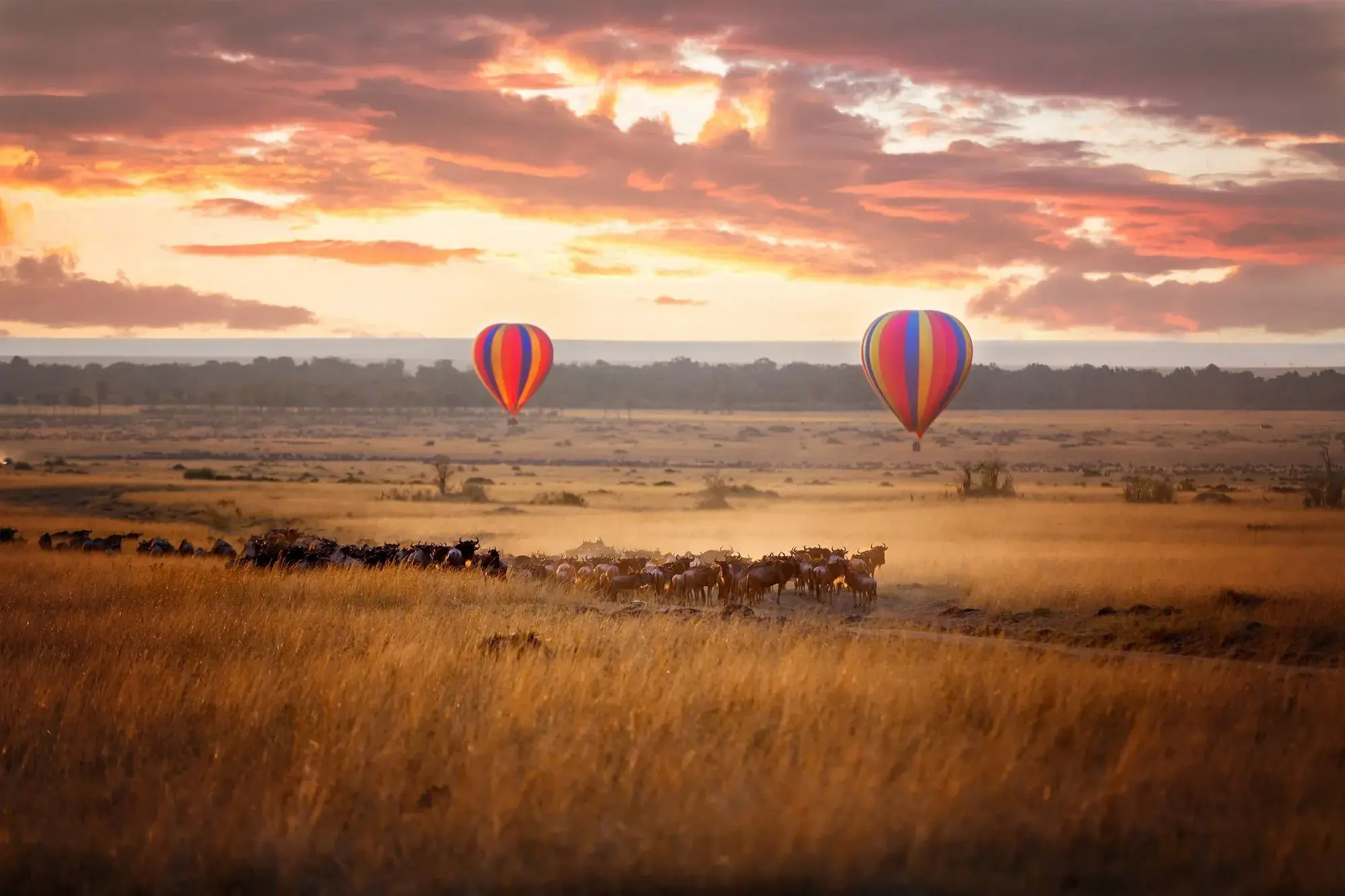 Hot-air balloon safarisDrift over the plains at first light on a hot-air balloon safari, then land to a bush breakfast — a Maasai Mara and Serengeti signature. Your Africa, beautifully told.
- Night game drivesA night game drive reveals the after-dark shift — leopard, aardvark, bushbabies and hunting cats — in the private conservancies where night driving is allowed. Your Africa, beautifully told.
- Photographic safarisA photographic safari designed around the light and the sighting — specialist vehicles, low angles, hides and guides who know where to be at dawn. Your Africa, beautifully told.