The kit check
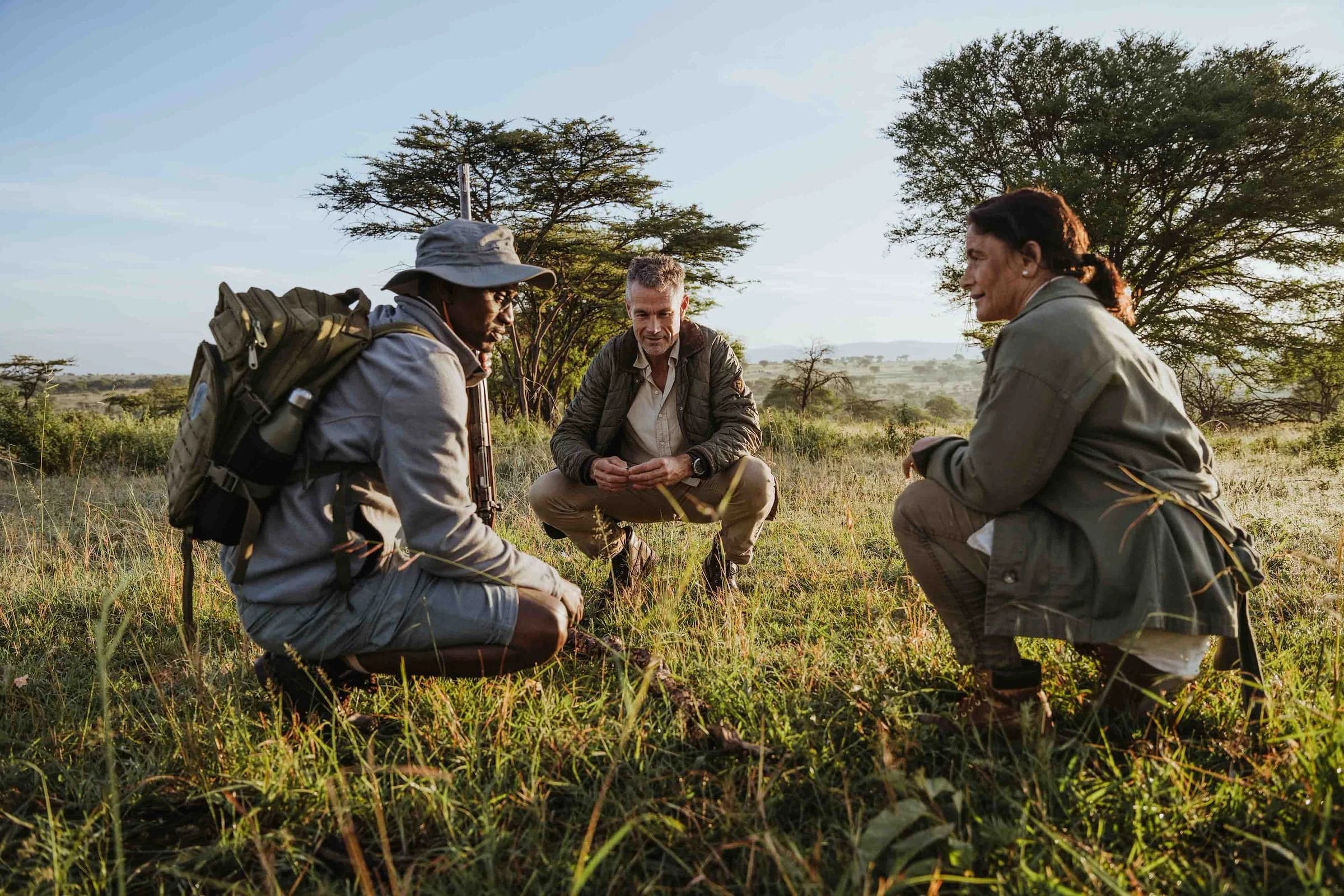
Lay out every layer with the climbing team before the trail begins.
Climb & coast / Tanzania
A seven- or eight-day climb for fit, patient walkers, then one quiet island base.
The journey
The journey starts quietly in Moshi: equipment laid out, questions answered and an early night before the trail. Forest gives way to moorland, high desert and a slow summit attempt in darkness.
After the descent, a night in Moshi breaks the journey before the flight east. On Zanzibar the packing stops: one town or one coast, sea air and days without a programme.
Choose this if consecutive walking days, camping, cold nights and altitude uncertainty appeal. We climb with a licensed Kilimanjaro operator we’ve worked with. Before booking, agree the exact route, daily ascent profile, crew arrangements and evacuation plan; more days allow time but cannot guarantee acclimatisation.
Mountain first, sea second: an unhurried climb, then island days arranged entirely on your terms.
Moments along the way
Lay out every layer with the climbing team before the trail begins.
 02
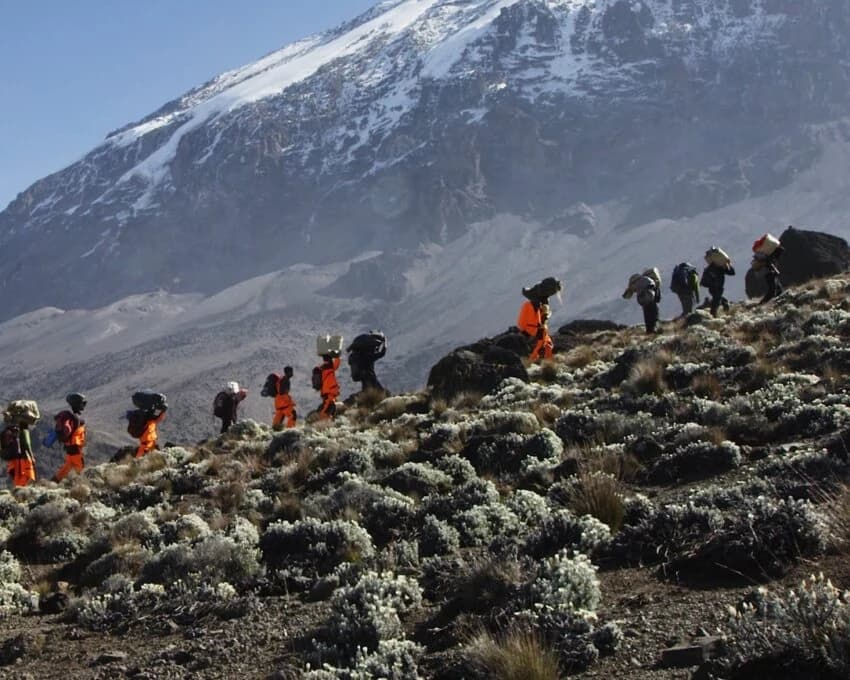
02Move above the trees as giant heather and open slopes replace the canopy.
Keep to marked trails, follow the crew’s pace and carry litter back down.
 04
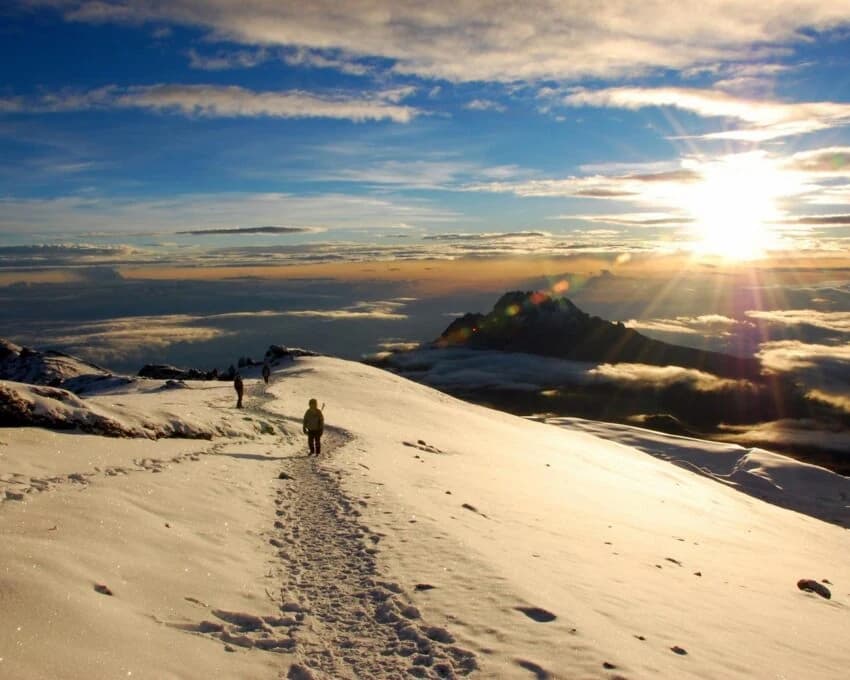
04Start in darkness, listening to breath and boots while the air thins.
Lose height after the high point, then sleep lower before leaving the park.
Unpack once on Zanzibar and let recovery decide the shape of each day.
Where you’ll stay
The mountain uses a crew-supported camping route, while town and island stays range from Essential to Private Collection. The halves need not match: choose practical rest in Moshi, then put more comfort into the coast if recovery matters most.
MOSHI
Where you might stay
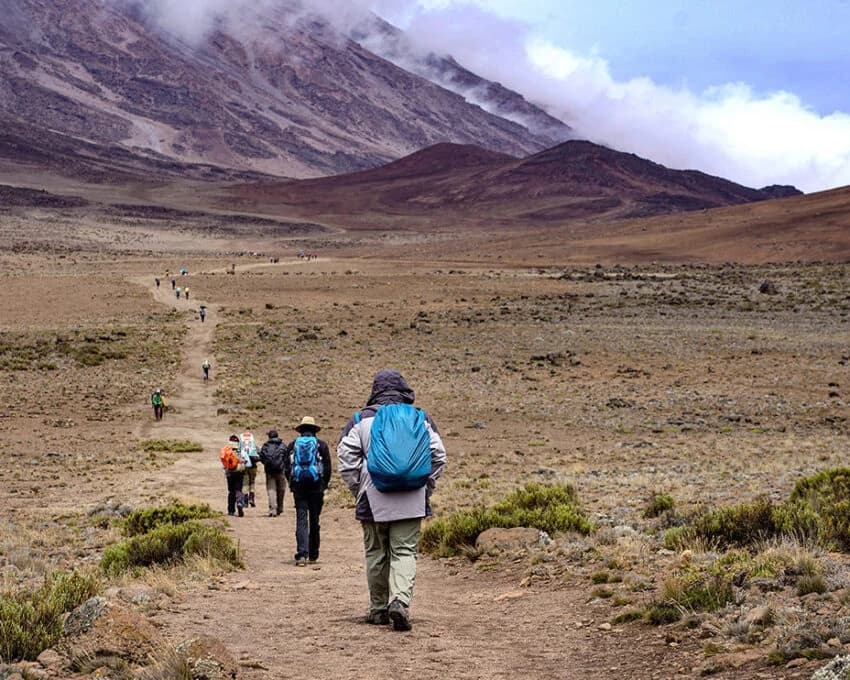
KILIMANJARO
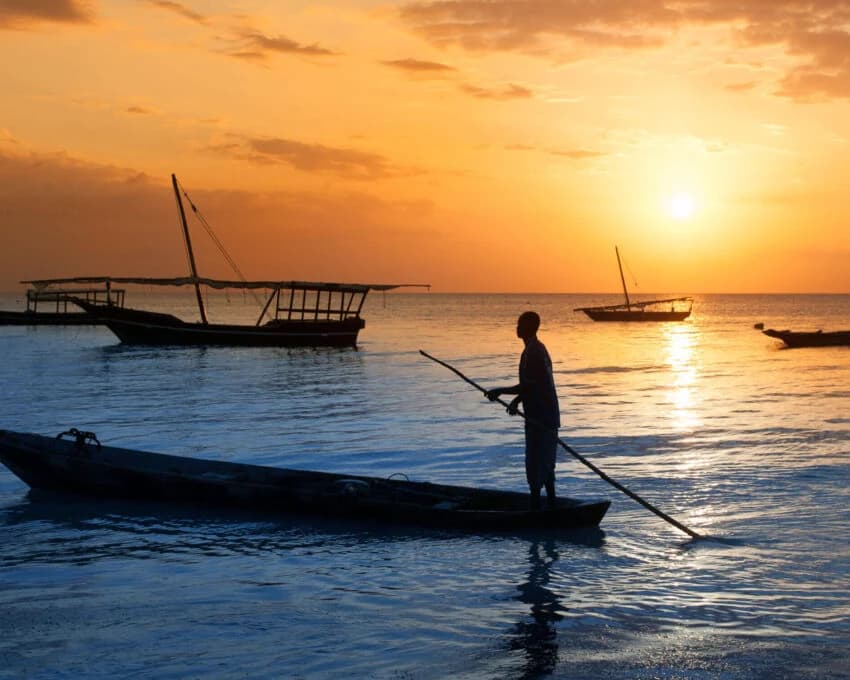
ZANZIBAR
Where you might stay
Your planner confirms each stay for your dates.
Add to your journey
Select an idea to carry into your brief. Nothing is added to a booking or priced automatically.
A route with room to breathe
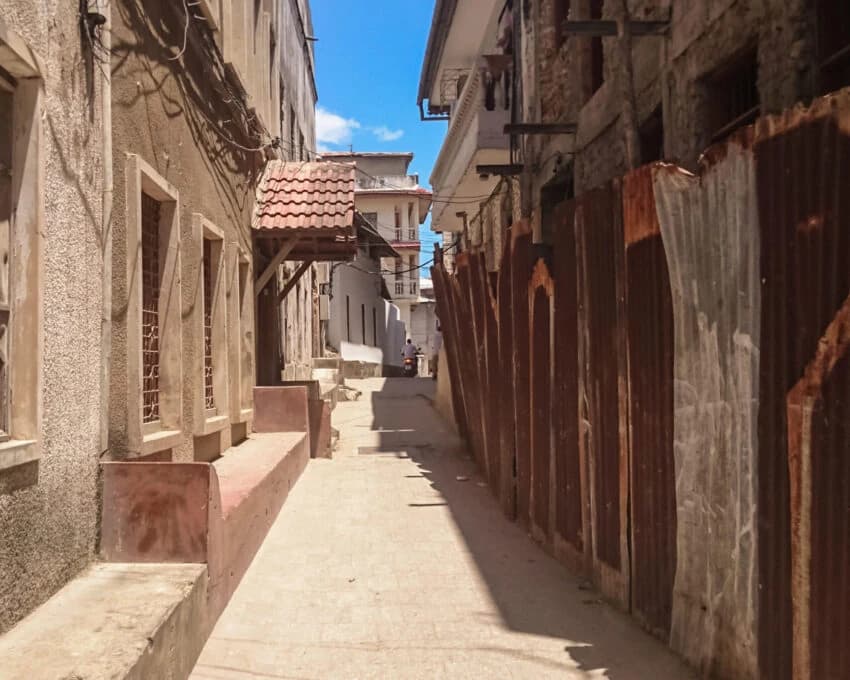
Kilimanjaro Airport → Moshi → climb → Moshi → Zanzibar. Road and flight transfers frame the journey. The summit marker locates the mountain; walking trails are not plotted here.
A sense of the days
Rest in Moshi, meet the licensed partner’s team and review personal kit, route and altitude procedures.
Move from forest to moorland and high desert, sleeping under canvas; ask how the partner checks porters’ loads and pay.
Keep the longer programme, report symptoms promptly and do not climb higher while unwell. Follow guide and medical advice.
Leave camp in darkness for a cold, slow ascent; turning around is always an acceptable outcome.
Lose height, leave the park and sleep in Moshi before asking your body to manage another flight.
Fly to Zanzibar for five or six nights at one base, in Stone Town’s lanes or on a quiet coast.
Six or seven mountain nights, two in Moshi and five or six on Zanzibar make thirteen to fifteen nights in total.
Clear from the beginning
Every journey is quoted in full, with no surprises.
Good to know
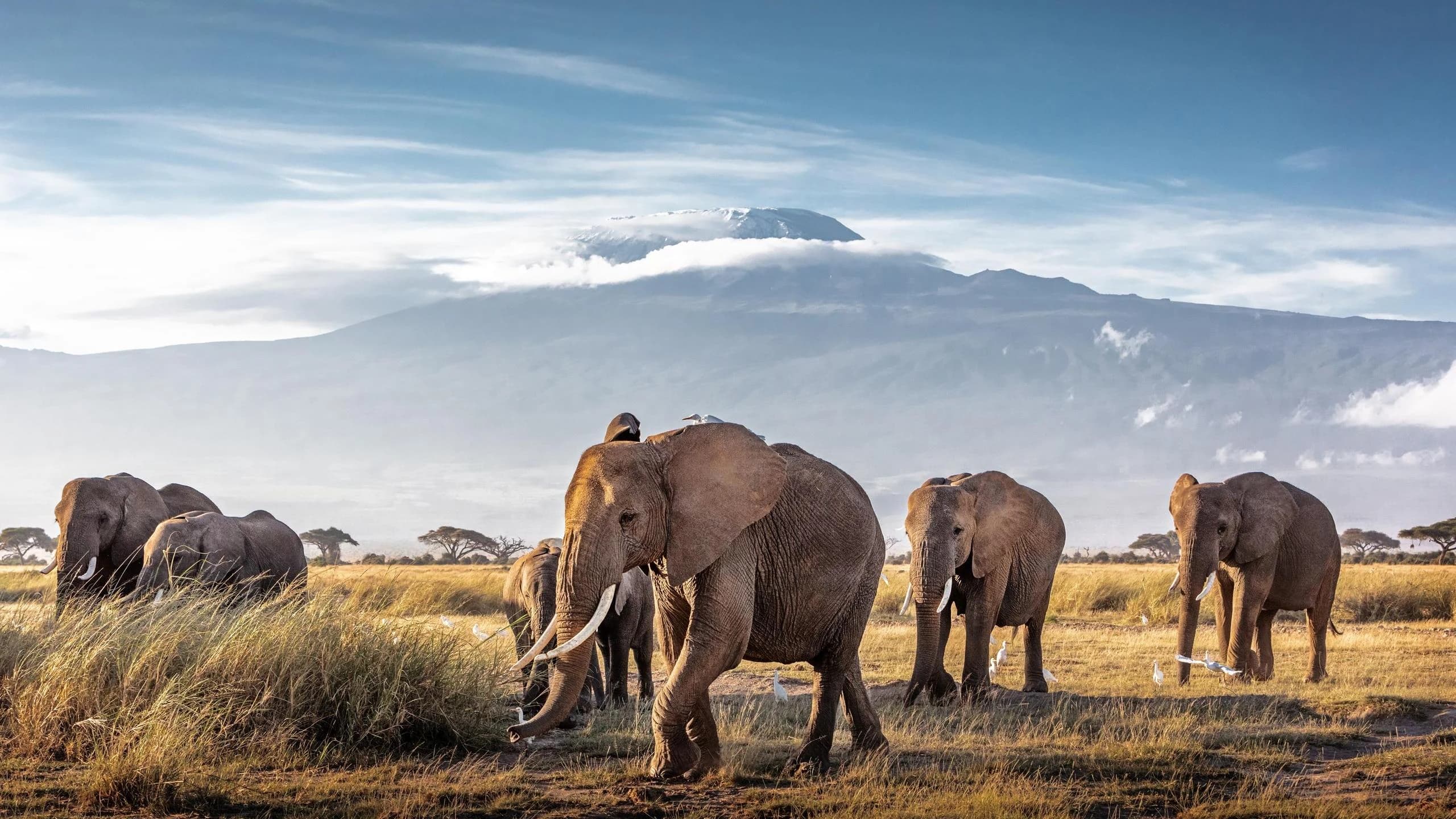
Kilimanjaro rises to 5,895 m. This Kilimanjaro climb and Zanzibar journey gives the mountain seven or eight days: seven commonly means the Machame route, eight the longer Lemosho approach from the west. Agree the route and ascent profile with the licensed partner before booking. Confirm crew-carried kit, daypack needs, island-bag storage and the flight allowance. Park charges include conservation, camping and rescue categories, but a rescue fee is not insurance. Landing on the mainland first, you buy Tanzania’s inbound insurance from its National Insurance Corporation, alongside personal trekking cover.
The island gives the body a quiet second chapter after consecutive walking days and the long descent. The sequence also keeps the demanding part first. It only works when the mountain retains seven or eight days rather than losing acclimatisation time.
No. The mountain crosses vegetation zones and Zanzibar offers optional nature outings, but this itinerary is a climb followed by one island base. Add a separate safari only if you have enough nights and energy; no wildlife encounter is promised.
January and February, then June to October, are common climbing windows and generally drier on Zanzibar. Mountain weather still changes quickly. November and December can bring short rains; choose using current park conditions and forecasts rather than assuming an entire month is dry.
Allow thirteen to fifteen nights: six or seven on the mountain, one before and one after in Moshi, then five or six on Zanzibar. Travel days are part of the total, and shortening the climb is not the answer.
No. Weather, pace, illness and altitude can end an attempt, and descending or turning around may be necessary. Ask how the team checks symptoms and arranges evacuation. The journey makes no success-rate promise; the island stay does not depend on reaching Uhuru Peak.
Choose Shores of Zanzibar if consecutive walking days, camping, cold nights or altitude uncertainty do not appeal. Operators commonly set a minimum climbing age of 10, often higher. Anyone with health concerns should seek clinical advice first, and insurance must cover the height and planned activity.
Government advice, checked October 2026. The US rates all of Tanzania, Zanzibar included, Level 3, Reconsider Travel (31 October 2025), for unrest, crime, terrorism and the targeting of gay and lesbian people. The UK advises against all but essential travel only within 20 km of the border with Mozambique’s Cabo Delgado province; that warning does not name Kilimanjaro, Moshi or Zanzibar. The UK Air Safety List names Tanzania-certified airlines, which are banned from commercial services to, from and within the UK. Read both before deciding.
Altitude illness can affect any climber. Do not go higher with symptoms; serious breathlessness at rest, confusion, poor balance or a frothy or bloody cough require urgent help and descent. Check that insurance covers trekking to 5,895 m and emergency evacuation. Malaria risk is high across Tanzania below 1,800 m, Zanzibar included; ask a clinic about Moshi and the island. This is general information, not medical advice — consult a travel clinic.
Read before you decide: Best time to visit Tanzania · Zanzibar health guidance · Zanzibar mandatory insurance
Last checked: October 2026.
When to go
These periods are broad planning guidance. Mountain conditions change quickly, so choose the month for the climb first and let the island follow.
Jul / Main dry season
June to October is a common climbing window and usually dry on Zanzibar, though short rains can begin in October. Nights at altitude stay cold, and wildfires can occur in hot, dry weather.
Broad seasonal guidance — not a forecast, availability calendar or migration promise. Picking a month sets it in your plan.Related journeys
A journey made around you
Tell us your dates and mountain experience, and we’ll shape Kilimanjaro & Zanzibar around you.