The access brief
Record chair, transfer, care, equipment and room requirements before selecting any stay.
Adapted safari & sea
Mara plains from an adapted vehicle, then a slower Zanzibar coast once its access suits you.
The journey
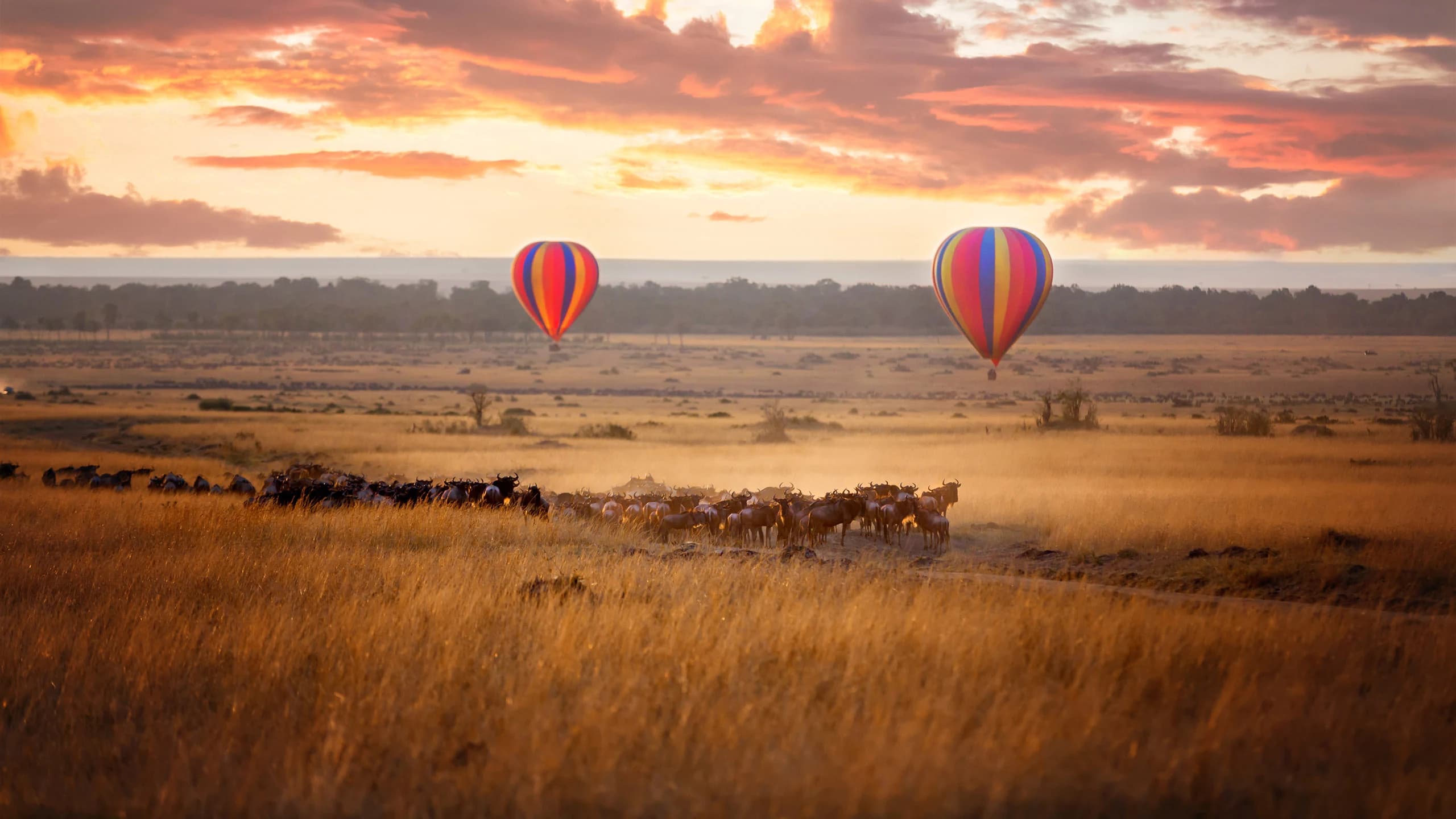
In the Mara, the days follow the light across the grass and whatever moves through it, seen from your adapted vehicle. Four nights leave three full days, with drives shaped around heat, comfort and rest.
The road returns to Nairobi for a night before flying to Zanzibar. There, sea air and a shaded terrace can make a slower ending. Sand, tides and resort paths mean the exact coastal base matters.
Choose this pairing if wildlife and coast both matter, and long road days plus an airline transfer work for you. Nobu has hosted wheelchair users in Kenya and on Zanzibar. The island needs its own room, vehicle and equipment checks; choose Kenya, Step-Free if the extra flight adds too much strain.
The reward is contrast: open plains from your vehicle, then a slower coast, each half agreed with you before you travel.
Moments along the way
Record chair, transfer, care, equipment and room requirements before selecting any stay.
Drives run to your comfort, pausing wherever the light or the animals hold you.
Rest at camp as the light fades and the plains cool after the drive.
Arrange the airline’s wheelchair service and reconfirm equipment handling before departure day.
Check surfaces, gradients and transfer points between airport, room and common areas.
Choose a view, terrace or beach approach only after its details are verified.
Where you’ll stay
Stays run from Essential to Private Collection on both halves, and the tier tells you nothing about doorways or showers. Nobu has checked accessible Kenya rooms itself. On Zanzibar, the exact property goes into your quote only once its room, bathroom and paths suit you.

NAIROBI
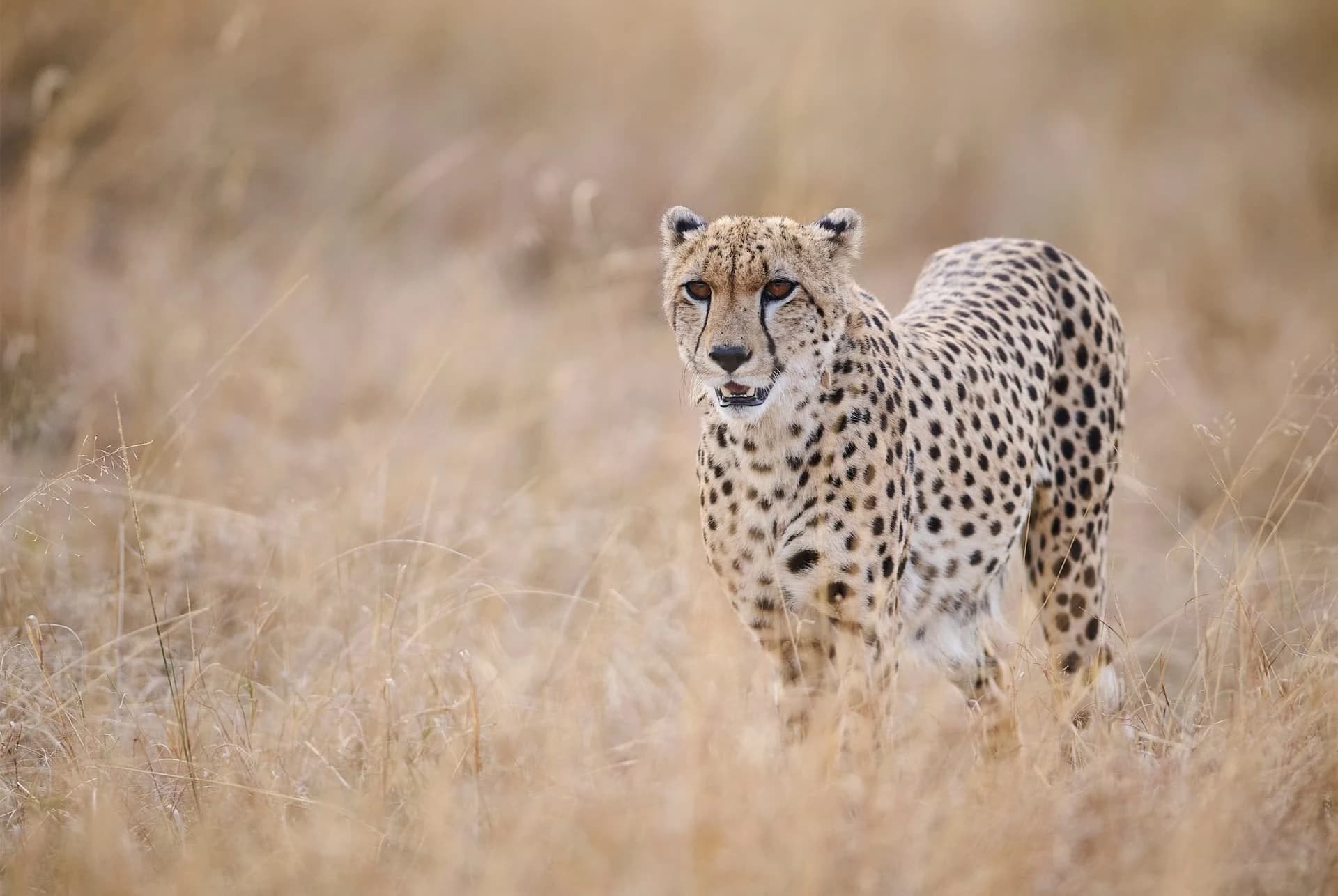
MAASAI MARA
ZANZIBAR
Add to your journey
Select an idea to carry into your brief. Nothing is added to a booking or priced automatically.
A route with room to breathe
Nairobi → Maasai Mara → Nairobi → Zanzibar. Kenya stays road based in one adapted vehicle; a scheduled flight reaches the island. Every flight and island transfer needs individual confirmation.
A sense of the days
After landing, the first hours go to settling in and a calm conversation with your trained guide or staff about how you transfer, what equipment travels and what help you want. You decide the exact help together. Your flight’s arrival time decides how much of the day is left, and a second night in Nairobi gives this a morning of its own.
Set off after breakfast for the first of two long drives. Keep your seatbelt on for the whole journey, and allow extra time for stops, because the last stretch before camp is rough. You usually reach camp in the afternoon. How often you stop decides whether there is energy left for a short first drive that day or simply time to settle in and rest.
The Mara days share one rhythm. Mornings begin early, in the cooler hours, with a drive in the adapted vehicle. Camp is for lunch and a long rest through the heat of midday. A shorter second drive follows later in the afternoon, and you are back by early evening. Some travellers choose one drive a day and keep the other half for rest.
Leave the Mara after breakfast; the drive back takes about as long as the way out, and the rough stretch comes first. Fasten your seatbelt again. You usually reach Nairobi in the afternoon, with the evening left for a meal and your own routines. The island flight’s departure time decides how early the next morning begins.
The airline’s wheelchair assistance is reserved ahead, and you reach the airport with extra time for check-in, security and boarding. Keep medication and anything you cannot do without in your cabin bag, because the airline may stow your chair in the hold. How boarding works is confirmed with the airline for you; an earlier flight simply means an earlier start.
On Zanzibar the days stay simple: a cooler morning outside, shade through the middle of the day and an evening left unplanned. On the east coast the water retreats far at low tide, so the tide table shapes when the sea is close. Three nights suit a rest; a fourth or fifth leaves room for one outing, once its boarding and surfaces are checked.
One or two Nairobi nights, four in the Mara, another Nairobi night and three to five on Zanzibar make nine to twelve nights.
Clear from the beginning
Every journey is quoted in full, with no surprises.
Good to know
The Mara–Nairobi drive takes roughly five to six-and-a-half hours before comfort stops, and the stretch nearest the Mara is rough, so the included Nairobi night keeps that day apart from the flight. Nobu’s adapted vehicle covers Kenya, and Nobu can arrange a ramp- or lift-equipped vehicle on Zanzibar; ask for it to be confirmed for your trip before you book. In either vehicle, confirm whether you ride in your wheelchair or transfer to a seat. Since 5 October 2026, Kenya’s eTA includes compulsory health insurance; entering Tanzania at Zanzibar also requires Zanzibar’s government insurance, even with your own policy.
It adds a slower coastal chapter after vehicle-based wildlife days. The value depends on a specific island stay working for you, so the flight, transfer, room and usable outdoor areas each need their own confirmation rather than treating Zanzibar as one access category.
Four Mara nights leave three full days for wildlife drives, with viewing from the adapted vehicle and room for rest. Give animals room: the reserve asks vehicles to keep 25 metres back. Zanzibar reef and boat outings are optional; each needs separate access and sea-condition checks.
June to September is often drier across both halves, while January and February can also work. Drier does not mean barrier-free: dust, heat, sand and tides remain. Current room and path details matter more than a seasonal label.
Plan nine to twelve nights: one or two on arrival in Nairobi, four in the Mara, one before the island flight and three to five on Zanzibar. Extra time protects transfers and avoids making assistance feel rushed.
Ask the operating carrier to confirm chair dimensions and weight, equipment handling, boarding method and assistance at both airports. A wheelchair service does not include all personal care. Establish any companion requirement and support for seat transfers or lavatory use before booking.
Choose the Kenya-only route if another flight, equipment handling or uncertainty around island surfaces adds more strain than value. It keeps one adapted vehicle at the centre and avoids a second country’s rooms, transfers and airline handover.
Government advice, checked October 2026. The US rates Kenya Level 2, Exercise Increased Caution (28 July 2026), and all of Tanzania, Zanzibar included, Level 3, Reconsider Travel (31 October 2025). The UK advises against travel only to named parts of Kenya outside this route and, in Tanzania, against all but essential travel within 20 km of the border with Mozambique’s Cabo Delgado province. Read both governments’ current pages before deciding.
A second country adds a flight, an island transfer and coastal heat, so plan pressure care, medication, fatigue and evacuation cover individually. Tanzania asks arrivals from Kenya for a yellow-fever certificate; if the vaccine may not suit you, ask early. This is general information, not medical advice — consult a travel clinic.
Read before you decide: Wheelchair-accessible safari guide · Wheelchair access on Zanzibar · Zanzibar mandatory insurance
Last checked: October 2026.
When to go
Choose dates for both road surfaces and island weather, then let the room and path details confirmed for your trip decide workable activities.
Jul / Main dry season
June to September is often drier in Kenya and Zanzibar. Parks and coastal stays can be busy, so exact accessible rooms need especially early confirmation.
Broad seasonal guidance — not a forecast, availability calendar or migration promise. Picking a month sets it in your plan.Related journeys
A journey made around you
Tell us what works by road, in the air and on the island; we’ll shape Kenya Step-Free & Zanzibar around it.