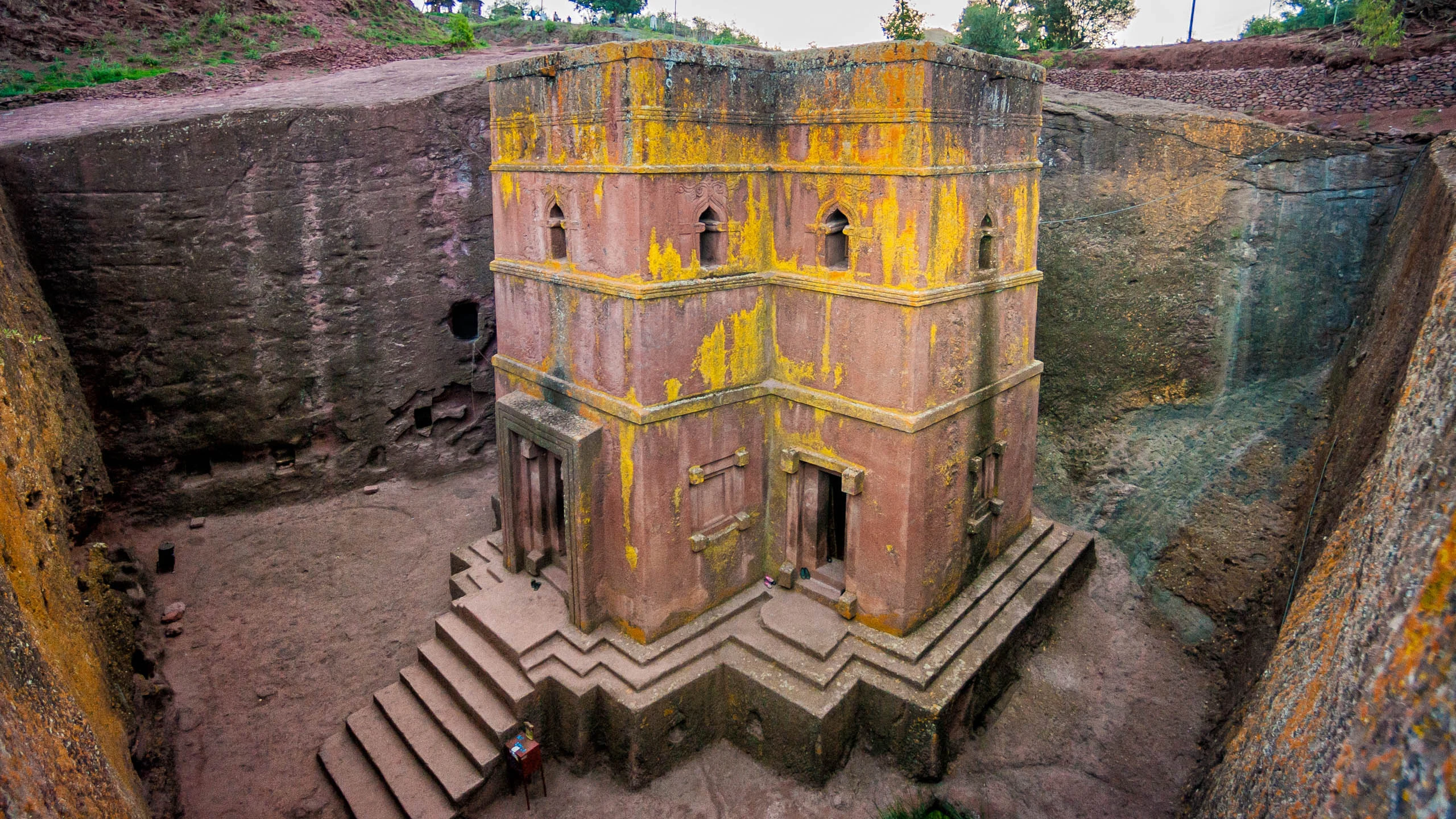
Nobu / Ethiopia
Turmi, Omo Valley.
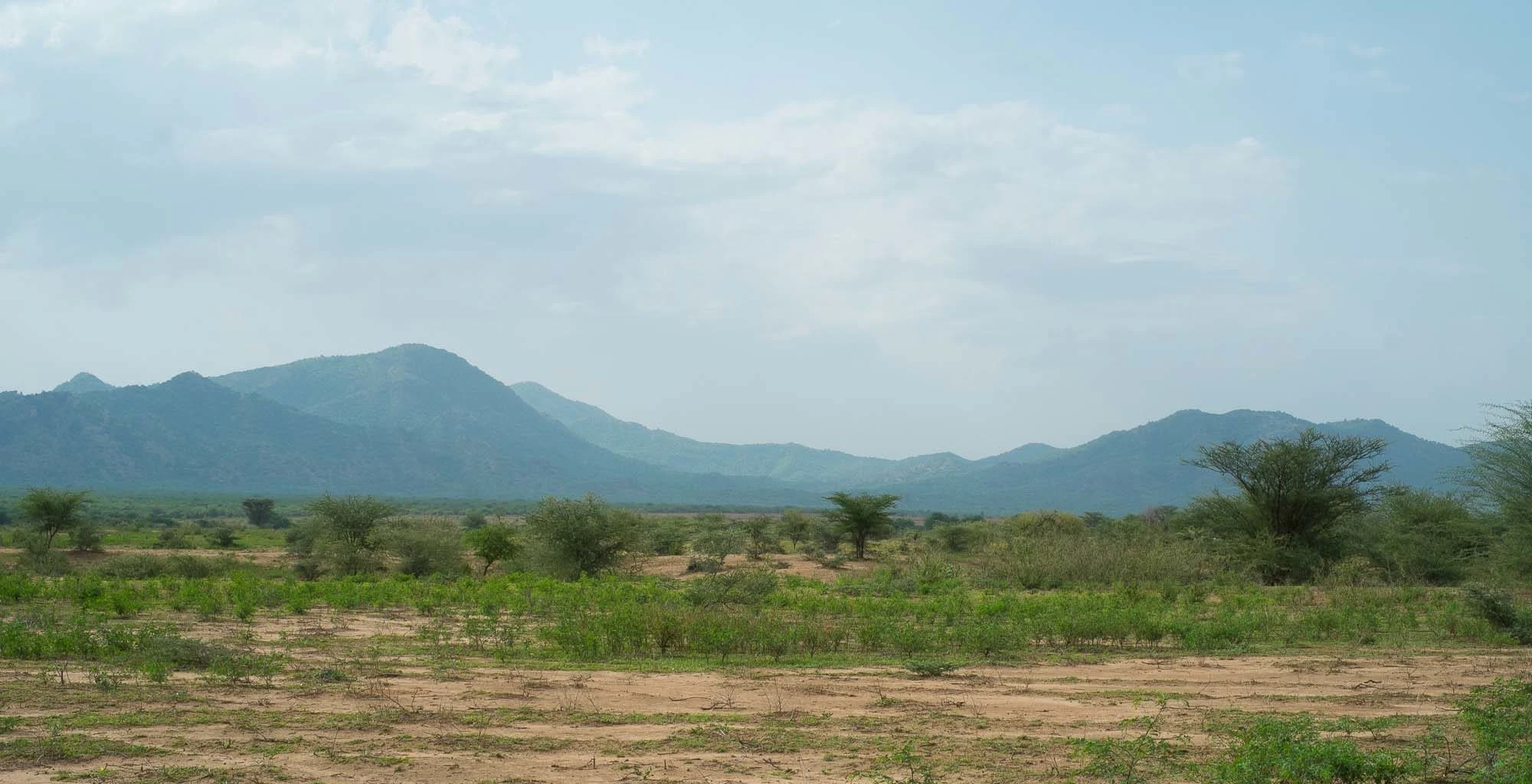
A river, a valley, and some of the oldest living cultures on earth — met eye to eye.
The Nobu perspective
Turmi, Omo Valley,
at your pace.
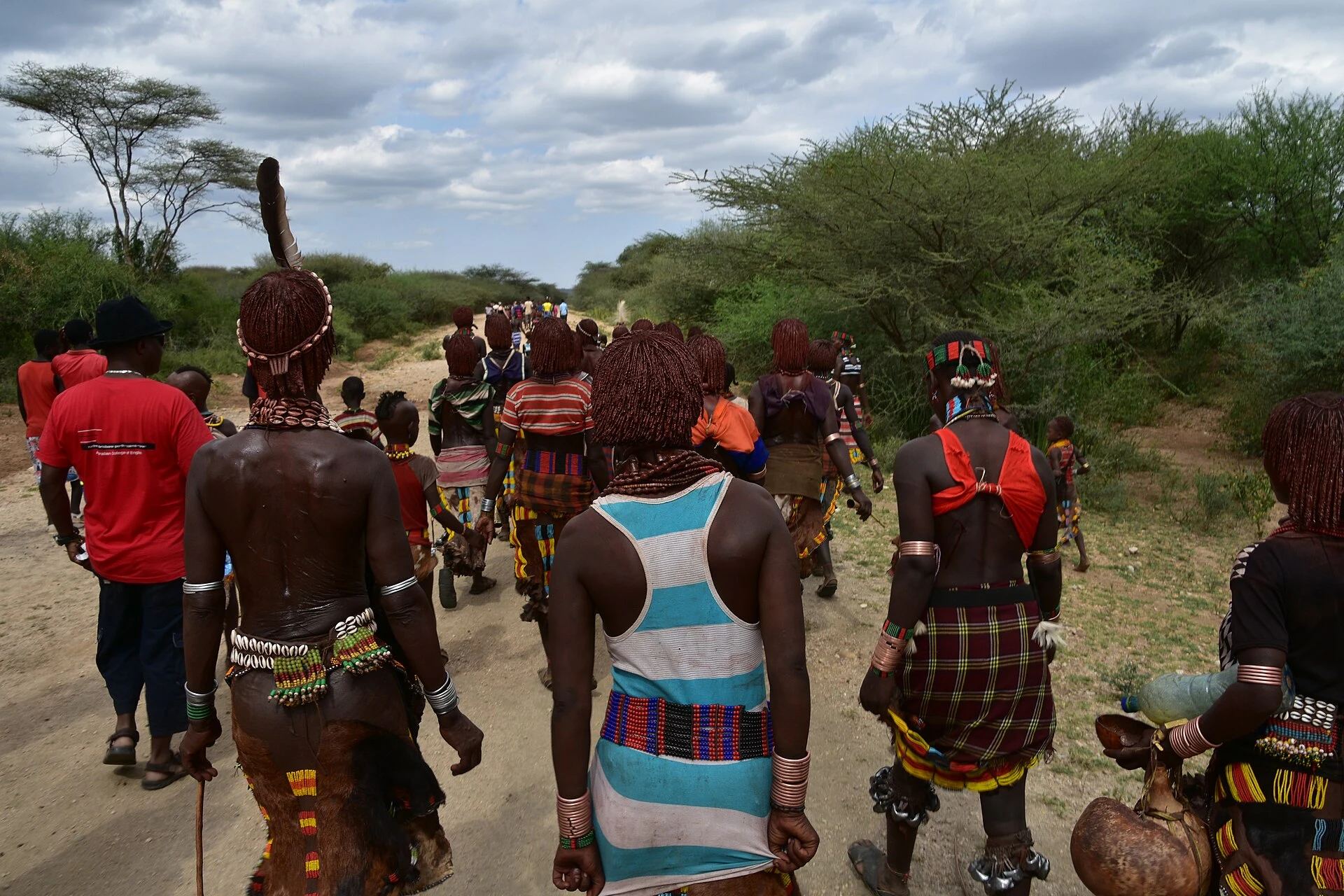
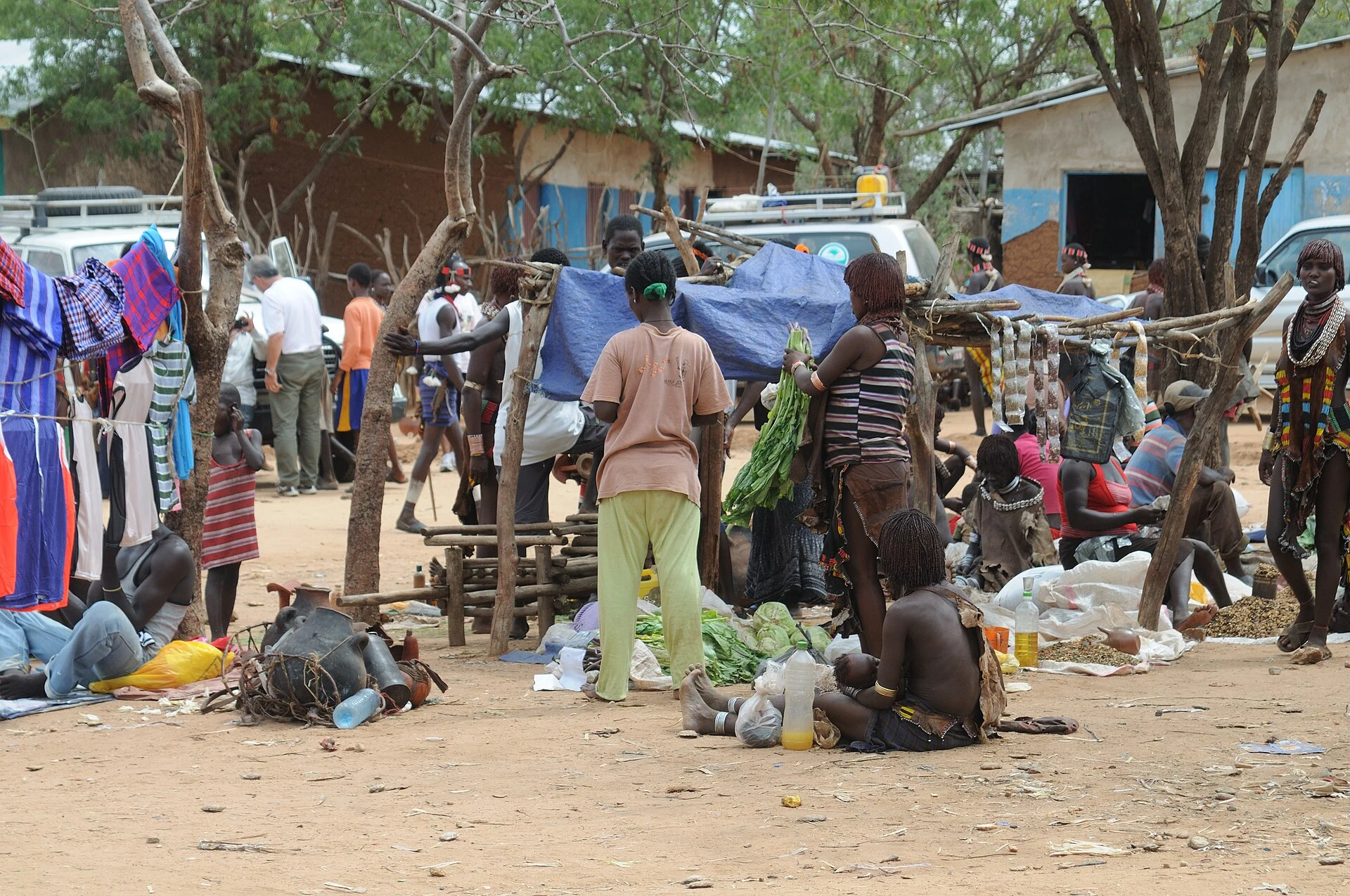
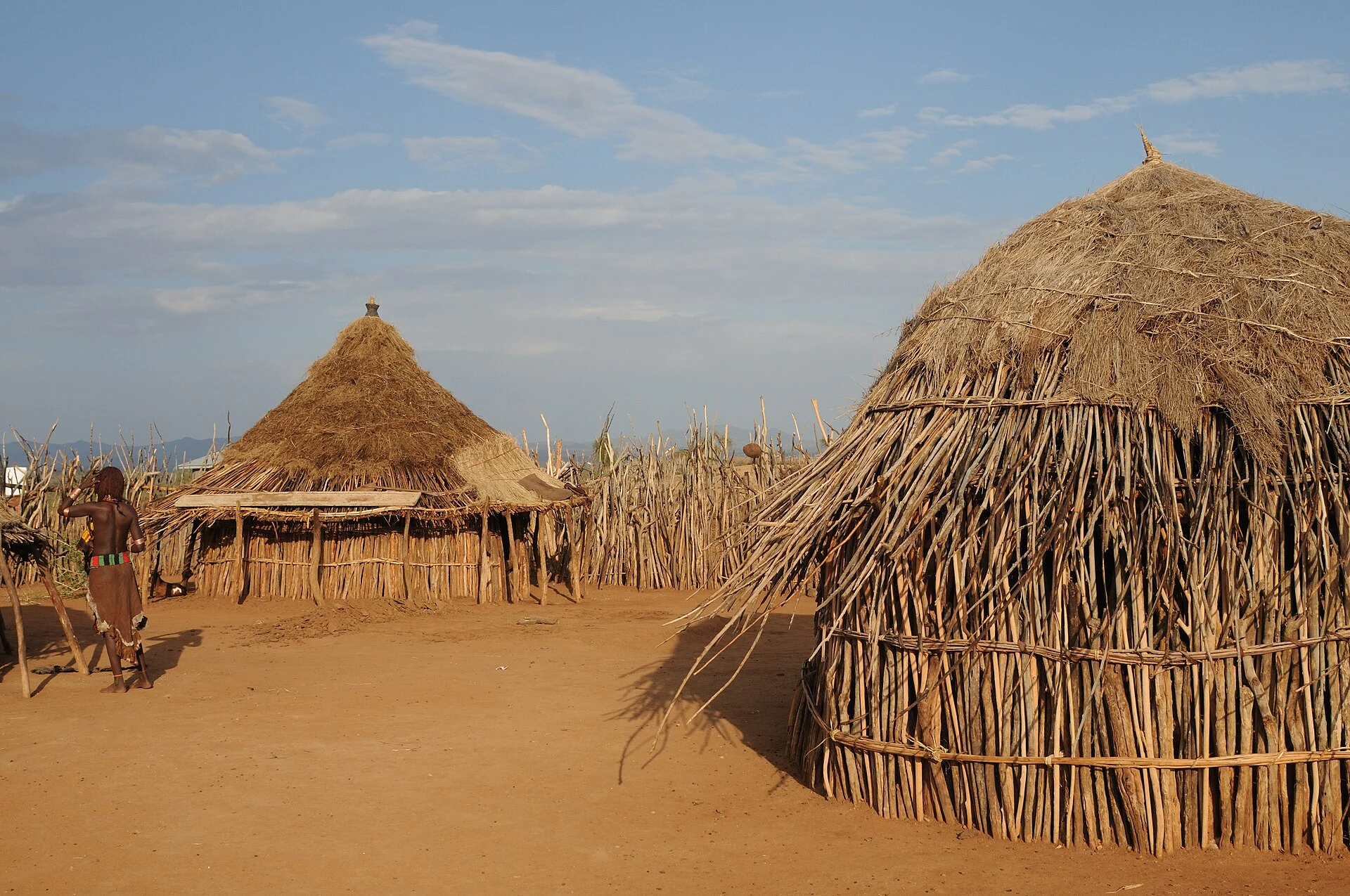
Turmi opens the Lower Omo Valley through remote river country, weekly markets and encounters with Hamar, Karo, Mursi and Dassanech communities. It is a cultural journey built around invitation, consent and local benefit, rather than conventional wildlife viewing or staged spectacle.
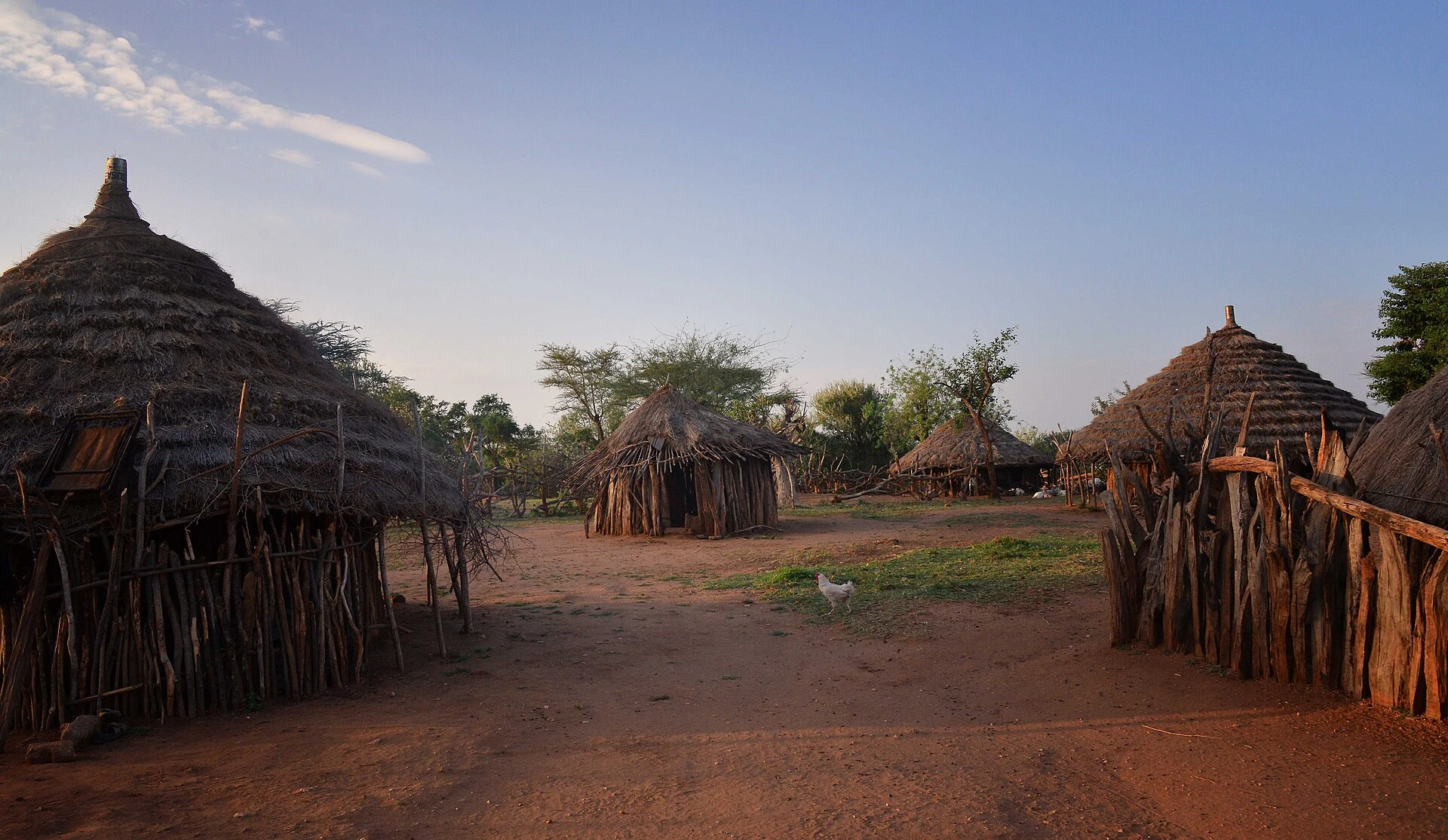
Southern Ethiopia gathers many distinct peoples along one river, each sustaining languages, ceremonies and ways of marking identity. Travelling between Turmi, Jinka and surrounding villages reveals a human landscape as varied as the valley itself.
Nobu arranges visits through trusted local relationships, with photography requested rather than assumed and ceremonies attended only by genuine invitation. Markets and village time are approached patiently, respectfully and without turning daily life into performance.
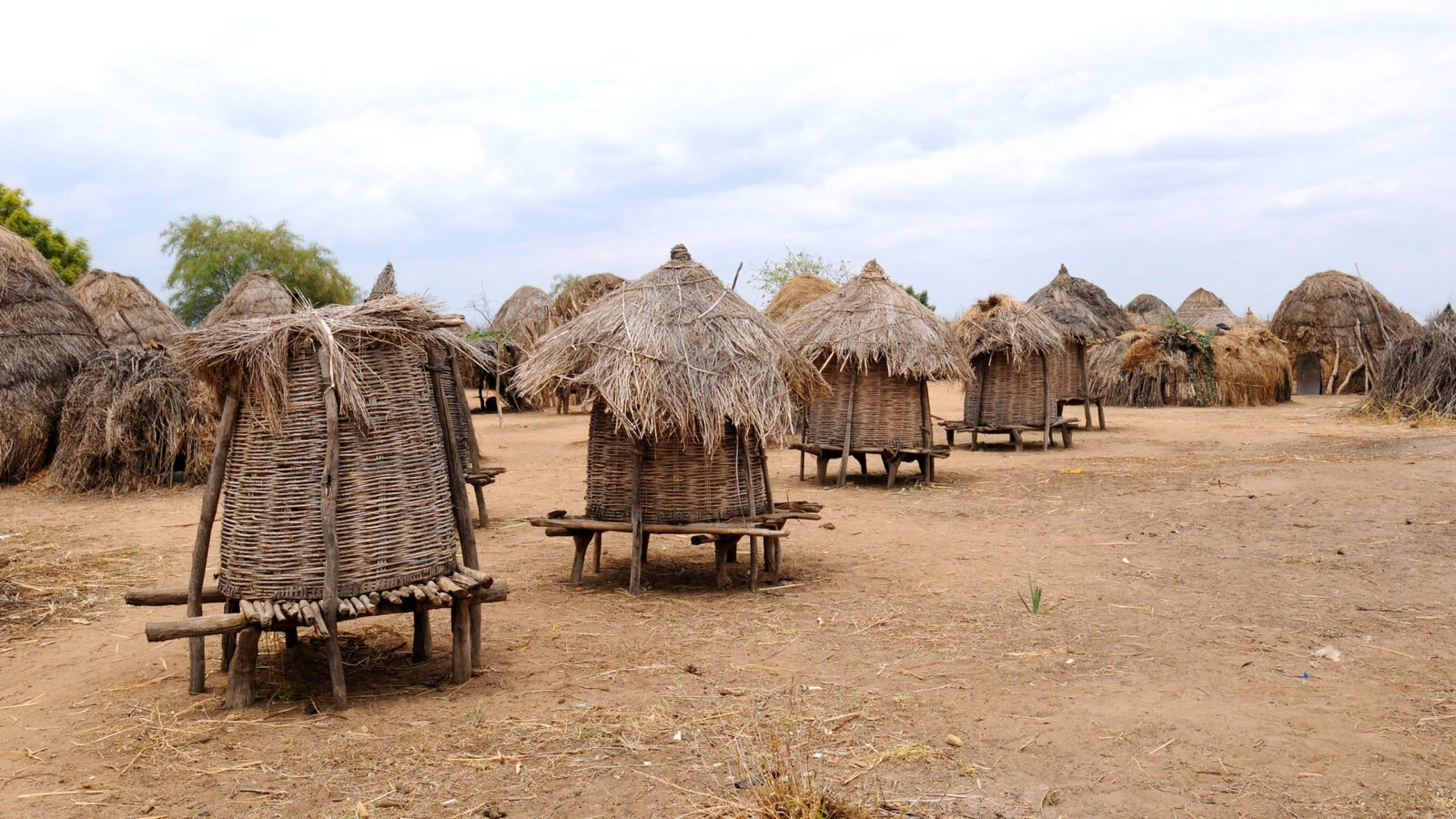
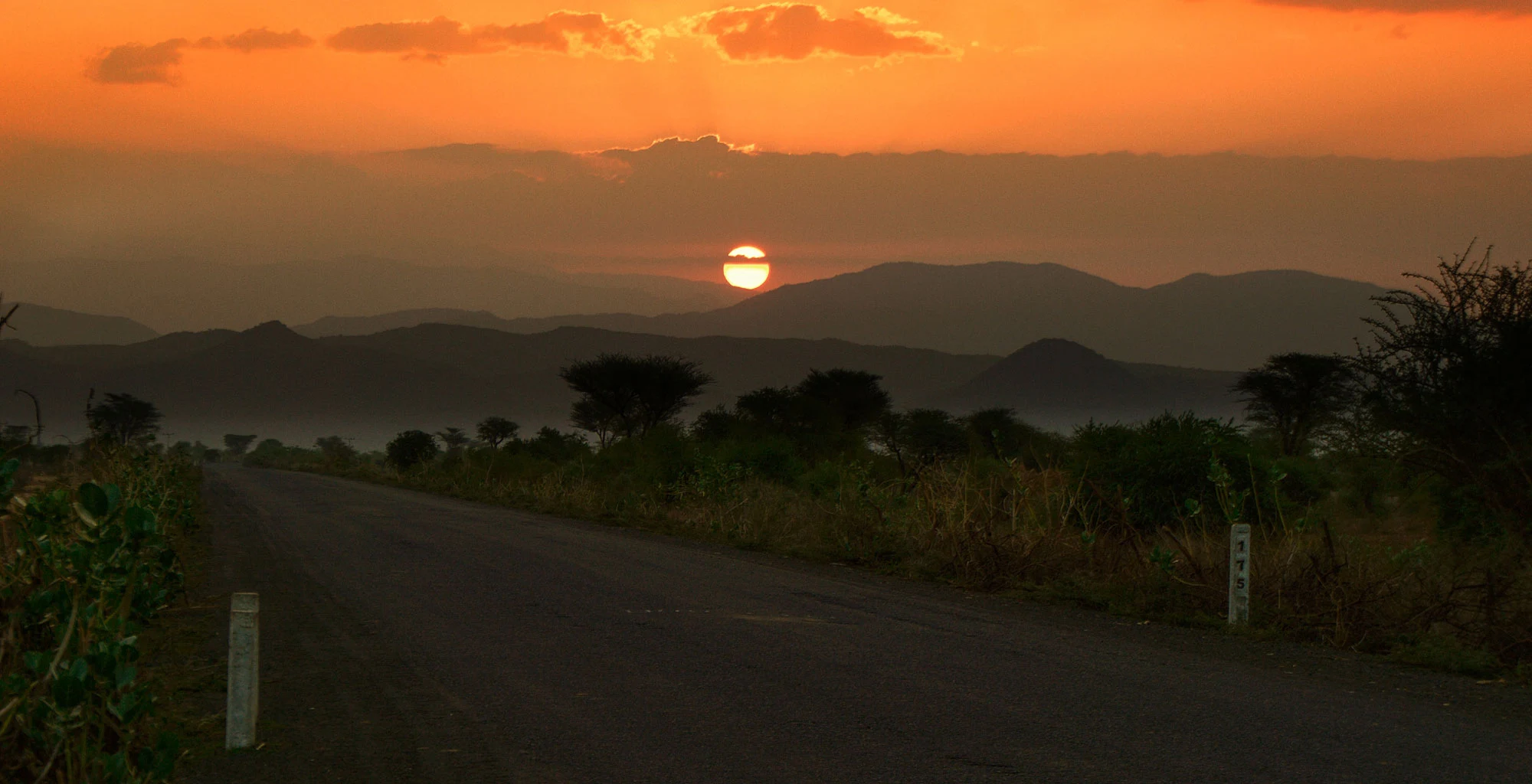
TURMI, OMO VALLEY
What to experience
Things to do here
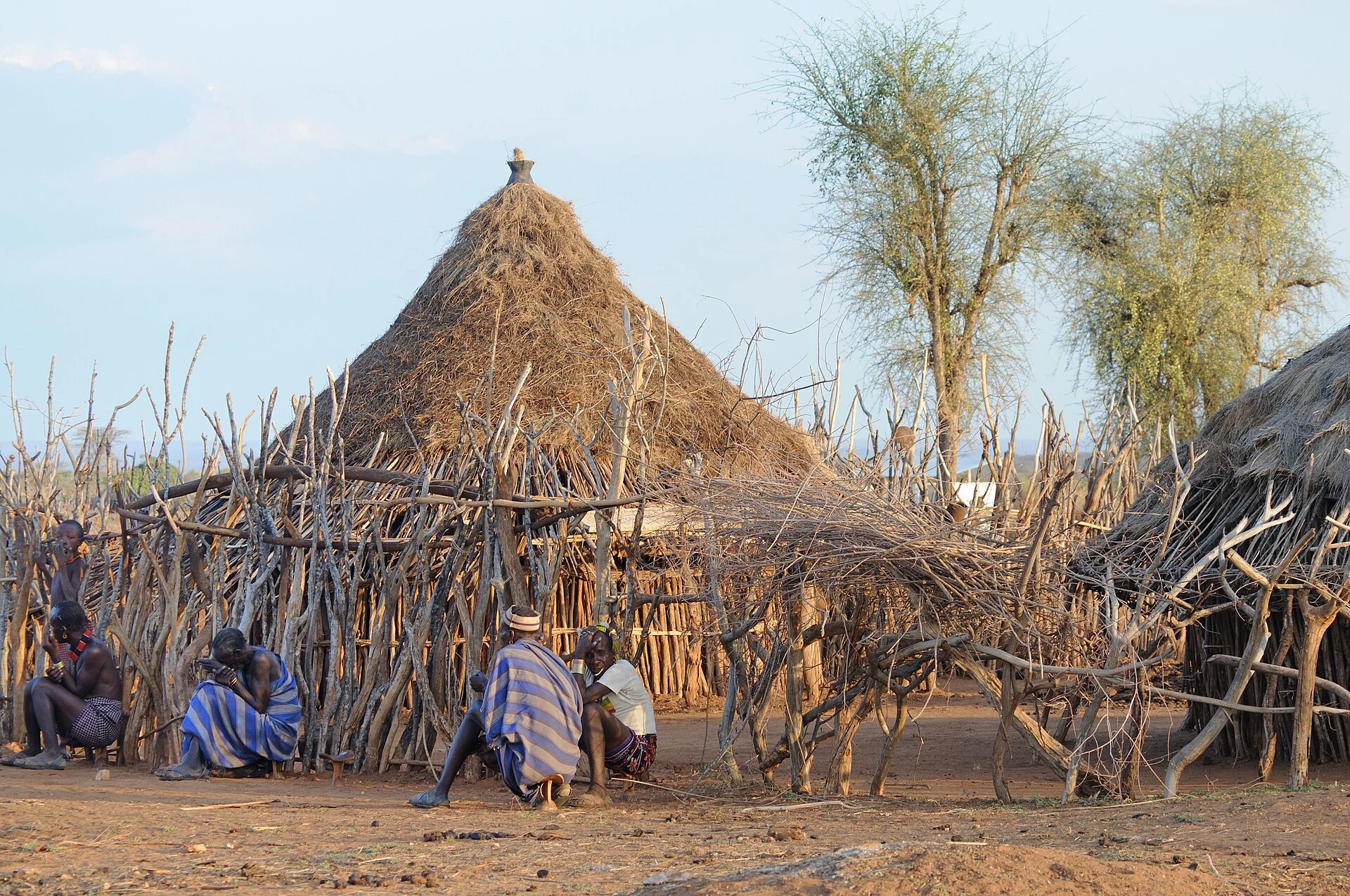
When to go
Best time to visit
Start with the season that suits the journey you want, then confirm conditions for your exact route.
A closer look at Turmi, Omo Valley
Jul / Individual planning
Your dates, your route
Start with your preferred month. Your designer will help match the season, chosen stays and connections to your route, interests and preferred pace.
October to March
The drier season
October to March is generally driest, with firmer tracks, simpler river crossings and more dependable access to remote communities. Ceremonies may occur during this period, but community calendars determine them and no event, wildlife movement or sighting can be guaranteed.
April to June
The long rains
April to June brings the long rains, when unpaved roads can become muddy and some areas difficult to reach; shorter wet spells may also affect travel. Cultural events follow community calendars, so access, invitations and ceremonies remain subject to current local conditions.
1 place to stay
Where to stay
Compare the selection by style.
1 stays · All stays
Turmi, Omo Valley / Ethiopia
Buska Lodge
lodge · garden
From USD 70per person per night · indicative
Discover the stay

Good to know
Know before you go
Getting there
Road and air connections depend on the wider route and current operations. Nobu confirms the suitable connection for your dates before approval.
Read moreFees and permissions
Park, conservancy, community, activity or permit rules may apply. Nobu confirms the operative permissions and current fees in the approved quote.
Read moreTime and pace
The right stay depends on season, interests and onward routing. Nobu will recommend a pace for the individual journey rather than promise a fixed transfer or duration.
Read moreGood questions. Straight answers.
Is visiting the Omo Valley ethical?
It can be, when handled with care. Nobu arranges every encounter through partners the communities trust, on a consent basis, with a fair contribution flowing to the community — never as staged spectacle. We brief you fully so the meeting is dignified for everyone.
What peoples live in the Omo Valley?
The Lower Omo is home to many distinct communities, including the Mursi, Hamar, Karo, Dassanech and Banna, each with its own language, dress and living traditions.
When is the best time to visit the Omo Valley?
The dry season, roughly October to March, gives the firmest roads and the clearest access to remote communities; the wet months from April can make parts of the valley hard to reach.
Can I photograph people in the Omo Valley?
Only with permission, always sought first. We brief every traveller on respectful, consent-based photography before you arrive, so images are made with dignity rather than taken.
How do I get to the Omo Valley?
Fly from Addis Ababa to Jinka (BCO), the region's gateway, then continue by road into the valley; the towns of Jinka and Turmi serve as the practical hubs.
How many days do you need in the Omo Valley?
Three to four nights lets you reach several communities and a market or two without rushing, and pairs well with Konso and Arba Minch.
Pair it with
Add another chapter.
Give your time in Turmi, Omo Valley another dimension. We’ll help you consider the connections and the time each place deserves.