Arba Minch
Arba Minch is a southern Ethiopian town set on the escarpment above two Rift Valley lakes — Abaya and Chamo — on the edge of Nechisar National Park. It is best known for boat trips on Lake Chamo to the "crocodile market", where large Nile crocodiles and hippos gather, for the Dorze weaving villages in the highlands above, and as the natural springboard south into the Omo Valley.
Why visit
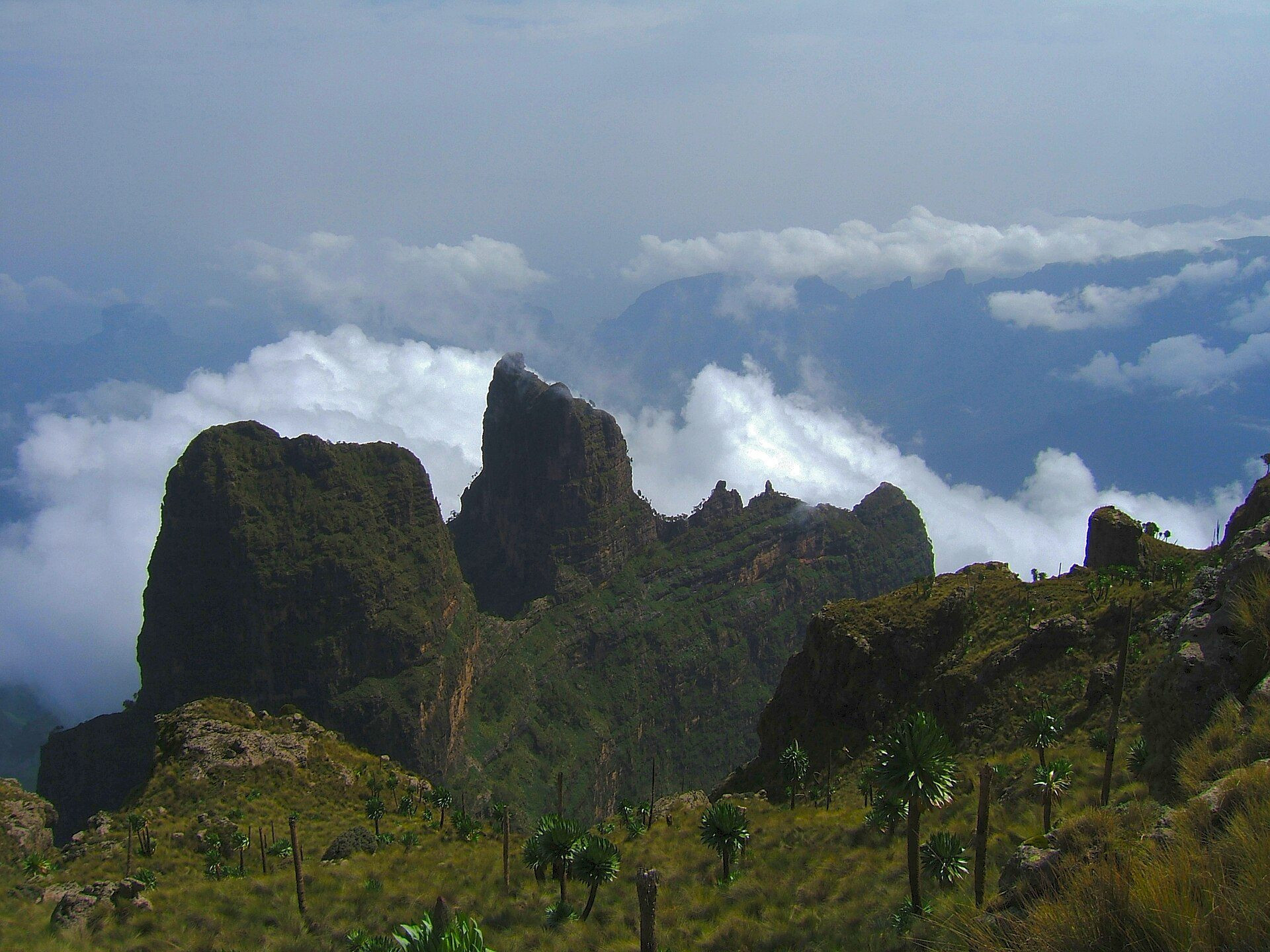
Arba Minch means "forty springs" — a name earned by the streams that rise from the base of the escarpment and feed a belt of groundwater forest below the town. It is a place defined by water and elevation: a ridge of higher ground set between two of the Great Rift Valley's largest lakes, with the wall of the Guge mountains rising behind and the plains of Nechisar spread below.
Most travellers come for the lakes and what lives in them. A boat out onto Lake Chamo brings you close to some of the largest Nile crocodiles left in Africa and to pods of hippo that surface in the shallows — a raw, unhurried kind of wildlife watching that feels a world away from a savannah game drive.
But Arba Minch is also a threshold. The highlands above hold the Dorze, celebrated weavers whose towering beehive houses climb the slopes of Mount Guge. And the road south from here runs on into the Omo Valley, the cultural heart of Ethiopia's far south. Few places do so much at once: nature, craft, and a doorway to somewhere further still.
Wildlife & landscapes
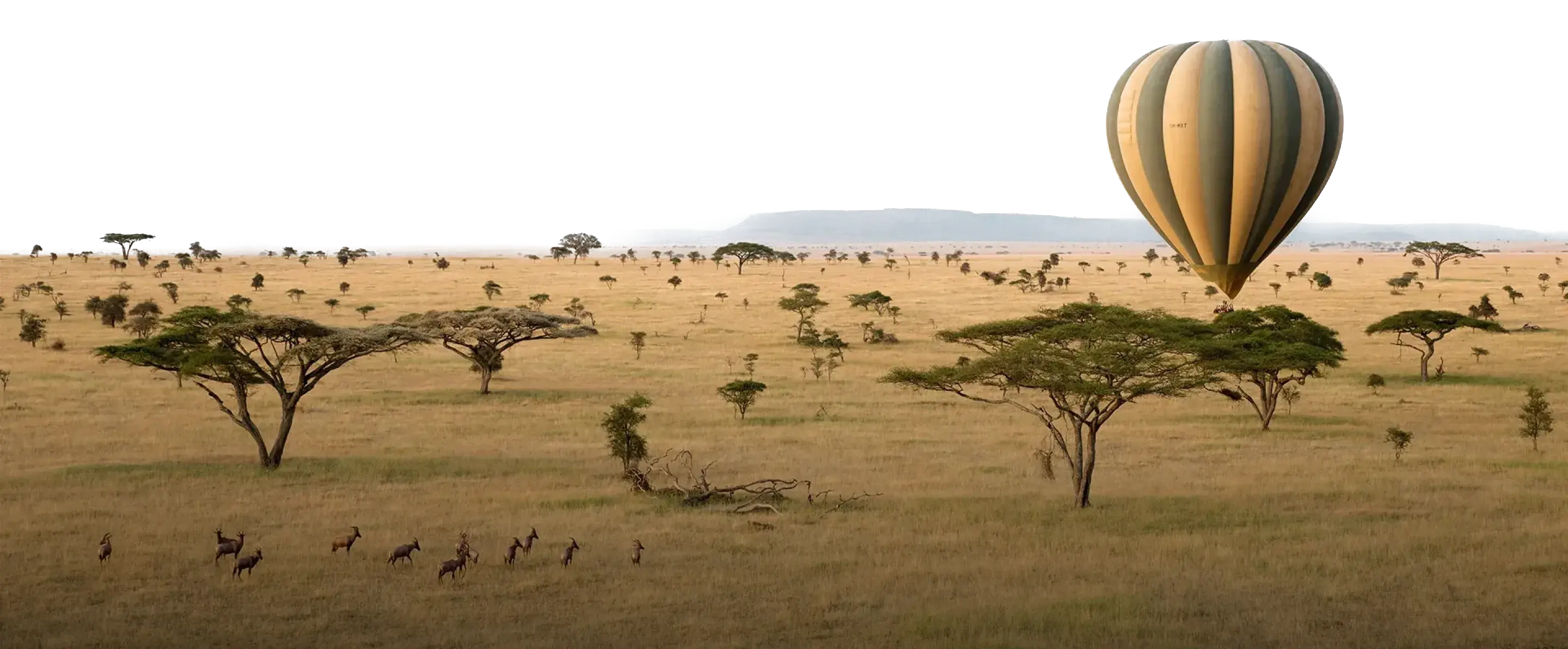
The setting is pure Rift Valley. Two lakes flank the town — Lake Abaya to the north, reddish with suspended sediment, and Lake Chamo to the south, clearer and deeper — divided by a forested ridge known as the Bridge of God. Between and beyond them lies Nechisar National Park, a mix of groundwater forest, open savannah plains, and the pale "white grass" that gives the park its name.
Lake Chamo is the headline. Its shoreline holds the famous "crocodile market", a stretch where numbers of very large Nile crocodiles bask together on the mud, alongside hippo in the shallows and clouds of waterbirds — pelicans, fish eagles, storks and kingfishers among them. It is one of the best places in East Africa to see big crocodiles at close, safe range from a boat.
Onshore, the Nechisar plains support Burchell's zebra, Grant's gazelle, greater kudu, dik-dik and the endemic Swayne's hartebeest, with the escarpment and forest adding to a strong birding list. This is not big-cat, big-herd country — the draw here is the drama of the lakes, the density of crocodile and hippo, and the sweep of the Rift landscape itself.
Best time to visit
Southern Ethiopia has two rainy spells and warm, low-lying lake basins. The most comfortable window is the long dry season from October to February, when tracks in Nechisar are firm, boat conditions on Lake Chamo are reliable, and the light over the lakes is clearest. June to September brings the main rains, which can make the park's tracks difficult and swell the lakes.
The shoulder months of March to May see shorter rains and are workable, though hotter in the basin. Because Arba Minch is so often combined with the Omo Valley further south, timing usually follows the wider southern circuit — and any of the drier months rewards the boat trip and the Dorze villages. Your travel designer will time it to the roads and to any cultural events you want to reach.
Things to do here
- Lake Chamo boat trip — the signature outing: a boat to the crocodile market and the hippo pools, with waterbirds throughout. Calm, close, and unforgettable.
- Nechisar National Park game drive — across the "Bridge of God" onto the Nechisar plains for zebra, gazelle, Swayne's hartebeest and wide Rift views.
- Dorze village visit — up into the highlands to the Dorze, for their beehive houses, hand-weaving and false-banana ("enset") food culture (see → Cultural safari).
- Birding on the lakes and forest — the groundwater forest, lake shores and escarpment make Arba Minch a rich stop for birders (see → Birding safari).
- The forty springs & viewpoints — the springs below town and the ridge viewpoints looking out over both lakes and the plains between them.
- Gateway to the Omo Valley — Arba Minch is the usual launch point for the journey south into the Omo (see → Omo Valley).
Know before you go
- Getting there: Fly into Arba Minch Airport (AMH) on a domestic hop from Addis Ababa, or drive down through the Rift Valley lakes — a long but scenic road day. The town is the standard staging post for the deeper south.
- Fees: Nechisar National Park entry, the Lake Chamo boat, and community fees for the Dorze villages all apply; we confirm current amounts and include them in your quote.
- How long: 2 nights covers the boat trip, a Nechisar drive and a Dorze visit comfortably; add time if Arba Minch is your launch pad into the Omo Valley.
- Pairing: Arba Minch links naturally with the → Omo Valley to the south and → Konso, the terraced UNESCO cultural landscape on the road down.
Related Nobu journeys
When to go
Month by month — daytime warmth, days of rain and what the season brings.
Where to stay
From Essential to Private Collection — the camps and lodges we know first-hand here. Rates are indicative and confirmed on enquiry.
Signature
Haile Resort Arba Minch
Signatureresort · lakeshore
from $90 pp / night· indicative, confirmed on enquiry
Elevated
Paradise Lodge Arba Minch
Elevatedlodge · hillside
from $80 pp / night· indicative, confirmed on enquiry
Common questions
- What is the crocodile market at Arba Minch?
- It is a stretch of Lake Chamo's shoreline where large Nile crocodiles gather in numbers to bask, alongside hippo and abundant waterbirds. You see them from a boat, at close but safe range — the town's most famous wildlife experience.
- Why is Arba Minch called "forty springs"?
- The name comes from the many groundwater springs that rise at the foot of the escarpment below the town, feeding a belt of forest — "arba minch" translates as "forty springs".
- What is there to do in Arba Minch besides the lakes?
- The Dorze weaving villages in the highlands above town, game drives on the Nechisar plains, birding in the groundwater forest, and it serves as the main gateway south into the Omo Valley.
- How many days do you need in Arba Minch?
- Two nights covers the Lake Chamo boat trip, a Nechisar drive and a Dorze village visit without rushing; longer if you are using it as a base for the journey into the Omo Valley.
- Is Arba Minch the gateway to the Omo Valley?
- Yes. It is the usual staging point for travellers heading south into the Omo, with an airport for the hop from Addis Ababa and the road continuing on through Konso.
Tell us what you want from Arba Minch
We'll design the journey around it — places, pace and people matched to how you travel.