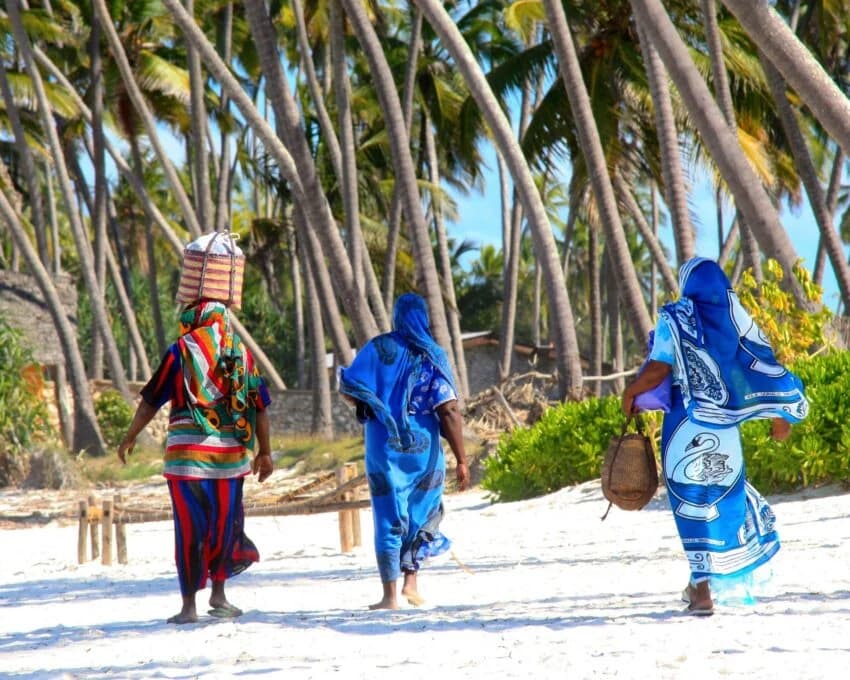
Old town, before the heat
Walk Stone Town’s lanes with a guide while the air is still cool.
Islands / Zanzibar
Stone Town on foot, then east-coast bikes, kayaks and reef, all paced by the tide.
The journey
Active Zanzibar is for travellers who would rather arrive somewhere under their own power.
You start with a guided walk through Stone Town, then stop at Jozani Forest on the way to the south-east coast. There you cycle village tracks, paddle mangrove channels at the right tide and, if the wind is up, try a kite lesson. A reef morning off Mnemba closes the route.
It suits people who like a few hours of effort most mornings and time to rest afterwards. Coastal rides aim for gentler terrain, but sand, uneven ground and heat still demand effort. For a slower island stay, choose Shores of Zanzibar.
Walk, pedal, paddle and swim, with space to rest between outings and each activity chosen around your interests.
Moments along the way
Walk Stone Town’s lanes with a guide while the air is still cool.
A park guide leads the walk, looking for red colobus monkeys; no sighting is guaranteed.
Choose village tracks with a guide, and ask before photographing the people you meet.
Paddle Michamvi’s channels with a guide; the operator sets your departure around sufficient water depth.
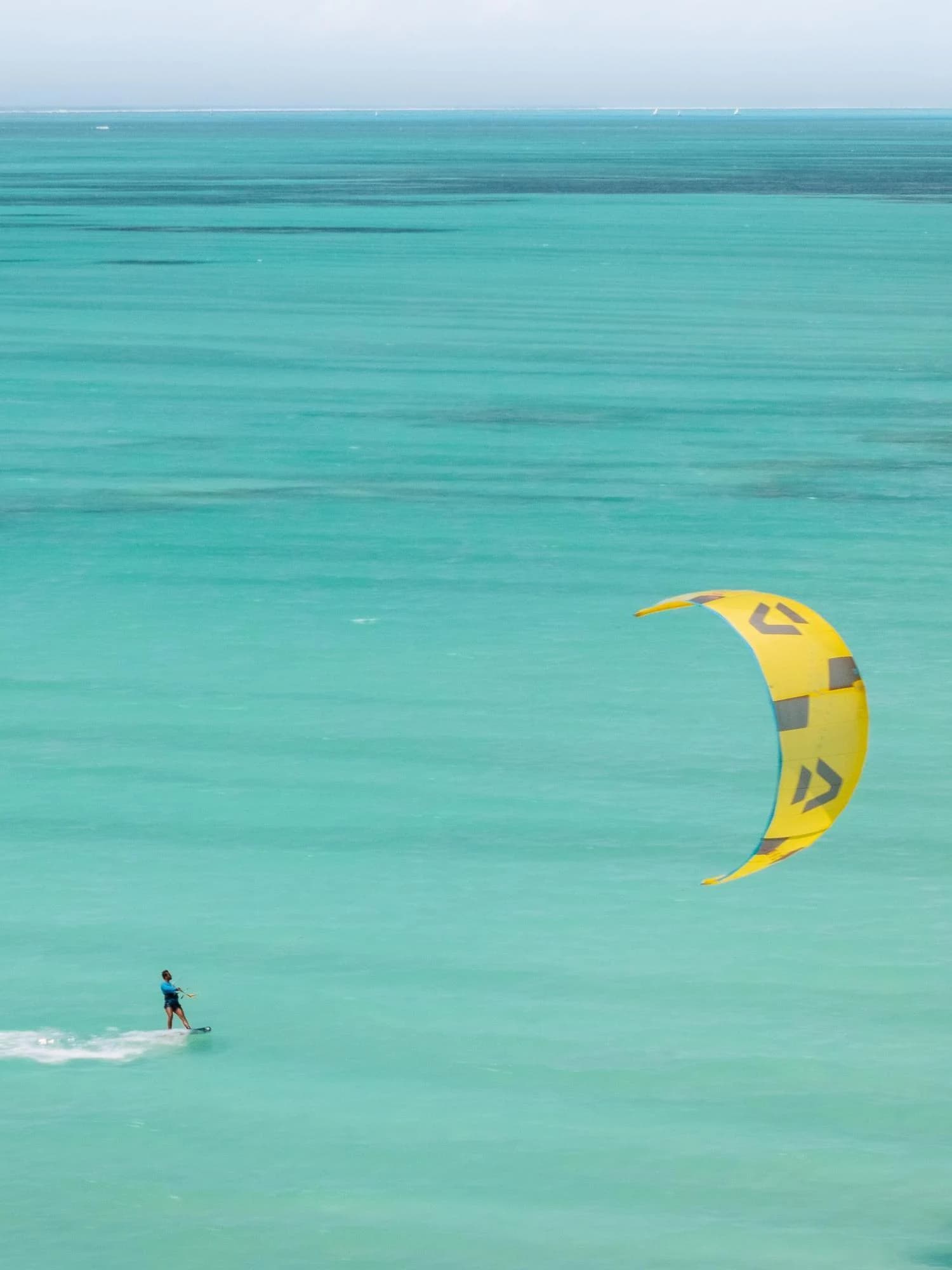
Kitesurf at Paje when the wind allows: mid-December to February, or June to September.
Float above the coral from a boat, leaving when tide and wind allow.
Where you’ll stay
From a simple Essential house in Stone Town to a Private Collection retreat on the coast, each stay is chosen for what it adds. Spend where you recover: shade, a cool room and an early breakfast.
STONE TOWN
Where you might stay
SOUTH-EAST COAST
Where you might stay
NORTH-EAST COAST
Where you might stay
Your planner confirms each stay for your dates.
Add to your journey
Select an idea to carry into your brief. Nothing is added to a booking or priced automatically.
A route with room to breathe
Zanzibar airport → Stone Town → Jozani → Paje → Matemwe → airport. Three bases, two hotel moves, one long drive of about 80 km. Your proposal confirms drive times and boat slots.
A sense of the days
Land and settle in. If daylight remains, take a short walk with a guide; otherwise save the lanes for tomorrow.
Set out by eight with a guide for two to three hours, then rest indoors at midday.
Drive towards Paje, stopping for a guided Jozani visit. Allow the forest time separately from the roughly hour-long road estimate.
Use Paje’s two or three full days for your chosen rides, paddle or kite lesson, with times confirmed around tide and wind.
Transfer about 80 km north-east and settle in. Keep the following day for Mnemba, with departure morning ashore; boats remain weather-dependent.
Fit a last swim or walk around your flight, then leave for the airport in good time.
Two nights in Stone Town, three or four at Paje and two at Matemwe: seven to eight overall, with two hotel moves.
Clear from the beginning
Every journey is quoted in full, with no surprises.
Good to know
Unguja, the island usually meant by Zanzibar, holds all three bases. Stone Town supplies the walking start; Paje places you near kite schools, Jozani and Michamvi; Matemwe shortens the approach to Mnemba’s reef. These are separate outings joined by road transfers, with local walks and rides chosen to suit your energy. Tide tables influence paddling and swimming, while wind can change boat plans. Conservation and forest fees apply: ask which zones, activities and charges your proposal covers.
Parks on this journey
Stone Town walking tourJozani ForestKitesurfing in PajeMnemba Atoll snorkellingMenai Bay sandbank dayZanzibar →Paje puts village rides, Jozani, Michamvi’s mangroves and kite schools within reach by road. The trade-off is scheduling: lagoon swims and paddles depend on water depth, and wind may suit a kite lesson while disrupting a boat trip.
Zanzibar red colobus live at Jozani, where a park guide looks for them; none is promised. Over Mnemba’s reef, fish are usual and a turtle possible. Keep your distance, never feed an animal, never stand on coral.
June to September often combines drier weather with kusi winds; December to February offers another kite window but more heat. These are seasonal tendencies. Ask your operators to match cycling, paddling and lessons to the actual wind, tide and forecast.
Seven to eight: two in Stone Town, three or four at Paje and two at Matemwe, keeping the reef trip off departure day. For six to seven nights, replace Matemwe with a third Stone Town night and a Menai Bay outing.
Expect uneven ground, sand, heat and boat entry, with water confidence needed for reef trips. Agree distances and effort beforehand. Ask your proposal to itemise bikes, helmets, guides, kayaks and lessons: these details and their inclusion still need confirmation.
Possibly: this version favours short outings and recovery time, with no promised long-distance riding or steep trekking. Ask for route grades before deciding. For demanding walking, consider Crater Highlands to Natron, on Foot; Shores of Zanzibar offers a slower island stay.
Government advice, checked October 2026: the US rates Tanzania, including Zanzibar, Level 3, Reconsider travel (issued 31 October 2025). The UK advises against all but essential travel within 20 km of the border with Mozambique’s Cabo Delgado province. Its crime guidance includes avoiding walking or cycling alone or at night. Read both advisories before travelling.
Malaria risk covers all of Tanzania below 1,800 m, Zanzibar included. The sun is strong: drink often, rest at midday, and ask a doctor about any heart or breathing condition. Kitesurf only with an instructor, snorkel with a guide, and check your insurance covers each activity. Tanzania requires a yellow fever certificate from arrivals from risk-list countries, Kenya included. This is general information, not medical advice — consult a travel clinic.
Plan around the tide, the wind and a rest day: Zanzibar tides explained · Zanzibar activity calendar · Zanzibar spice tour
Last checked: October 2026.
When to go
A seasonal snapshot for Zanzibar. On an active route, tide and heat matter as much as the month.
Jul / Main dry season
June to October is generally drier and cooler, with kusi winds often supporting kite sessions. Wind can also roughen Mnemba crossings; ask the operators which activities suit that day’s conditions.
Broad seasonal guidance — not a forecast, availability calendar or migration promise. Picking a month sets it in your plan.Related journeys
A journey made around you
Tell us your month, your fitness and the activities you want, and we’ll shape Active Zanzibar around the tide.