Jinka, Omo Valley
Jinka, Omo Valley is a journey region in Ethiopia. We currently track 1 place to stay here. Access is usually via Jinka (BCO). It works best when the route gives it a clear purpose: arrival, wilderness, coast, culture, rest or a better-paced connection between larger stops.
Why visit
The Lower Omo Valley is unlike anywhere else you will travel in Africa. Along the course of one river, southern Ethiopia holds an extraordinary density of distinct peoples — communities who have shaped their own ways of living, adorning and marking time over centuries. This is not a landscape you come to for lions. You come for the profound experience of encountering human cultures on their own terms, in the places they call home.
It asks something of the traveller in return. The Omo has drawn photographers and the curious for decades, and not always kindly — too often reduced to spectacle. Nobu travels it the other way entirely. Every encounter here is built on invitation and consent, arranged through people the communities themselves trust, and structured so that value stays with the community. The reward for that care is real: not a performance staged for a lens, but a genuine, unhurried meeting between people.
Framed this way, the Omo becomes one of the most moving journeys we offer — a chance to sit with difference, to listen, and to leave having given as much as you took.
Wildlife & landscapes
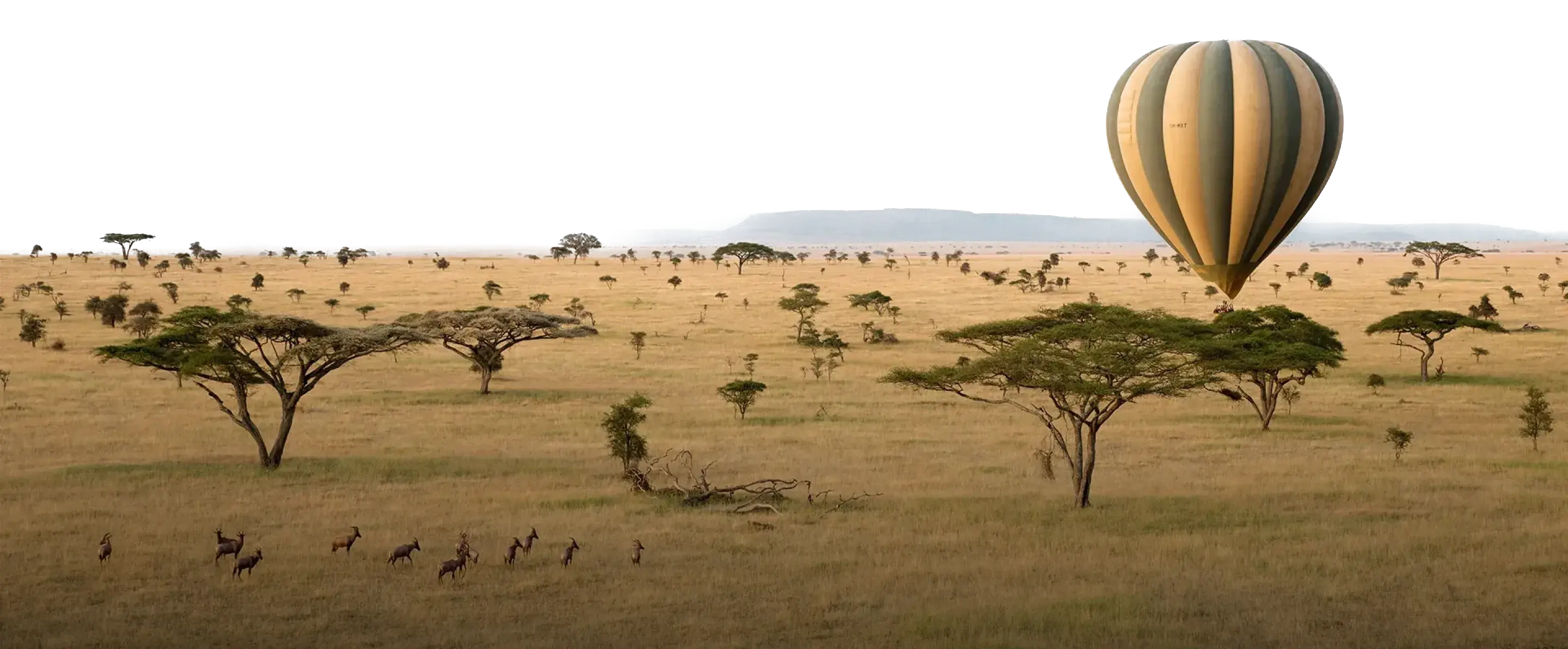
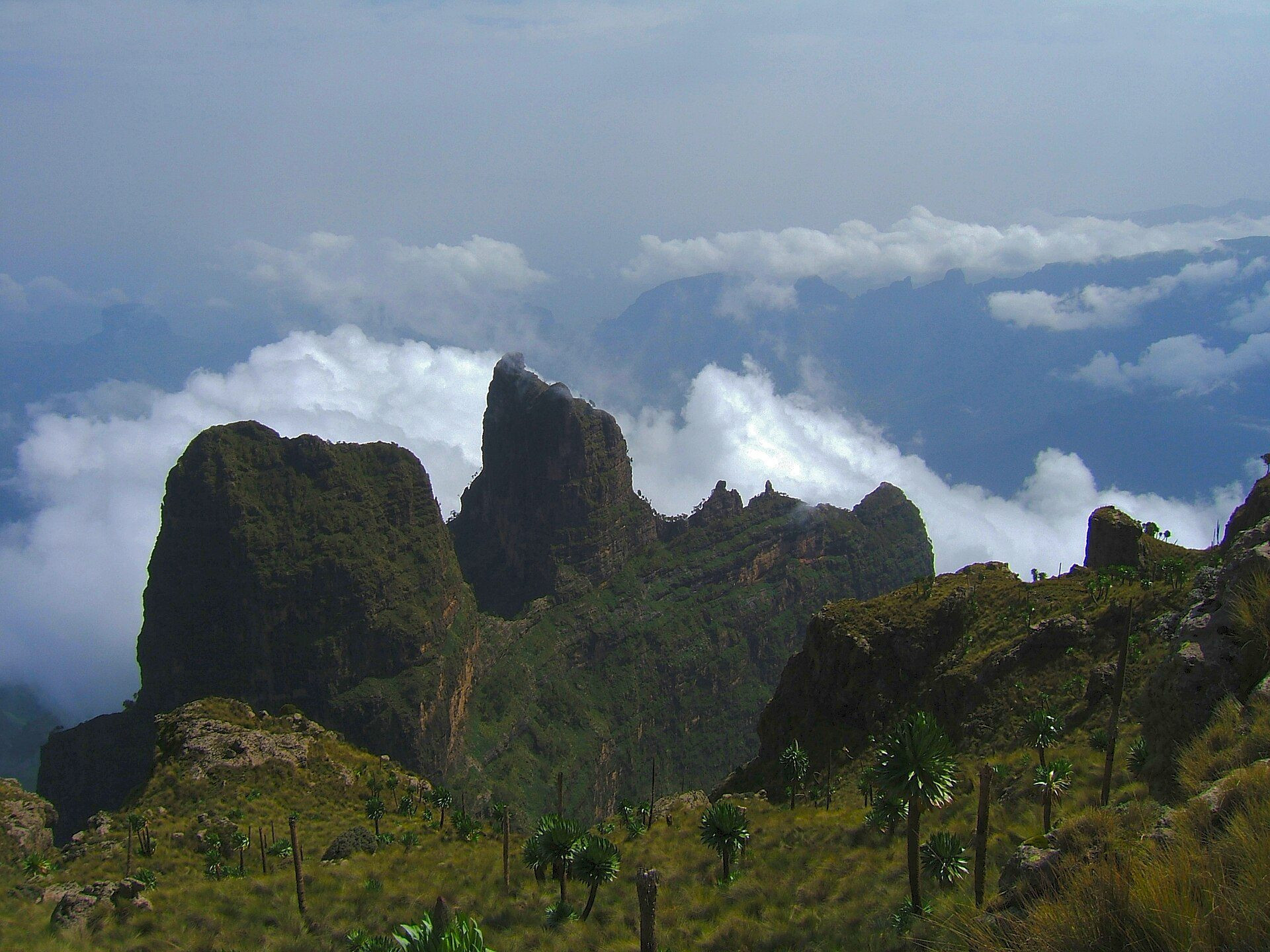
The draw here is human and geographic rather than wild game, and it deserves to be described honestly and with respect. The Omo River runs south from the Ethiopian highlands toward Lake Turkana, and its valley — dry savannah, riverine bush and cultivated banks — is the thread that connects the region's peoples.
Along it live communities of remarkable distinctiveness. The Mursi, known for the lip plates worn by some women and for their cattle-centred life. The Hamar, whose bull-jumping ceremony marks a young man's passage into adulthood, an event of deep social meaning rather than display. The Karo, celebrated for expressive body painting drawn from natural pigments. The Dassanech, living toward the Turkana delta where the river meets the lake. The Banna and others, each with their own language, dress and rhythm. These are living cultures — present, changing, and entirely their own.
Nobu never treats these encounters as a checklist or a human zoo. Where a ceremony such as bull-jumping falls during your visit, we attend only by genuine invitation, guided by the community's own terms. The landscape itself — wide, dry and luminous — is the setting; the people, met with dignity, are the reason you came.
Best time to visit
The Omo Valley is best travelled in the dry season, roughly October to March, when tracks are firm, river crossings are straightforward and the region's ceremonies are more likely to fall. This is the clearest, most reliable window for reaching the more remote communities.
The long rains (April to June) and shorter wet spells can turn the valley's unpaved roads to mud and make some areas hard to reach, so we generally steer journeys away from the heart of the wet months. Because the region's cultural events — including Hamar bull-jumping — follow the community's own calendar rather than a fixed schedule, timing them precisely is never guaranteed; your travel designer will advise on the periods when they are most likely, and shape expectations honestly. For a wider sense of pairing this with Ethiopia's highlands and historic north, see our → Ethiopia safari story.
Things to do here
- Community visits, by invitation — thoughtfully arranged, consent-first encounters with Omo peoples such as the Mursi, Hamar, Karo and Dassanech, structured so benefit flows to the community.
- Ceremonies, where they fall — attending events such as a Hamar bull-jumping only by genuine invitation and on the community's terms, never staged for visitors.
- Village markets — the region's weekly markets (around Jinka, Turmi, Key Afar and Dimeka) are living meeting-points where trade, dress and daily life unfold naturally.
- The valley landscape — driving the river country and its shifting scenery between communities, with a guide who reads the land and its history.
- Photography, handled ethically — always with permission first; our designers brief every traveller on respectful practice before you lift a lens (see → Photographic safari).
- Cultural context — the broader story of southern Ethiopia, connecting the Omo to neighbours such as the terraced Konso highlands and the lakes around Arba Minch.
Know before you go
- Getting there: The nearest airport is Jinka (BCO), reached by scheduled flight from Addis Ababa; from Jinka, journeys continue by road into the valley. Overland routes from the central highlands and lakes are also possible for travellers with time.
- Ethics first: Every community encounter is arranged through trusted local partners on a consent basis, with a fair, agreed contribution to the community. We brief you fully on respectful conduct and photography before you arrive.
- Fees & permits: Regional and community access arrangements apply; these are confirmed in your quote rather than paid ad hoc, which keeps the exchange dignified and transparent.
- How long: 3 to 4 nights in the valley allows time to reach several communities without rushing; the Omo pairs naturally with Konso and Arba Minch for a fuller southern Ethiopia journey.
Related Nobu journeys
When to go
Month by month — daytime warmth, days of rain and what the season brings.
Where to stay
From Essential to Private Collection — the camps and lodges we know first-hand here. Rates are indicative and confirmed on enquiry.
Signature
Eco-Omo Safari Lodge
Signaturetented camp · riverside
from $60 pp / night· indicative, confirmed on enquiry
Common questions
- Is visiting the Omo Valley ethical?
- It can be, when handled with care. Nobu arranges every encounter through partners the communities trust, on a consent basis, with a fair contribution flowing to the community — never as staged spectacle. We brief you fully so the meeting is dignified for everyone.
- What peoples live in the Omo Valley?
- The Lower Omo is home to many distinct communities, including the Mursi, Hamar, Karo, Dassanech and Banna, each with its own language, dress and living traditions.
- When is the best time to visit the Omo Valley?
- The dry season, roughly October to March, gives the firmest roads and the clearest access to remote communities; the wet months from April can make parts of the valley hard to reach.
- Can I photograph people in the Omo Valley?
- Only with permission, always sought first. We brief every traveller on respectful, consent-based photography before you arrive, so images are made with dignity rather than taken.
- How do I get to the Omo Valley?
- Fly from Addis Ababa to Jinka (BCO), the region's gateway, then continue by road into the valley; the towns of Jinka and Turmi serve as the practical hubs.
- How many days do you need in the Omo Valley?
- Three to four nights lets you reach several communities and a market or two without rushing, and pairs well with Konso and Arba Minch.
Tell us what you want from Jinka, Omo Valley
We'll design the journey around it — places, pace and people matched to how you travel.