Gheralta
Gheralta is a range of dramatic red sandstone escarpments and towers in the Tigray region of northern Ethiopia, best reached from Mekele (MQX). It is famous for a cluster of ancient rock-hewn Orthodox churches carved high into the cliffs — the most celebrated, Abuna Yemata Guh, is reached only by a genuine hand-and-foot climb up the rock face. Remote and uncrowded, it suits travellers drawn to cinematic scenery, real trekking and living heritage rather than game-viewing.
Why visit
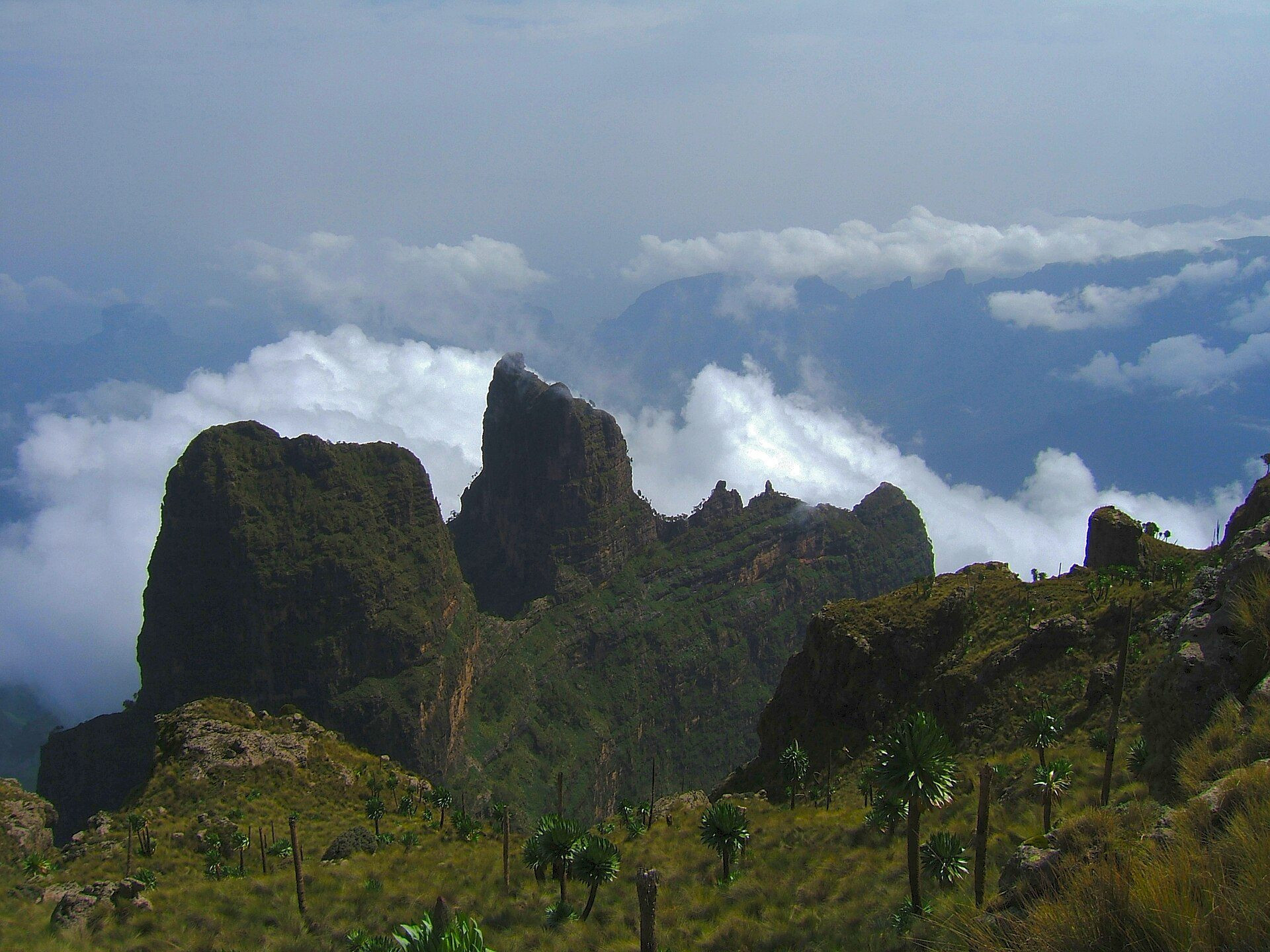
Some landscapes are beautiful. Gheralta is closer to sublime — a sweep of red and ochre sandstone rising in towers, fins and flat-topped mesas from the highland plains of Tigray. In the low, raking light of morning and evening, the whole massif seems to catch fire, and the scale of it resets what you thought northern Ethiopia looked like.
But the rock here holds a secret that most visitors never expect. High in the cliffs, reached by paths that thin to ledges and handholds, are some of the oldest and most spectacular rock-hewn churches in the Christian world — hewn directly out of the sandstone, still active, still tended by priests who have climbed to them for a lifetime. This is faith that chose the most difficult ground on purpose, and the effort of reaching it is part of the meaning.
Gheralta rewards the traveller who wants to earn the view. It is remote, quiet and gloriously uncommercial — a place for trekking boots, an early start, and a willingness to be moved.
Wildlife & landscapes
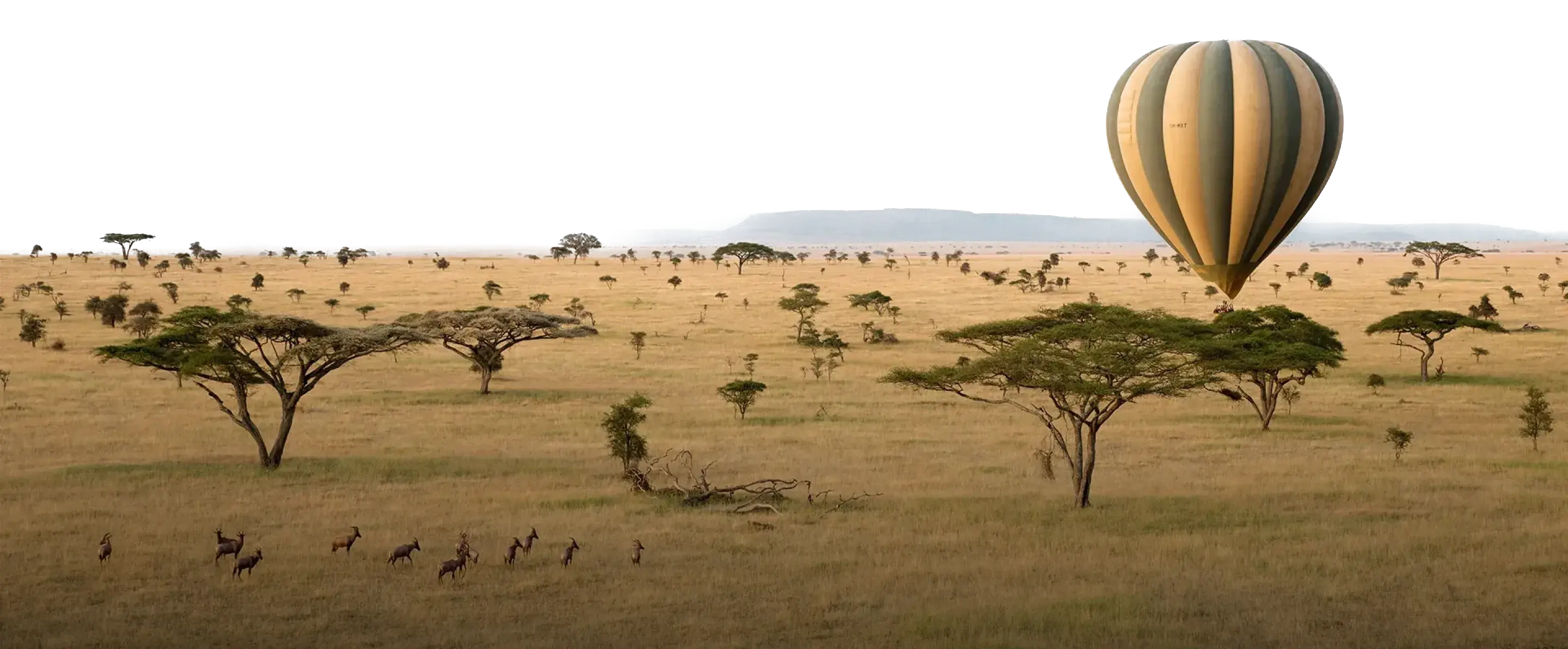
Gheralta is not a game destination — its draw is landscape and heritage, and both are extraordinary. The sandstone massif is the headline: vertical cliffs, free-standing pinnacles and deep escarpments in shades of rust, rose and gold, dropping to cultivated highland valleys where farmers still work the land by hand. It is among the most photogenic terrain in all of Ethiopia, and it is best absorbed on foot.
Threaded through those cliffs is the region's true wonder — the rock-hewn churches of Tigray. Dozens are scattered across the massif, but the most famous is Abuna Yemata Guh, carved into a rock spire and reached only by a hand-and-foot climb up bare sandstone, with a final ledge that falls away to a sheer drop. Inside, remarkably preserved frescoes cover the dome and walls in colour that has survived centuries. Other churches — Maryam Korkor, Daniel Korkor, Abuna Gebre Mikael — offer their own combinations of climb, view and painted interior.
The wider heritage is Orthodox and deeply rooted: this is one of the ancient heartlands of Ethiopian Christianity, and the churches are places of living worship, not museums. Birdlife moves through the crags — raptors ride the thermals along the cliffs — but you come to Gheralta for the rock, the paintings and the silence.
Best time to visit
Gheralta sits in the northern Ethiopian highlands, and its seasons follow the rains. The dry season, October to March, is the clearest and most comfortable window — bright skies, firm trails and safe rock for the church climbs. October and November, just after the main rains, bring green valleys beneath the red cliffs. The hot, dry months of March to May are usable but warmer, and the exposed climbs demand an early start.
The main rains, roughly June to September, make the rock slick and some ascents genuinely inadvisable — the cliff churches are best avoided in the wet. For the safest footing on Abuna Yemata Guh and the finest light on the massif, plan for the dry months. Your travel designer will time the trek to your appetite and the season.
Things to do here
- The cliff-church climb — the signature Gheralta experience: ascending to Abuna Yemata Guh and other rock-hewn churches, with local guides and, where wanted, a safety rope. A guided walking safari mindset applies — see → Walking safari.
- Trekking the massif — day walks between churches and viewpoints along the escarpment, from gentle valley paths to committing scrambles up the towers.
- Photography — the raking dawn and dusk light on the sandstone is exceptional; the massif is one of Ethiopia's great subjects (see → Photographic safari).
- Church and fresco visits — time inside the painted interiors with a priest and a guide, understanding the Orthodox tradition that carved and keeps them.
- Sundowners on the escarpment — a quiet evening watching the towers turn from gold to rose is a Gheralta ritual worth building the day around.
- Village and highland encounters — respectful visits with the farming communities of Tigray, whose life among the cliffs gives the landscape its human scale.
Know before you go
- Getting there: The nearest airport is Mekele (MQX), with domestic connections from Addis Ababa; from Mekele it is roughly a 1.5–2 hour road transfer into the Gheralta massif. Access can be affected by regional conditions in Tigray — we confirm the current situation as part of planning.
- The climbs: Reaching Abuna Yemata Guh involves genuine exposed scrambling with a sheer drop near the top; it is not for those uneasy with heights. Local guides and safety ropes are standard, and easier churches are available for travellers who prefer to keep their feet on gentler ground.
- Fees & guides: Church-entry and local-guide fees apply and are confirmed in your quote. Modest dress is expected at the churches, and some restrict entry.
- How long: 2–3 nights lets you climb the marquee churches, trek the massif and not rush the light. Gheralta pairs naturally with Axum and Lalibela for a fuller northern route.
Related Nobu journeys
- Ethiopia's historic north — the rock-hewn churches, ancient stelae and highland landscapes of the north, shaped to your pace. → Explore
When to go
Month by month — daytime warmth, days of rain and what the season brings.
Where to stay
From Essential to Private Collection — the camps and lodges we know first-hand here. Rates are indicative and confirmed on enquiry.
Elevated
Gheralta Lodge
Elevatedlodge · escarpment
from $90 pp / night· indicative, confirmed on enquiry
Korkor Lodge
Elevatedlodge · escarpment
from $120 pp / night· indicative, confirmed on enquiry
Common questions
- What is Gheralta known for?
- The Gheralta massif in Tigray is known for its dramatic red sandstone towers and for the cluster of ancient rock-hewn Orthodox churches carved high into its cliffs — most famously Abuna Yemata Guh, reached by a hand-and-foot climb.
- How hard is the climb to Abuna Yemata Guh?
- It is a genuine exposed scramble up bare sandstone, with handholds and a final narrow ledge above a sheer drop. Local guides and safety ropes are used, but it suits travellers comfortable with heights; gentler churches are available as alternatives.
- When is the best time to visit Gheralta?
- The dry season, October to March, gives the clearest skies and the safest footing on the rock. The main rains from June to September make the cliff climbs slick and best avoided.
- How many days do you need in Gheralta?
- Two to three nights lets you climb the marquee churches, trek the massif and catch the best light without hurrying.
- Is there wildlife on a Gheralta safari?
- Gheralta is a landscape-and-heritage destination rather than a game park; the draw is the sandstone scenery, the cliff churches and their frescoes, with raptors and highland birdlife along the crags.
Tell us what you want from Gheralta
We'll design the journey around it — places, pace and people matched to how you travel.