Bale Mountains
Bale Mountains National Park is a high-altitude reserve in southern Ethiopia and the best place on earth to see the Ethiopian wolf, the rarest canid on the planet. It protects the vast Sanetti Plateau of Afroalpine moorland, the lush Harenna cloud forest on its southern slopes, and a roll-call of endemic wildlife and birds. It suits curious, active travellers after endemics and wild country rather than classic Big-Five safari-goers.
Why visit
If the Simiens are Ethiopia's great escarpment, the Bale Mountains are its great Afroalpine plateau — a rolling, otherworldly highland that feels closer to the moon than the savannah. This is the largest expanse of Afroalpine habitat on the continent, and it holds something no other place on earth can offer: the best chance to see the Ethiopian wolf, of which only a few hundred survive, most of them here.
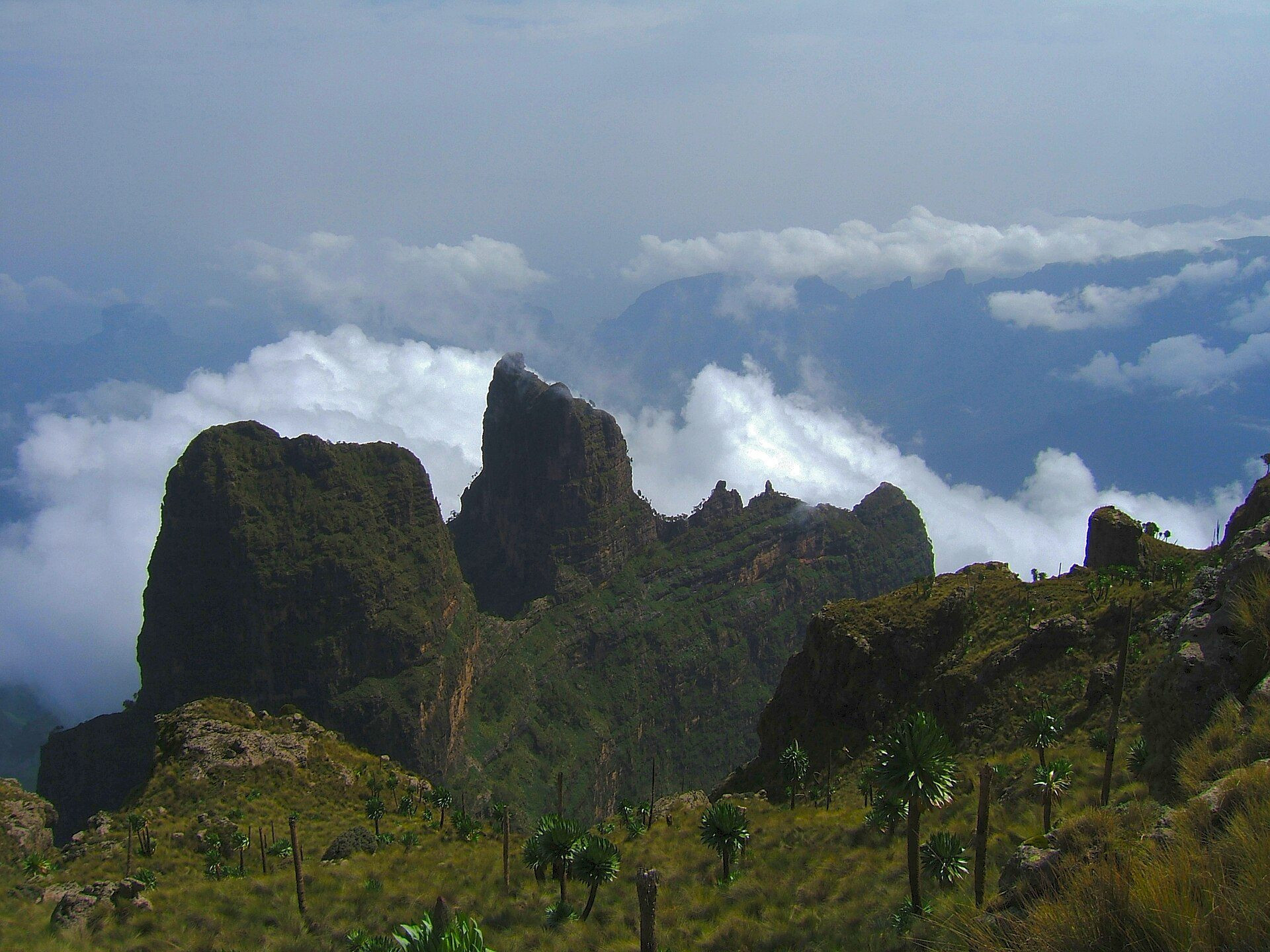
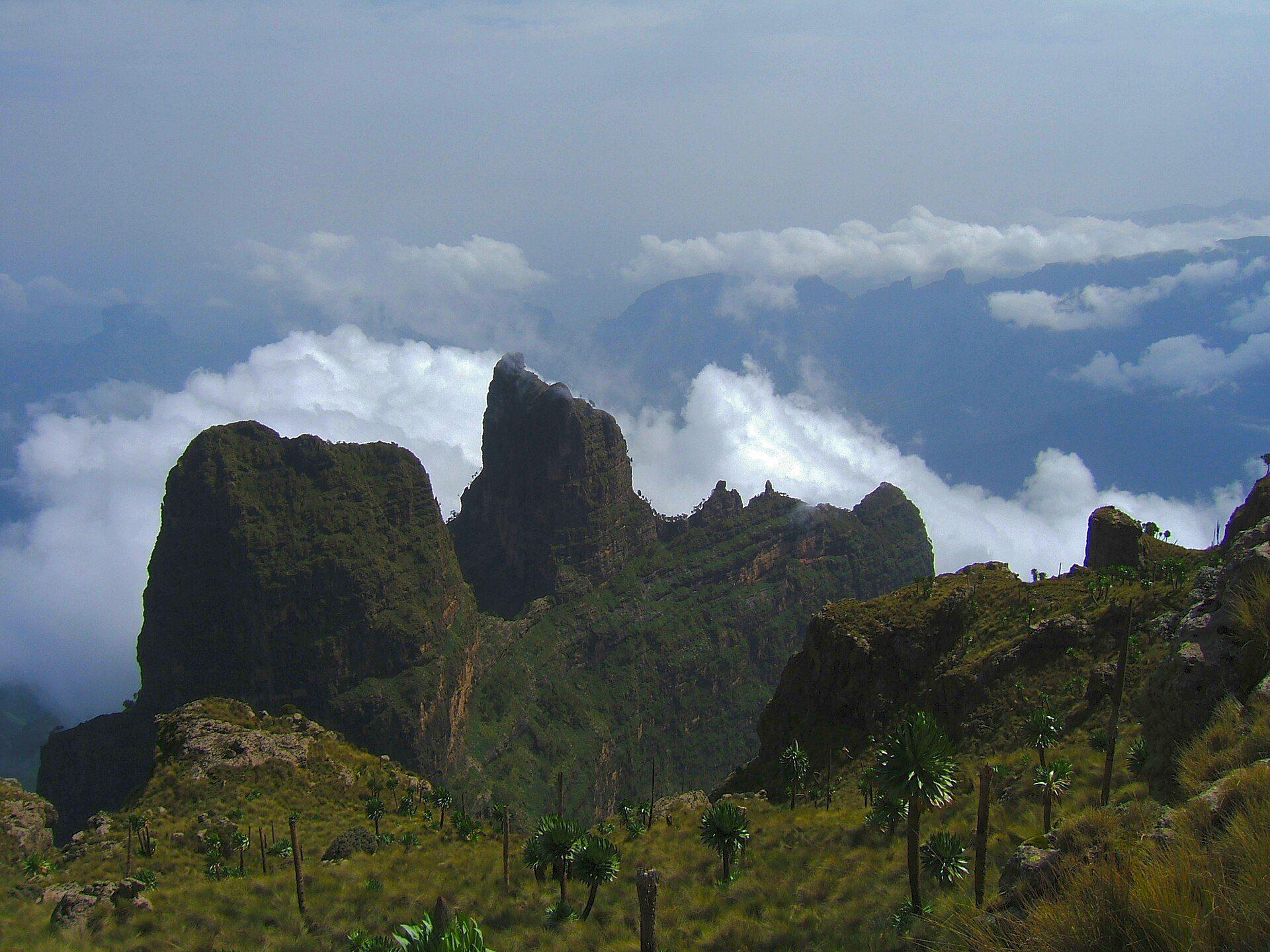
The park climbs through three worlds in a single drive. From the heather and woodland of the lower slopes, the road rises onto the Sanetti Plateau — one of the highest all-weather roads in Africa — where wolves hunt giant mole-rats across the moorland. Then it drops south into the Harenna Forest, a tangle of moss-draped cloud forest alive with birdsong.
Come for the endemics, the altitude and the silence. Bale is for the traveller who wants wilderness without crowds, and a creature they will likely never see anywhere else.
Wildlife & landscapes
Bale is endemic-wildlife country, headlined by the Ethiopian wolf — slender, russet, and the rarest canid in the world — most readily seen hunting rodents across the Sanetti Plateau. The park is also home to the endemic mountain nyala and Bale monkey, with Menelik's bushbuck, warthog and, in the Harenna Forest, elusive lion and leopard at low density. It is one of Africa's premier birding destinations, with a long list of highland endemics including the blue-winged goose and wattled ibis.
The landscapes run from the Gaysay grasslands and heather zones, up to the treeless, lake-dotted Sanetti Plateau above 4,000m, and down into the dripping Harenna cloud forest — a rare span from Afroalpine moorland to montane rainforest within one park.
Best time to visit
The best window for Bale is the dry season, roughly November to March — clearer skies, firmer tracks across the plateau and better visibility for spotting wolves on the open moorland. The main rains fall roughly June to October, when the plateau is often wrapped in mist and roads can be difficult, though the moorland is greenest then. Ethiopian wolves are resident year-round, so sightings are about conditions and visibility rather than season. Nights are bitterly cold at this altitude in any month — we plan and pack accordingly.
Things to do here
- Wildlife drives on the Sanetti Plateau — The prime way to find Ethiopian wolves across the open moorland.
- Trekking & day walks — Walks and multi-day treks through the Gaysay grasslands, heather zones and plateau, often with horses to carry kit (see → Walking safari).
- Harenna Forest excursions — Into the cloud forest for birds, monkeys and a wholly different ecosystem.
- Endemic birding — Among the best highland birding in Africa, with a dedicated guide.
- Cultural visits — Highland communities around the park gateway of Dinsho (see → Cultural Stories).
Know before you go
- Getting there: Fly or drive from Addis Ababa (ADD) toward Goba / Robe (a long road journey, or a domestic flight to a regional strip then road); the park gateway is Dinsho, roughly a day's travel south of the capital.
- Fees & guiding: National park entry fees apply and a guide is required; we confirm current rates and arrange guides, scouts and horses in your quote.
- Altitude: The Sanetti Plateau rises above 4,000m — among the highest drivable terrain in Africa — so we pace itineraries to acclimatise and watch for altitude effects.
- How long: 2–3 nights suits most travellers, enough for the plateau, a walk and a forest excursion. Pairs naturally with the Simien Mountains for the full endemic set, or with a Kenyan or Tanzanian safari.
Related Nobu journeys
- Roof of Africa Trek — The Simien and Bale Mountains on foot, after the endemics. → Explore
- Plains & Highlands — An East African safari finished in the Ethiopian highlands. → Explore (Ethiopia journeys are being added as the cluster fills in; start with → Plan Your Journey.)
When to go
Month by month — daytime warmth, days of rain and what the season brings.
Where to stay
From Essential to Private Collection — the camps and lodges we know first-hand here. Rates are indicative and confirmed on enquiry.
Expedition
Bale Mountain Lodge
Expeditionlodge · forest
from $250 pp / night· indicative, confirmed on enquiry
Journeys through here
Signature routes that pass through Bale Mountains — starting points we reshape around your season and pace.
Common questions
- When is the best time to visit the Bale Mountains?
- The dry season, roughly November to March, gives clearer skies and the best visibility for spotting Ethiopian wolves on the Sanetti Plateau; the main rains of June to October bring mist and difficult roads.
- What is the best place to see the Ethiopian wolf?
- The Bale Mountains, and specifically the Sanetti Plateau, hold most of the world's small surviving population and offer the best chance on earth to see this rare canid.
- What other wildlife lives in the Bale Mountains?
- Endemics including the mountain nyala and Bale monkey, plus Menelik's bushbuck and warthog, low-density lion and leopard in the Harenna Forest, and exceptional highland birding.
- How many days do you need in the Bale Mountains?
- Two to three nights suits most travellers — time for the plateau, a walk and a forest excursion — with more for serious trekking or birding.
- How high are the Bale Mountains?
- The Sanetti Plateau rises above 4,000m, among the highest drivable terrain in Africa, so itineraries are paced for altitude.
Tell us what you want from Bale Mountains
We'll design the journey around it — places, pace and people matched to how you travel.