Start here
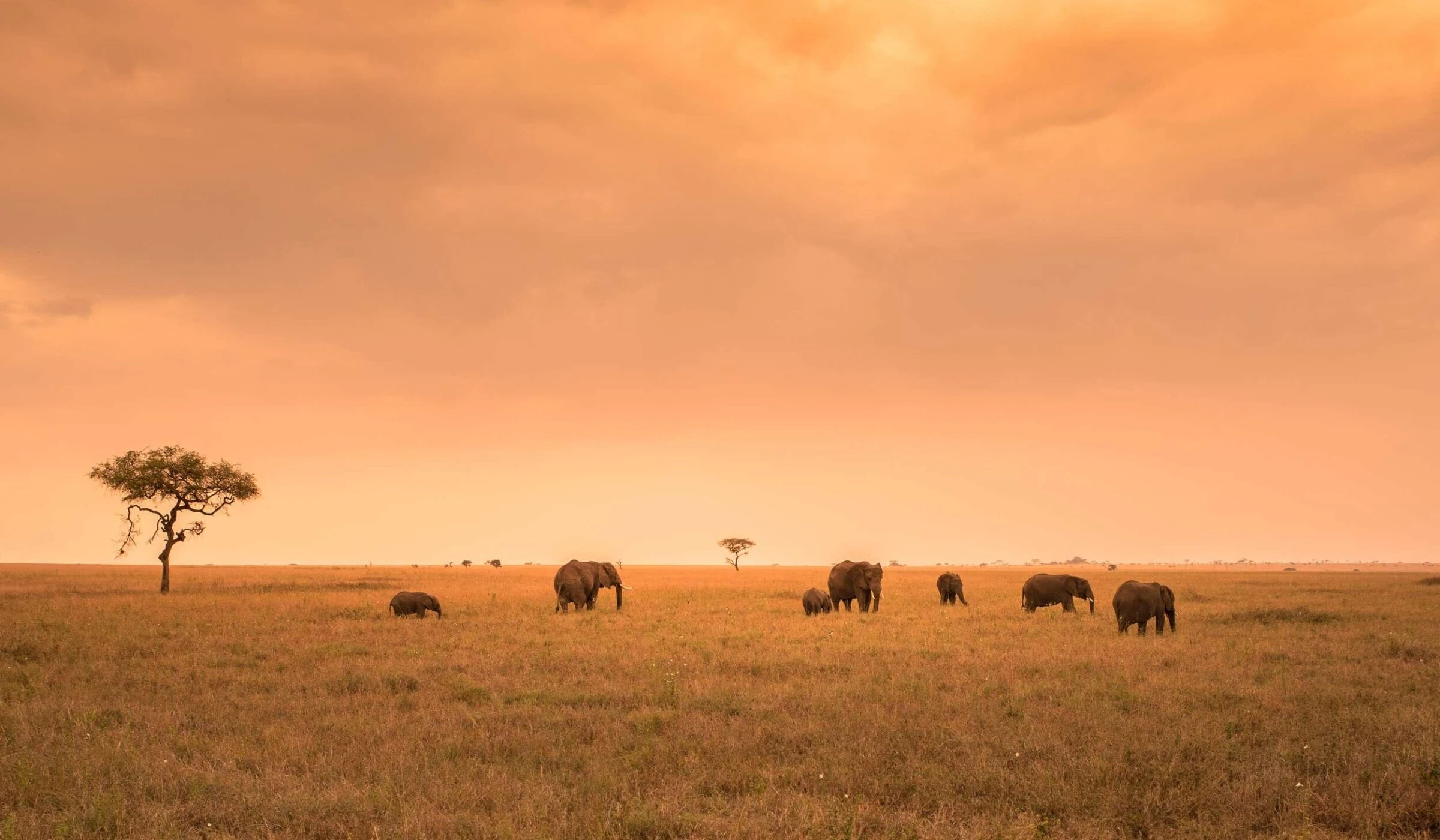
What to pack for Zanzibar goes wrong in two directions. One is the resort list — ten outfits, heels, a hard-shell suitcase — that ignores the walk to the village shop and the small plane from the Serengeti. The other is the safari list carried on unchanged, which lands you on a beach in khaki with no reef shoes. This is the list in between, built for the common bush-and-beach arrival: dusty, from the bush, with a bag that was weighed at an airstrip. If you fly straight in on a scheduled airline, most of it still applies; the weight rule relaxes.
The detail
The five things that matter
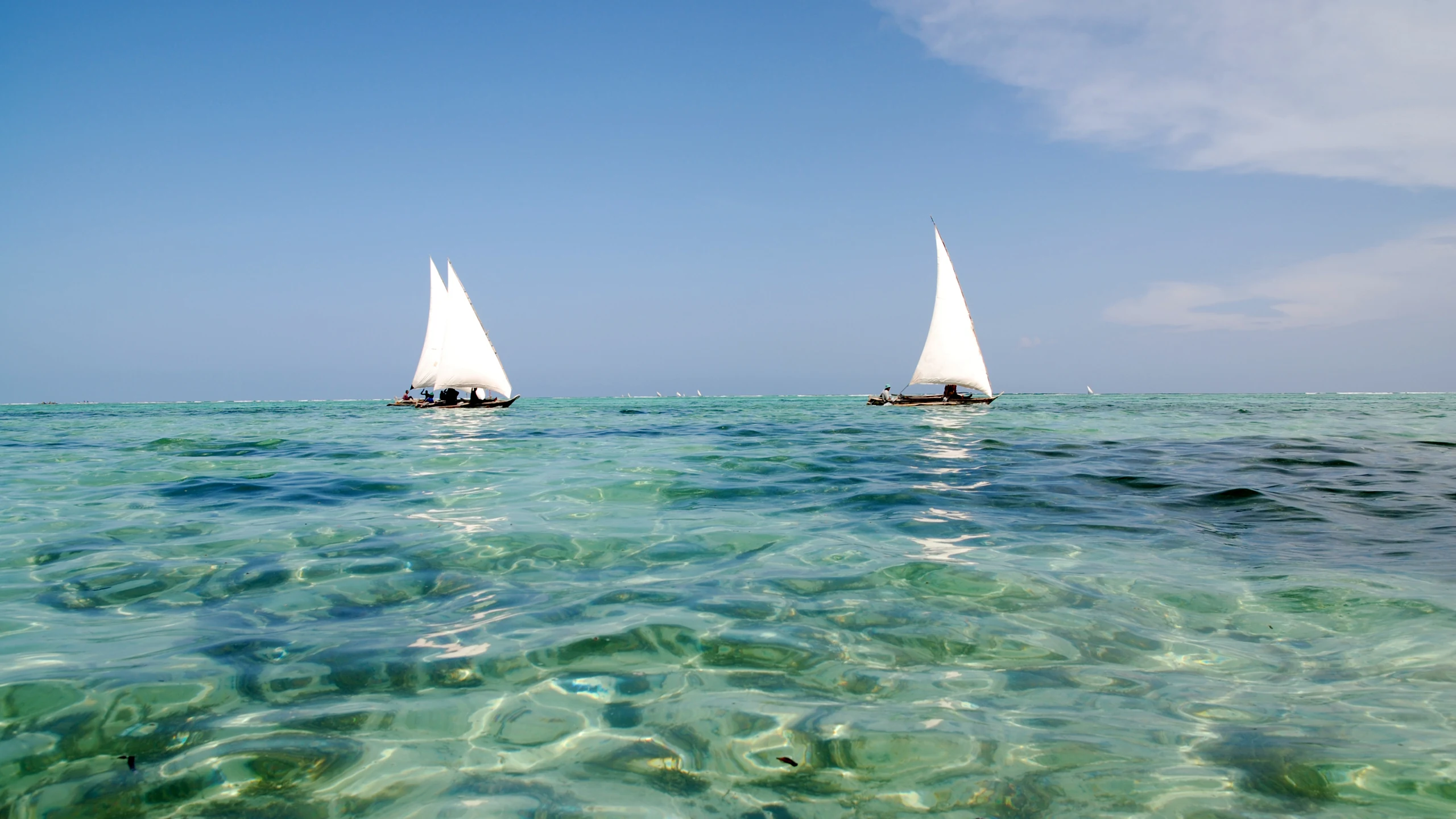
Reef shoes. The east and south-east coasts sit behind a reef; at low tide the water retreats across flats of coral rubble, seagrass and sea urchins. A pair of close-fitting water shoes turns that walk out to the water from a hazard into a stroll. Rubber flip-flops are not the same thing; they come off. Buy them before you travel; the choice on the island is limited.
Cover-ups for town and village. Shoulders and knees covered, for both sexes, beyond the beach and the resort gate: a sarong, loose trousers or a long skirt, a linen shirt with sleeves. Zanzibari authorities can fine visitors $700 or more for clothing they judge inappropriate in public (FCDO); the detail is in our Zanzibar dress code and photography etiquette guide.
Sun, properly. Reef-safe sunscreen (the non-nano mineral kind — the reefs you snorkel are the reason), a wide-brimmed hat that survives a dhow, sunglasses, and a long-sleeved rash top for snorkelling; the back of your neck and shoulders burn fastest on a sandbank at noon. After-sun and a lip balm with SPF.
The soft bag, under 15 kg. If you are flying from a safari — Serengeti, Ruaha, Nyerere, the Mara — the light aircraft that bring you to the coast set a luggage limit that includes hand luggage. Coastal Aviation allows 15 kg per person and strongly recommends soft bags; Safarilink's Zanzibar routes are reported at 20 kg in soft bags; Auric Air is reported to allow 20 kg in soft bags. Pack to the lowest number on your routing, in a duffel with no frame, and check the exact limit for your flights before you pack. For the routing itself, see Serengeti to Zanzibar. A second bag can often be stored or sent ahead; ask the airline.
A small dry bag. For the phone, the passport and the insurance certificate on dhow and sandbank days. Boats are wet, and Tanzania's mandatory inbound insurance certificate can be checked — carry a printed copy. Which policy you hold depends on where you first enter Tanzania (see Zanzibar's mandatory travel insurance).
By season
- March to May (long rains): a packable rain jacket, quick-dry clothes rather than cotton, and sandals that cope with wet streets. Short rains usually come around November; the same layer earns its place then. More in Zanzibar in the rainy season.
- June to October (kusi, the south-east wind): a light fleece or long-sleeved layer for cooler evenings and a breezy dhow back at dusk.
- December to March (kaskazi, the warm north-east monsoon): warm and humid — the lightest linen you own, and a second rash top.
Clothes — the after-safari laundry reality
You arrive on the island with a bag of safari clothes that smell of dust and woodsmoke, and the first thing you want is a wash. Most lodges and resorts offer laundry; it is usually by the piece, usually back in 24 to 48 hours, and in the humid months things dry slowly. So pack for three to four days of island wear, not seven: two or three swimsuits (one is always wet), light cotton or linen that dries fast, one outfit for dinner that is not a T-shirt, the seasonal layer above, and the modest layers. Leave the safari neutrals in the bottom of the bag — on the island nobody is hiding from a leopard.
Health and useful small things
Antimalarials as prescribed by your travel clinic and a strong repellent for dusk (details on the Zanzibar health page); rehydration sachets; plasters and antiseptic for coral grazes; your own mask and snorkel if you mind sharing; a universal adaptor (Tanzania uses UK-style three-pin, type G, at 230 V); a head torch for power cuts and night paths; a reusable bottle — resorts refill, and the island has banned single-use plastic bags, so leave those behind too. Clean US dollar notes printed after 2013 in small denominations, for excursions and the visa if you are getting it on arrival.
This is general information, not medical advice — consult a travel clinic.
What to leave behind
Hard-shell suitcases if you fly light aircraft. Heels (sand, coral, cobbles). Drones, unless you have completed Tanzania's TCAA import, registration and operating permits weeks ahead — without the import permit the drone may be confiscated on arrival. Camouflage-print clothing, which is reported to be restricted for civilians in Tanzania. Expensive jewellery. More than one pair of shoes beyond reef shoes and sandals. Anything you would mind losing on a beach.
Key facts
- Must pack: reef shoes · modest cover-ups (shoulders and knees) · reef-safe sunscreen and a hat · rash top · soft duffel · small dry bag.
- Light-aircraft limit: 15 kg incl. hand luggage on Coastal (soft bags strongly recommended); 20 kg reported on Safarilink Zanzibar routes (soft bags) — check per routing.
- Rain layer: March–May long rains; short rains around November.
- Evening layer: June–October, the cooler kusi months.
- Laundry: available at most stays, usually 24–48 h, by the piece.
- Plug: type G, 230 V.
- Leave behind: hard cases, heels, unpermitted drones, camouflage, single-use plastic bags.
- Cash: clean post-2013 US dollars in small notes.
Planning it with Nobu
A travel designer can check the exact limit for your flights and send it with your documents, before you pack. The island half of a bush-and-beach journey is then designed around a light bag rather than fought with one, and the laundry plan is made stay by stay.
Is it right for you?
Arriving from safari by light aircraft → pack the soft bag to the limit and plan a wash on day one. Flying direct to Zanzibar on a scheduled airline → the weight rule relaxes, but the reef shoes and cover-ups do not. Travelling with children → double the reef shoes and the rash tops; sand and sun are the two things that end a child's beach day early. Honeymooning → one good dinner outfit each, and nothing that cannot survive a dhow.
Not for you if you are staying at one self-contained resort on the north coast and flying direct: skip the soft-bag rule and most of the cover-ups, and pack as you would for any warm beach. Zanzibar with kids covers family kit in more depth.
Journeys to consider
- Southern Safari & Spice — where the bag has to work for both halves. → Southern Safari & Spice, the bush-and-beach journey
- Shores of Zanzibar — where the list is shorter. → Shores of Zanzibar, the island on its own