
Safari guide
Best time to visit Africa
The best time for an African safari is generally the dry season — roughly June to October in East Africa, and May to October in Southern Africa — when wildlife gathers at water and viewing is easiest. Green seasons bring value, exceptional birding and newborn wildlife. The ideal window depends on the region and what you want to see.
Written by Joseph Gathuru · Travel designer at Nobu Safaris
Intro
"Africa" is not one season but many — a continent of safari regions, each with its own rhythm. The honest answer is that the dry months are the safe bet almost everywhere, but the right time for your journey depends on where you go and what you most want to witness.
This page is a starting point, not a shortcut. It helps you sort the big patterns before you narrow into Kenya, Tanzania, Uganda, Rwanda, Ethiopia, Zanzibar or Southern Africa. The mistake is to ask for "the best month for Africa" as if one calendar can cover rainforest, savannah, highlands and coast. A better question is: which region carries the experience you want, and what does that region do beautifully in your travel window?
The detail
- East Africa (Kenya, Tanzania) — dry ~June–October. Peak game viewing and the heart of the wildebeest migration, with a second bright window around January–February. This is the classic first-safari rhythm: strong wildlife, golden grass and clear reasons to choose a region by month.
- Primate regions (Uganda, Rwanda) — drier windows Jun–Sep & Dec–Feb. Gorilla and chimpanzee trekking run year-round, but drier months make forest trails firmer. Wetter months are greener and quieter, with Uganda offering lower permit periods in selected months.
- Southern Africa — dry ~May–October. The classic season as water thins and animals concentrate; the green months bring lush landscapes and birding. Southern Africa is not the core of Nobu's current East Africa build, but the pattern helps explain why safari calendars vary across the continent.
- The coasts and islands. Zanzibar and the Swahili coast are best treated as their own season layer. A safari can be perfectly timed and still end in a wet beach week if the island calendar is ignored.
- The green seasons. Across regions the wetter months deliver fewer vehicles, dramatic skies, newborn wildlife and often gentler rates — a real choice, not a consolation.
The simplest decision tree is this: choose dry season if you want the most reliable wildlife viewing; choose a migration month if that is the point of the trip; choose drier forest windows if gorillas are central; choose green season if you value mood, space and a more reflective pace. Then match the route to the month instead of forcing the month to fit a famous name.
Key facts
East Africa dry: ~Jun–Oct (peak). Southern Africa dry: ~May–Oct. Second East-African window: Jan–Feb. Migration crossings: ~Jul–Oct. Gorillas: Jun–Sep & Dec–Feb for firmer trails. Green seasons: value, birding, newborns. Rule: the best month follows the country and the goal.
Why Nobu for this
We design across the continent, so we start from what you want to see, then choose the country and the season to match — see → Best time to visit Kenya and → Best time to visit Tanzania. The season is a design tool, not a default.
For a first safari, that may mean Kenya in the dry season with a clean Mara or Amboseli rhythm. For a migration-focused traveller, it may mean Tanzania in February or Kenya in August. For a primate journey, Rwanda or Uganda might be the anchor, with savannah and coast added around the trek. The value of design is knowing when to say "not that park, not that month, not that route" before the journey becomes overfilled.
Suitability — "right for you if…"
You're deciding where as much as when → start here, then narrow by country. Set on the migration → East Africa, June–October for crossings or January–February for calving. Set on gorillas → Rwanda or Uganda, with drier forest months if comfort matters. After value and green landscapes → the green season, wherever you go. Want beach at the end → check the coast before locking safari dates.
Related Nobu journeys
- Into the Wild Mara — East Africa's classic migration journey. → Explore
- The Great Migration Circuit — Kenya and Tanzania shaped around herd movement. → Explore
- Gorillas in the Mist — a primate-led journey for the forest calendar. → Explore
- Shores of Zanzibar — a bush-and-beach close to an East African safari. → Explore
Common questions
- Is there a single best time for an African safari?
- No — it depends on the region. Broadly the dry season is best for game viewing, but green seasons have genuine upsides in value and scenery.
- When is the dry season in East versus Southern Africa?
- Roughly June–October in East Africa and May–October in the south, though exact timing shifts by country and year.
- When can you see the wildebeest migration?
- The herds move year-round through the Serengeti–Mara ecosystem; the famous river crossings are usually around July to October.
- When is best for gorilla trekking?
- June to September and December to February give the firmest forest trails in Rwanda and Uganda, though trekking runs year-round.
- Should I avoid the green season?
- Not automatically. Avoid it only if you need the most predictable roads and weather; choose it if you want quieter camps, lush landscapes and softer light.
More guides
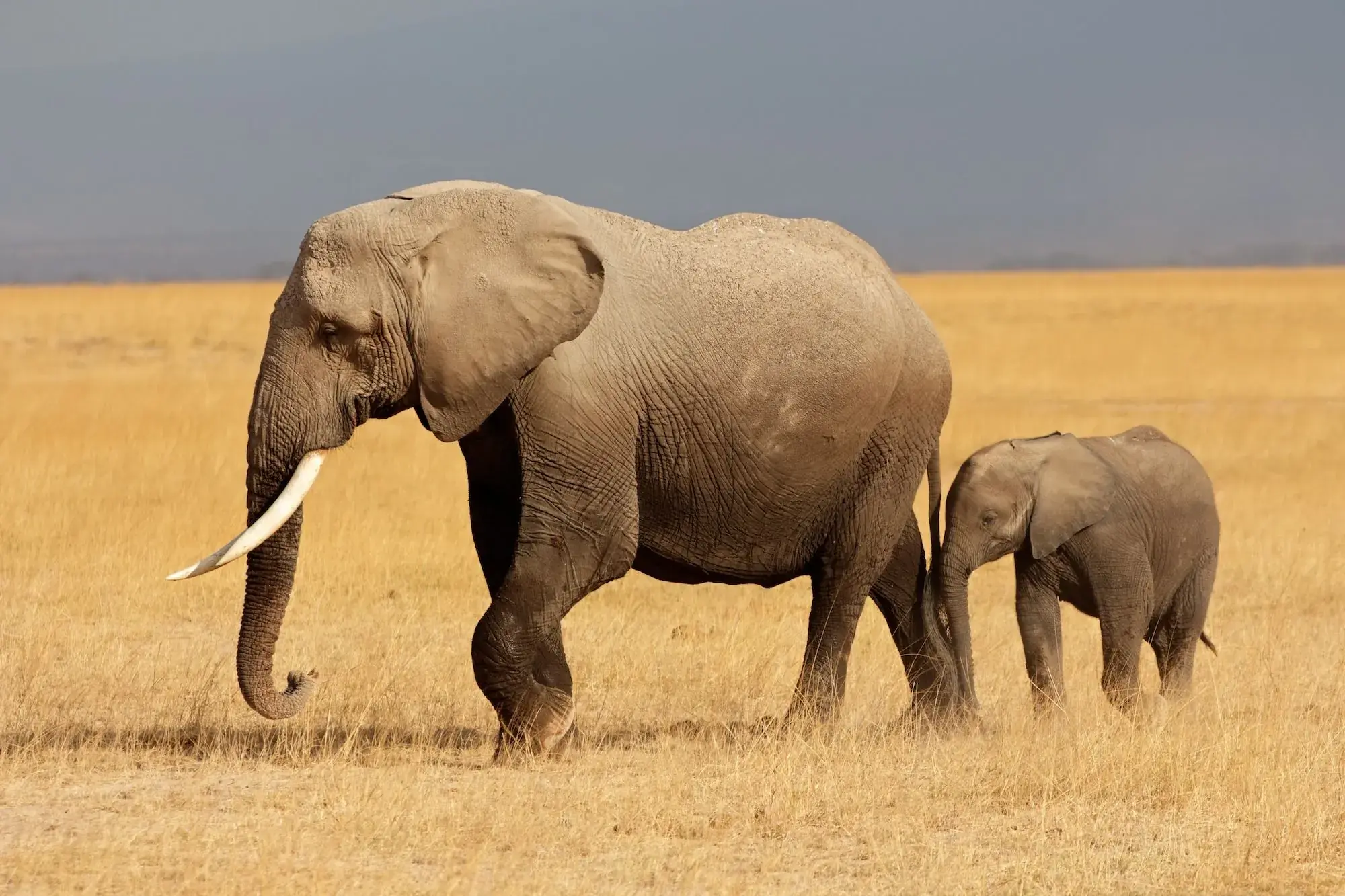 Best time to visit AmboseliWhen to visit Amboseli: the dry seasons (June–October and January–February) for clear Kilimanjaro views and big elephant herds, and the green months for lush, quiet plains. Your Africa, beautifully told.
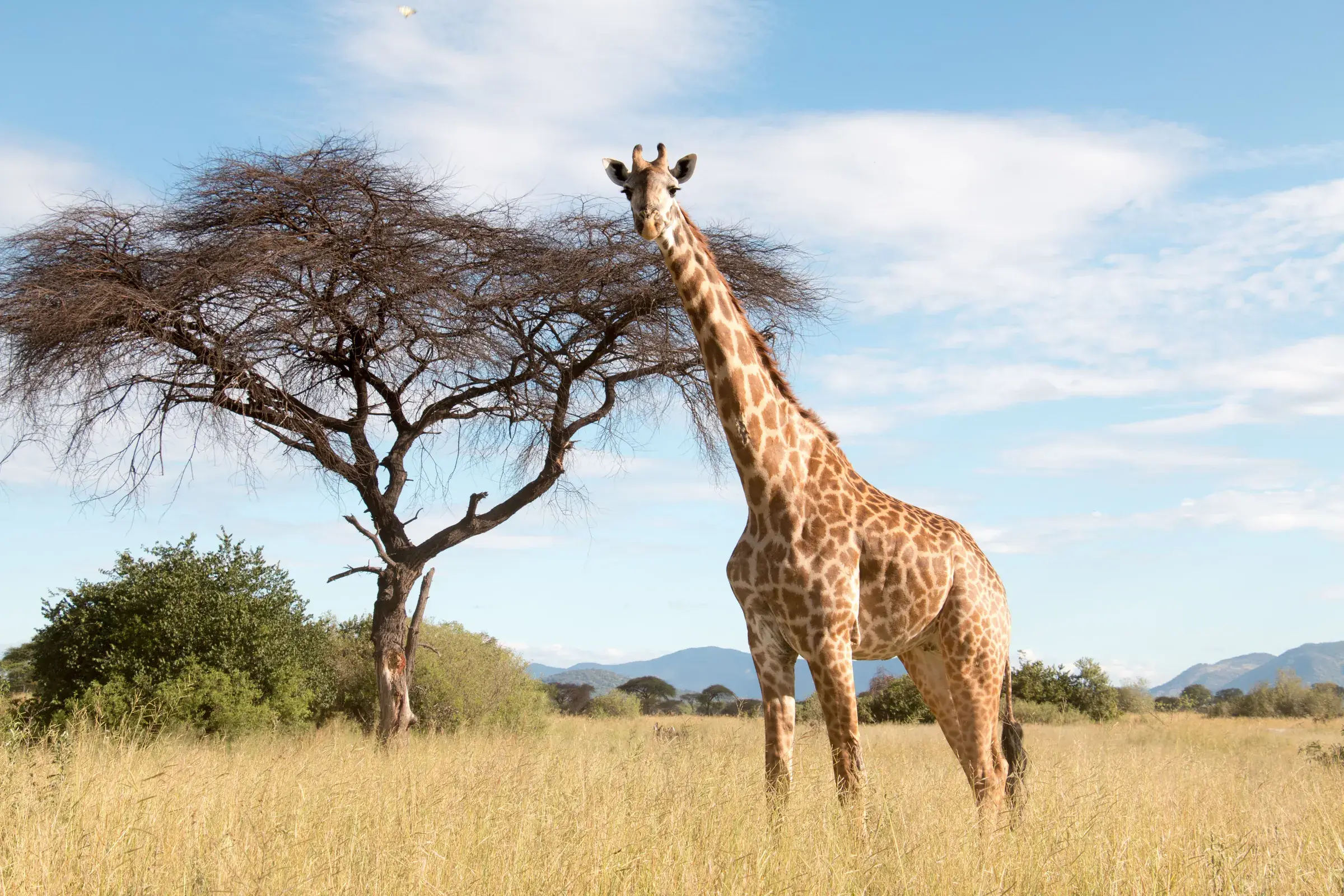 Best time to visit KenyaWhen to visit Kenya: the dry season (late June–October) for the migration and best game viewing, January–February for clear skies, and the green season for value and solitude. Your Africa, beautifully told.
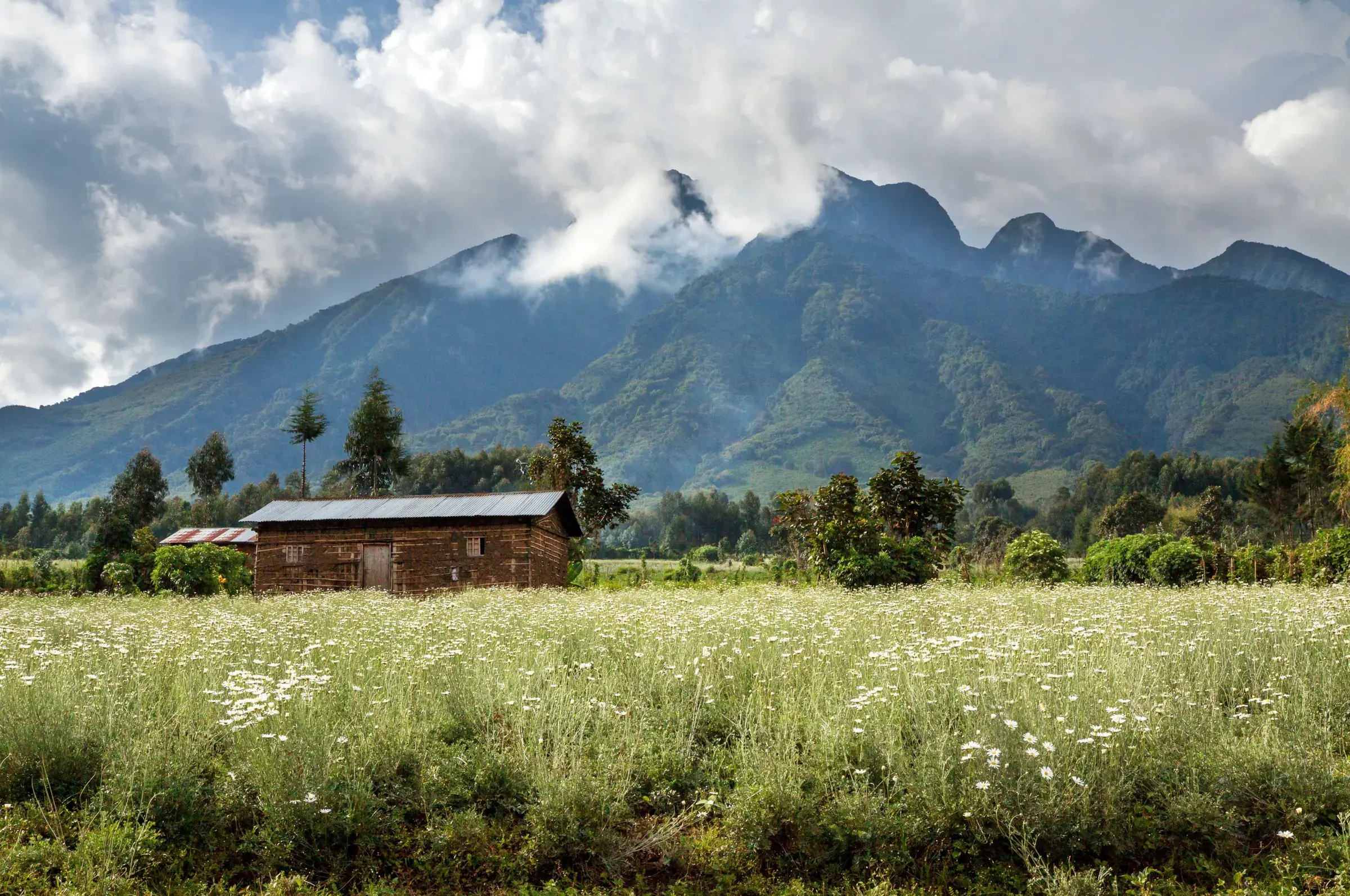 Best time to visit RwandaWhen to visit Rwanda: the long dry season (June–September) for gorilla trekking, December–February as a second window, and the green, quieter rains. Trekking runs year-round. Your Africa, beautifully told.