
Stories from the wild
Ethiopia safari
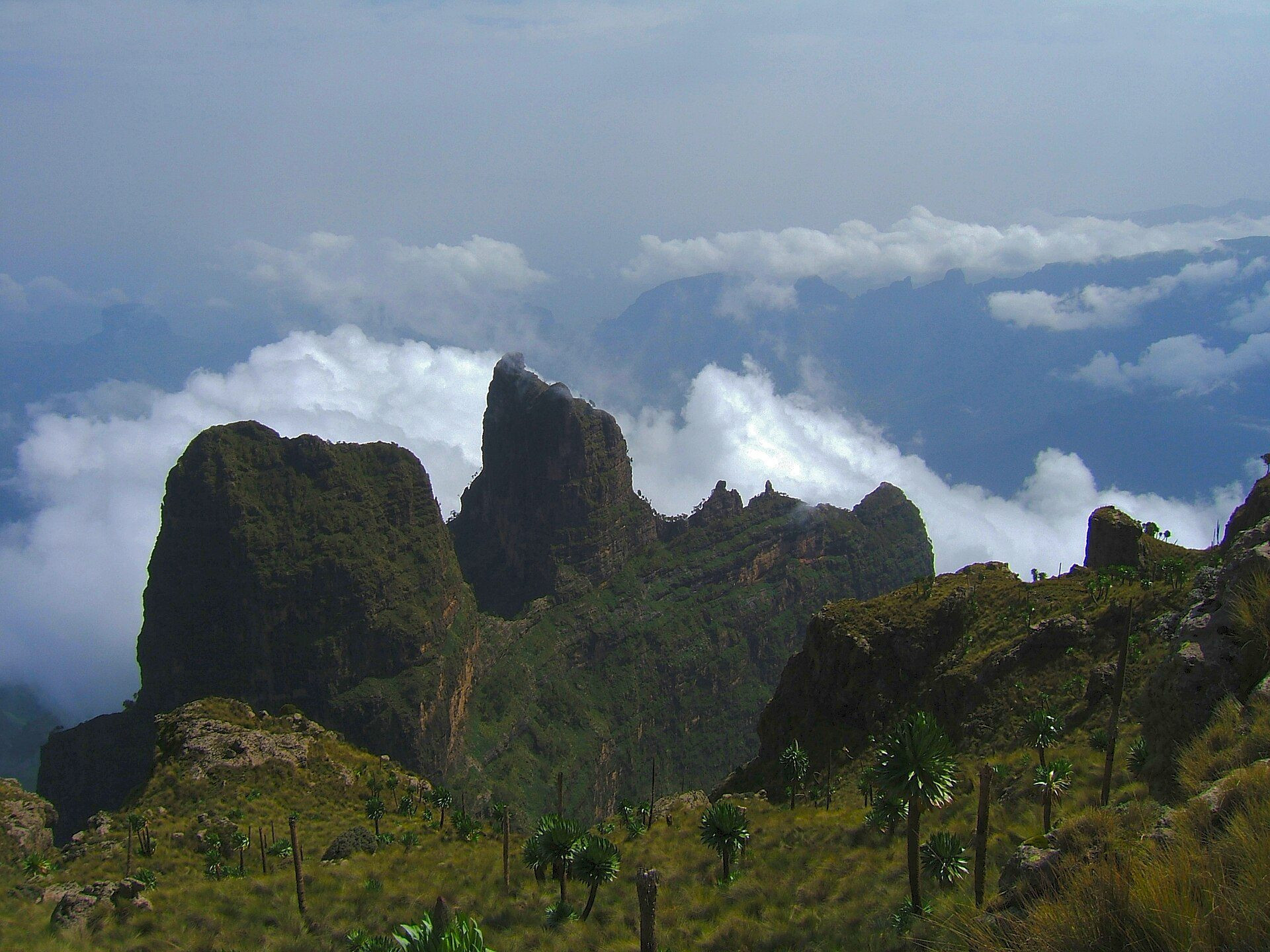
An Ethiopia safari is not a classic Big Five safari; it is a highland, endemic-wildlife and culture-led journey. The strongest routes combine the Simien Mountains, Bale Mountains, gelada monkeys, Ethiopian wolf, dramatic escarpments and ancient historic sites into a journey that feels unlike the rest of East Africa.
Written by Joseph Gathuru · Travel designer at Nobu Safaris
Intro
Ethiopia asks you to change the safari frame. This is not the Africa of open savannah alone, nor a journey built around lions and elephants. It is altitude, escarpment, monastery, wolf, coffee, old stone, highland light and the strange intimacy of gelada monkeys grazing like thoughts on a cliff edge.
For the right traveller, that difference is the point. Ethiopia is for people who want Africa's story to widen: wildlife, yes, but also deep history, endemic species, mountain landscapes and cultures shaped by a timeline far older than the safari industry.
The detail
The wildlife story begins in the highlands. The Simien Mountains are known for dramatic escarpments and gelada monkeys, whose social groups can be watched at close range as they graze and chatter across the slopes. The landscape feels almost theatrical: cliffs falling away, lammergeiers overhead, cold mornings and long views. It is safari as walking, watching and being still.
The Bale Mountains offer a different endemic world. This is one of the key landscapes associated with the Ethiopian wolf, one of Africa's rarest canids, along with high-altitude moorland, forest and unusual species. Travel here is more specialist than a mainstream safari, and conditions can be more variable, but the reward is a sense of being somewhere few travellers have properly understood.
Then there is the cultural route. Ethiopia's historic north — places such as Lalibela, Gondar and the wider highland circuit — brings churches, castles, markets, music, coffee and an ancient Christian heritage that changes the whole emotional register of the journey. A safari here can be as much about time and civilization as wildlife.
The important thing is expectation-setting. Ethiopia should not be sold as a substitute for Kenya or Tanzania. It is not where you go for a first classic Big Five experience. It is where you go when you want a rarer, more layered journey: walking and wildlife in the mountains, culture in the highlands, and a sense of Africa as old, complex and deeply distinct.
Logistics need care. Distances, altitude, road conditions and domestic flight schedules can all shape the experience. Accommodation can be characterful rather than ultra-polished. The route should allow time, because Ethiopia becomes more powerful when it is not rushed.
Key facts
Best for: highlands, endemic wildlife, ancient culture, walking, photography and returning travellers. Key wildlife: gelada monkeys in the Simien Mountains; Ethiopian wolf associated with Bale Mountains. Not for: a classic Big Five safari brief. Route style: specialist, paced, culture-and-nature combined. Pairs with: Rwanda or Uganda gorillas for primate depth, Kenya or Tanzania for classic big game, or a standalone Ethiopia journey for travellers drawn to the unusual.
Why Nobu for this
Nobu treats Ethiopia as its own story, not as an add-on with the wrong expectations. We design it for travellers who want texture: mountain air, old routes, endemic species, cultural depth and a slower, more reflective pace.
We also make the route honest. If you want lions and plains, we will point you elsewhere first. If you want a journey that feels ancient, high, unusual and deeply human, Ethiopia may be the most memorable choice in the region.
Suitability — "right for you if…"
An Ethiopia safari is right for you if you are curious, culturally engaged and excited by landscapes and species you will not find on a standard safari route. It suits walkers, photographers, history lovers, birders, returning safari travellers and people who want a journey with real intellectual and emotional depth.
It may be less right if this is your first safari and your dream is big cats, elephants and classic plains. In that case, Kenya or Tanzania should probably come first, with Ethiopia later as the journey that changes the category.
Related Nobu journeys
- Gorillas in the Mist — another specialist wildlife journey, pairing well for travellers drawn to rare encounters. → Explore
- The Wild North — for travellers who like remote landscapes and a less conventional East Africa. → Explore
- Shores of Zanzibar — a cultural-coastal contrast if you want heritage and the Indian Ocean after the highlands. → Explore
Common questions
- Is Ethiopia good for safari?
- Yes, but not in the classic Big Five sense. Ethiopia is best for highlands, endemic wildlife, walking, culture and history.
- What animals can you see in Ethiopia?
- Gelada monkeys are strongly associated with the Simien Mountains, and the Ethiopian wolf with Bale Mountains. Birdlife and highland species also matter.
- Is Ethiopia a good first safari?
- Usually not if your dream is classic savannah wildlife. It is better for curious travellers or return safari-goers wanting something different.
- Can Ethiopia combine with Kenya or Tanzania?
- It can, though the route needs care. Kenya or Tanzania can provide classic big game while Ethiopia adds highlands and culture.
- How many days do you need for Ethiopia?
- A meaningful route usually needs enough time for both wildlife landscapes and heritage stops; we would rather keep it focused than rush the country.
More stories
 Family safari KenyaA family safari in Kenya designed around children, pace, safety, space and wonder — from the Maasai Mara to Amboseli and the coast. Your Africa, beautifully told.
 Family safari TanzaniaA family safari in Tanzania — Serengeti drama, Ngorongoro wildlife, Tarangire elephants and a Zanzibar finish, designed at a child's pace. Your Africa, beautifully told.
 First-time safariPlanning your first safari? Learn where to go, how long to travel, what the days feel like and how Nobu designs a first journey with calm confidence.