
Stories from the wild
First-time safari
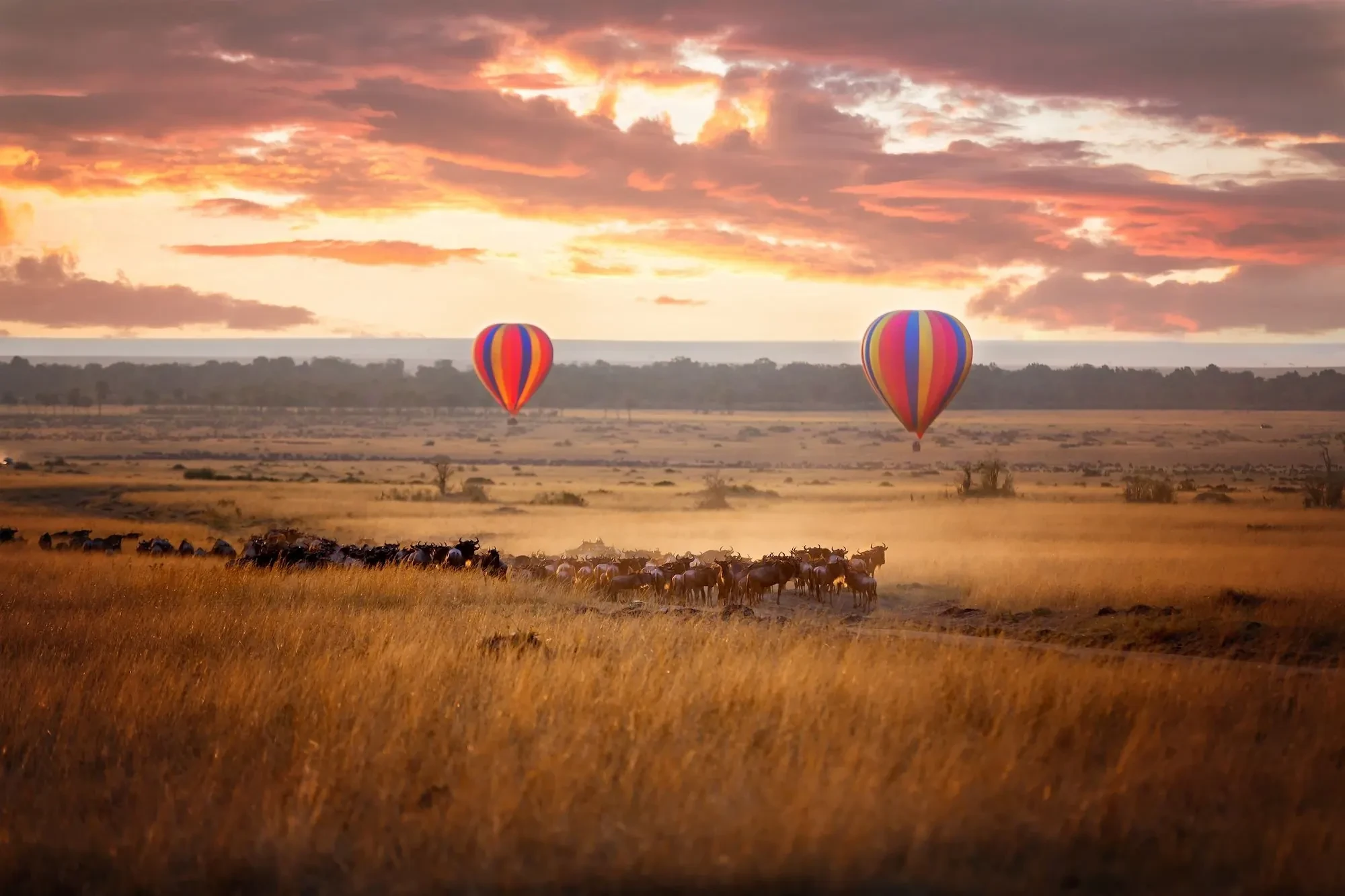
A first-time safari is best kept clear, well paced and wildlife-rich: choose one or two strong areas, stay long enough to settle, and travel with guiding and support that remove the unknowns. Kenya and Tanzania are natural first choices, while Uganda or Rwanda add gorillas for travellers who want a more adventurous first journey.
Written by Joseph Gathuru · Travel designer at Nobu Safaris
Intro
Your first safari carries a particular kind of anticipation. You have seen the images for years — lions in long grass, elephants against a mountain, a campfire under impossible stars — but the practical questions arrive quickly. Where should you go first? How long is enough? Will the days be tiring? What happens between camps? How close do you get to the animals? What should you pack?
A good first safari answers those questions before they become anxiety. It does not try to show you everything. It gives you a clear shape, a strong wildlife foundation and enough breathing room to let the journey become real. The first elephant is not a checklist moment. It is the moment the map becomes alive.
The detail
For most first-time travellers, the safest foundation is Kenya or Tanzania. Kenya gives a beautifully accessible introduction: the Maasai Mara for big cats and plains game, Amboseli for elephants and Kilimanjaro views, Laikipia for conservancy texture, and the coast if you want to end softly. Tanzania gives scale: the Serengeti, Ngorongoro Crater, Tarangire and, if time allows, Zanzibar.
The best first safari is usually not too complicated. One exceptional area is better than four rushed ones. Two complementary areas can be ideal: Mara plus Amboseli, Serengeti plus Ngorongoro, or a safari-and-beach pairing that gives the journey a natural close. If you add too many flights, transfers and camps, the trip starts to feel like movement rather than immersion.
Safari days have a rhythm. You often rise early, when the air is cool and animals are active. There may be a morning game drive, a long rest through the heat of the day, and an evening drive as the light warms again. In private conservancies, walking or night drives may be possible where permitted. Meals are part of the pleasure: coffee before dawn, breakfast in the bush, lunch in camp, dinner with the day's sightings still alive in conversation.
Comfort level matters too. Some first-timers want classic tented romance; others want the reassurance of a lodge with more structure. Families may need shorter drives and a pool. Nervous travellers may prefer fewer camp changes. Photographers may want a private vehicle from the beginning. Your first safari should feel adventurous, but never bewildering.
Key facts
Best first safari countries: Kenya and Tanzania for classic big game; Uganda or Rwanda if gorillas are central. Ideal length: roughly seven to ten nights for a full first safari, shorter if paired carefully with Nairobi or the coast. Best shape: one or two strong wildlife areas, not an overfilled map. Good first routes: Mara + Amboseli, Serengeti + Ngorongoro, Mara + coast, or a guided Kenya family route. Most important ingredients: guiding, pacing, realistic travel times and clear inclusions.
Why Nobu for this
Nobu designs first safaris with reassurance built in. We explain the trade-offs before you choose: Kenya or Tanzania, road or fly-in, private or shared guiding, peak season or green season, safari-only or bush-and-beach. The aim is not to overwhelm you with options, but to shape the few choices that matter.
We also design for the feeling of being new to Africa. That may mean a slower first camp, a guide who is especially good with first-timers, a route that avoids unnecessary transfers, or a final beach stay where the journey can settle. We want you to feel held enough to be fully present.
Suitability — "right for you if…"
This is right for you if you are planning your first safari and want to understand the shape before you commit. It suits couples, families, solo travellers and friends who want a classic, supported introduction without feeling herded through a standard route.
If you already know exactly which rare species, remote region or expedition style you want, a more specialist journey may fit better. But even then, the principles are the same: good guiding, enough time and a route with a reason.
Related Nobu journeys
- Mara & Amboseli Classic — a strong first Kenya route: big cats, elephants and Kilimanjaro views. → Explore
- The Great Migration Circuit — a Tanzania-first route for Serengeti scale and Ngorongoro density. → Explore
- Bush to Beach — a first safari with a soft Indian Ocean finish. → Explore
Common questions
- Where should I go on my first safari?
- Kenya and Tanzania are the clearest first choices because they combine strong wildlife, good guiding and well-established routes.
- How many days do you need for a first safari?
- Seven to ten nights is a strong range for a proper first safari; shorter trips can work if the route is simple and focused.
- Is safari tiring?
- It can involve early starts, but the day has natural rest built in. We shape the pace around your energy, comfort level and travel style.
- Should first-timers choose a private vehicle?
- It is not essential, but it helps if you want flexibility, photography time, family pacing or a quieter experience.
- Can a first safari include the beach?
- Yes. Kenya and Tanzania both pair beautifully with Zanzibar or the Kenyan coast, giving the journey a relaxed finish.
More stories
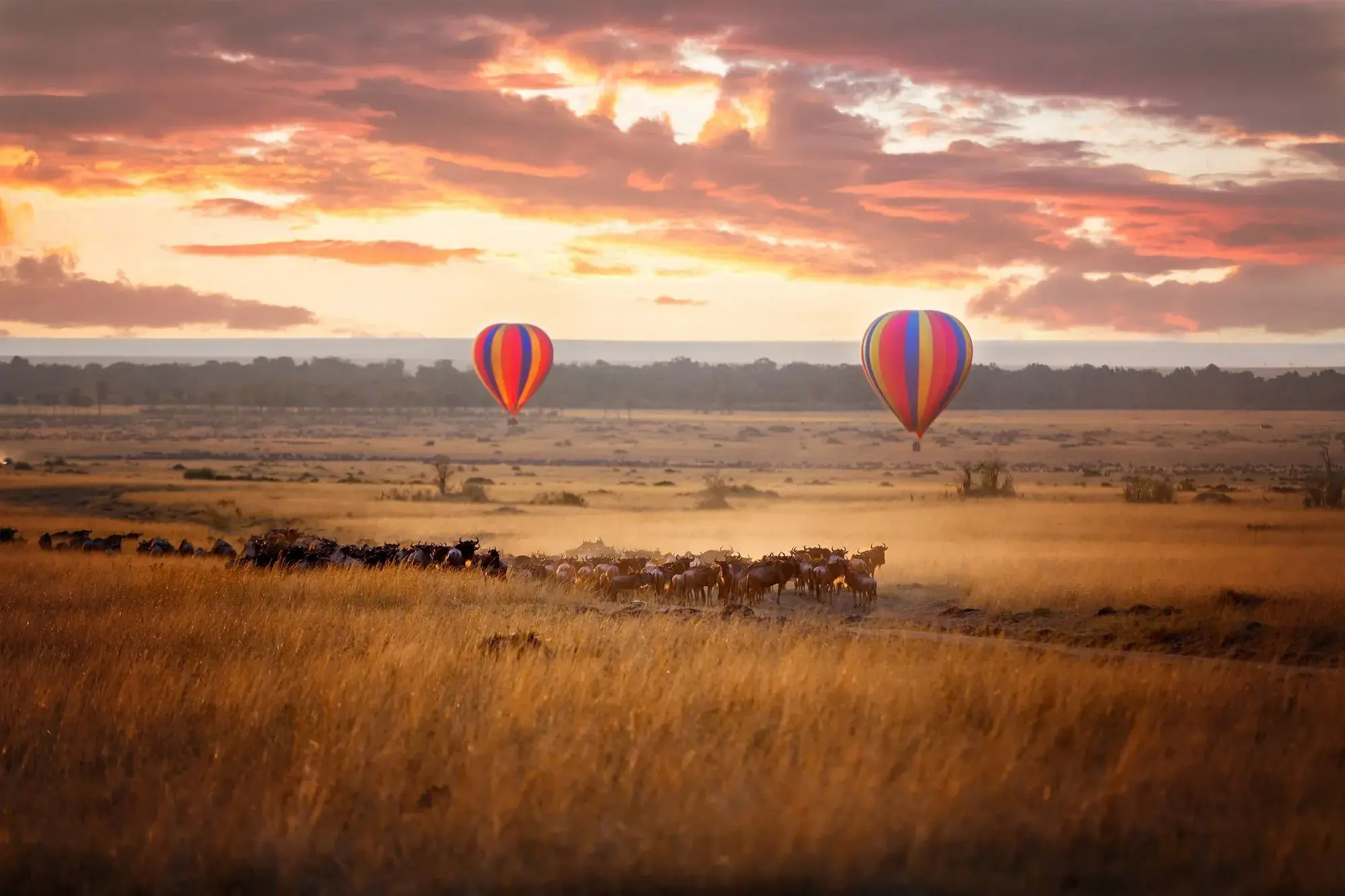 Green season safariA green season safari in East Africa — lush landscapes, newborn wildlife, dramatic skies, superb birding and fewer travellers. Your Africa, beautifully told.
- Group & small-group safariA group safari designed for friends, families and small groups — private vehicles, clear pacing, shared stays and routes that work for everyone. Your Africa, beautifully told.
- Honeymoon safariA honeymoon safari or special-occasion journey across East Africa — private camps, beautiful pacing, wild mornings and an Indian Ocean close. Your Africa, beautifully told.