
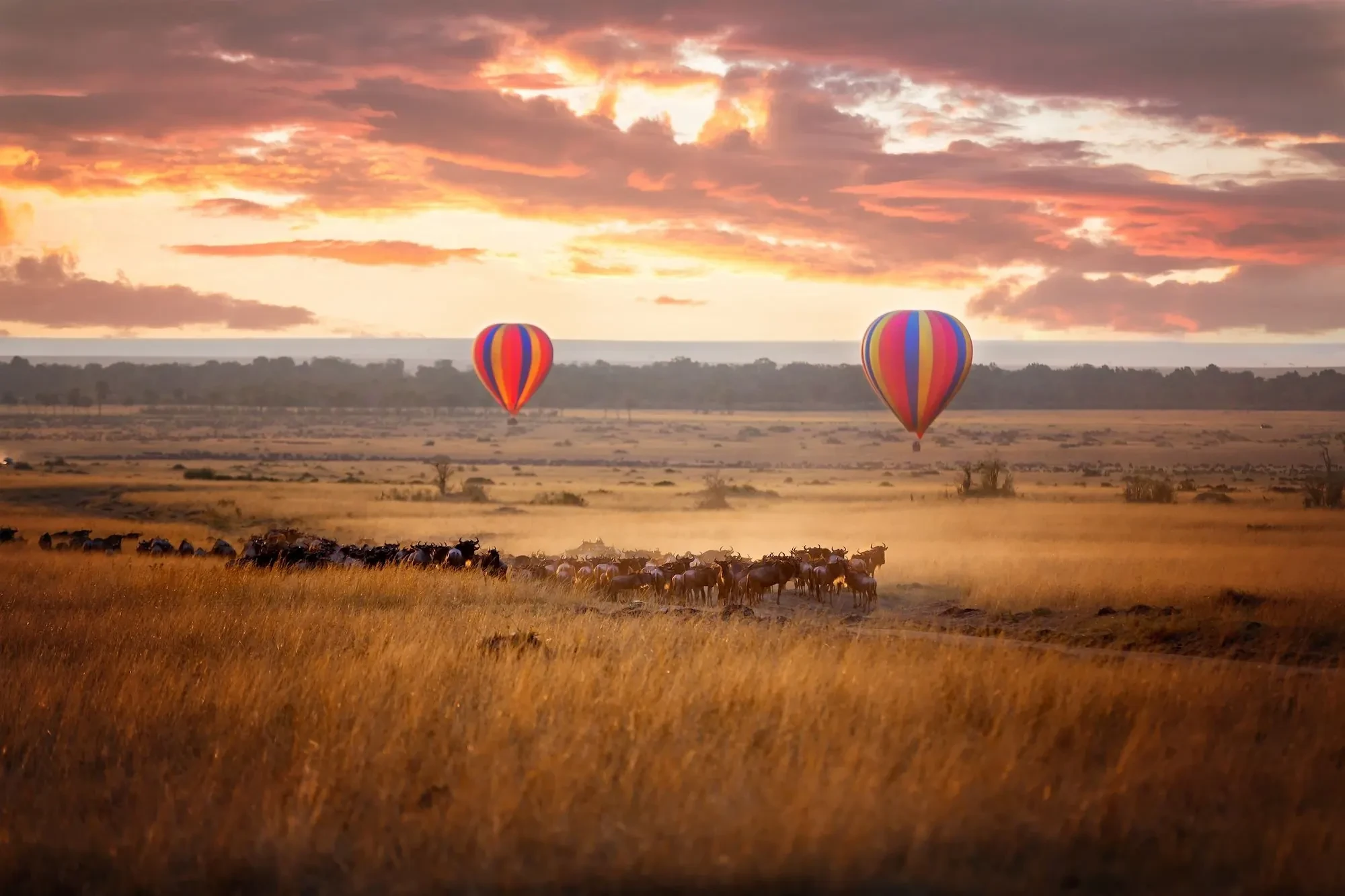
Stories from the wild
Cultural safari & Maasai village visits
A cultural safari weaves genuine encounters with East Africa's communities — Maasai and Samburu in Kenya especially — into a wildlife journey. Done well, a Maasai village visit is a real exchange on terms of respect, not a staged performance; the difference is who arranges it, who benefits and how the visit is framed.
Written by Joseph Gathuru · Travel designer at Nobu Safaris
Intro
The wildlife is only half of East Africa's story. The people, languages, cattle tracks, beadwork, songs, markets, farms, cities and old trade routes are the other half. A cultural safari makes space for that human landscape without turning it into a sideshow.
That distinction matters. A respectful cultural encounter should feel mutual: hosted, consented, fairly arranged and connected to real lives. It should never feel like travellers arriving to collect a photograph and leave. When it is done well, it deepens the whole journey. The land becomes inhabited, not only scenic.
The detail
In Kenya, many cultural safaris include time with Maasai or Samburu communities, especially around the Mara, Amboseli, Laikipia and the northern rangelands. A village visit can be meaningful when it is arranged properly: the community knows who is coming, the purpose is clear, payment is transparent and the encounter is not rushed into a performance. The best moments are often quieter than travellers expect: a conversation with a guide about cattle and land, a walk that explains plants and tracks, a visit to a school or community project only where appropriate and welcomed.
Culture also appears through guiding. A guide whose family has lived with a landscape for generations can show you more than wildlife. They can explain names, seasonal movements, grazing patterns, medicinal plants, local histories and the etiquette of moving through someone's home ground. Sometimes that depth is more powerful than a formal visit.
Beyond Kenya, the cultural story changes shape. Ethiopia offers a completely different register: highland churches, ancient routes, endemic wildlife, coffee, music and deep historical layers. The Swahili coast brings dhow culture, carved doors, spice, Islam, Indian Ocean trade and the old towns of Lamu, Mombasa and Zanzibar. Uganda and Rwanda bring community, conservation and primate landscapes together in ways that need careful, local handling.
The responsibility is to avoid flattening any of this into a single idea of "African culture." East Africa is not one culture, and no one community exists for tourism. We design cultural time with humility, asking what the traveller wants to understand and what kind of encounter is appropriate for the place.
Key facts
Where: Maasai and Samburu communities in Kenya; Swahili coast culture in Lamu, Mombasa, Diani, Watamu and Zanzibar; deeper heritage routes in Ethiopia; community-linked conservation in Rwanda and Uganda. What: village visits, guided walks, community-hosted encounters, heritage towns, markets, craft, food and story-led guiding. Principle: respect, consent, fair benefit and no spectacle. Pairs with: walking safaris, self-drive, northern Kenya, Ethiopia and coast journeys.
Why Nobu for this
Nobu's rule is simple: culture belongs in the journey only when it is invited, respectful and worth both sides' time. We avoid encounters that feel staged or extractive. We prefer guides and hosts who can speak honestly about their own place, and we build cultural time into the route rather than adding it as a decorative stop.
We also make culture personal. Some travellers want Maasai or Samburu context alongside wildlife. Others want Swahili coast history, Ethiopia's old routes, food, music, craft or conservation-linked community work. We listen for the kind of understanding you are seeking, then choose the encounter that fits.
Suitability — "right for you if…"
A cultural safari is right for you if you want to understand the places you travel through, not just photograph the wildlife. It suits curious travellers, families with thoughtful children, return safari-goers, self-drive explorers and anyone who wants people and landscape held together.
It may be less right if you want a quick photo stop or a simplified version of culture. Nobu's approach is slower and more respectful. Sometimes the best cultural encounter is not the most visually obvious one; it is the conversation that changes how you see the land.
Related Nobu journeys
- Into the Wild Mara — Maasai country, with culture woven in thoughtfully where appropriate. → Explore
- The Wild North — Samburu, Meru and northern Kenya texture, especially strong for landscape and community context. → Explore
- Shores of Zanzibar — Swahili coast culture, Stone Town and the Indian Ocean told at a slower pace. → Explore
Common questions
- What is a cultural safari?
- A wildlife journey that includes respectful, hosted encounters with local communities, heritage, guiding, food, craft or history.
- Are Maasai village visits authentic?
- They can be when arranged with consent, clear benefit and time for genuine exchange. We avoid rushed or staged visits that reduce people to performance.
- Where can you experience culture beyond the Maasai?
- Samburu in northern Kenya, Swahili culture on the coast, Ethiopia's historic routes, and community-linked conservation contexts in Rwanda and Uganda.
- Can cultural encounters work for families?
- Yes, if they are age-appropriate and respectful. Children often respond strongly to meeting people through story, food, walking and everyday life.
- How does Nobu avoid exploitative visits?
- By working through trusted local hosts, clarifying benefit, avoiding spectacle and only including encounters that make sense for both traveller and community.
More stories
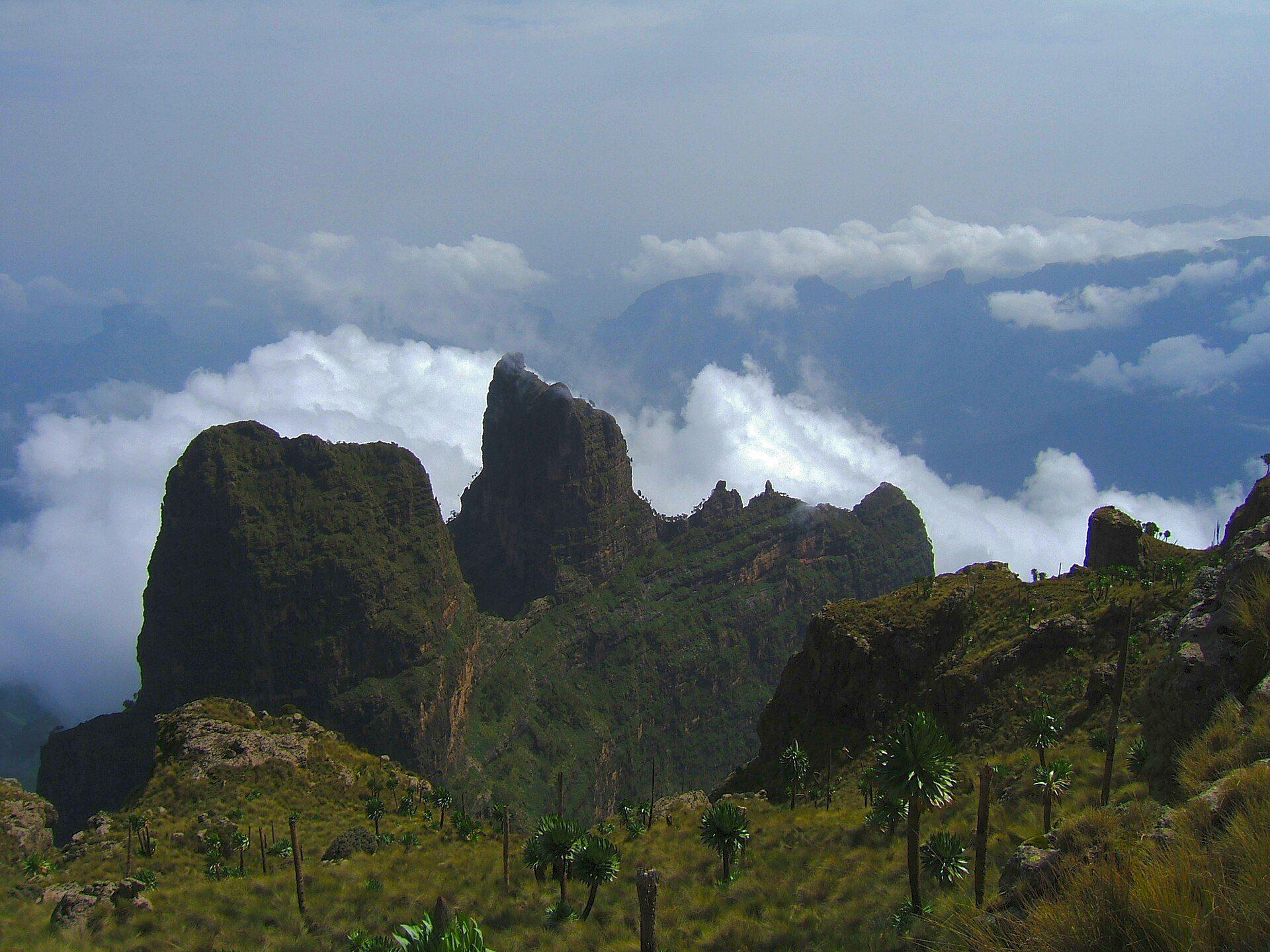 Ethiopia safariAn Ethiopia safari is different: Simien and Bale Mountains, gelada monkeys, Ethiopian wolf, highland trekking and ancient cultural routes. Your Africa, beautifully told.
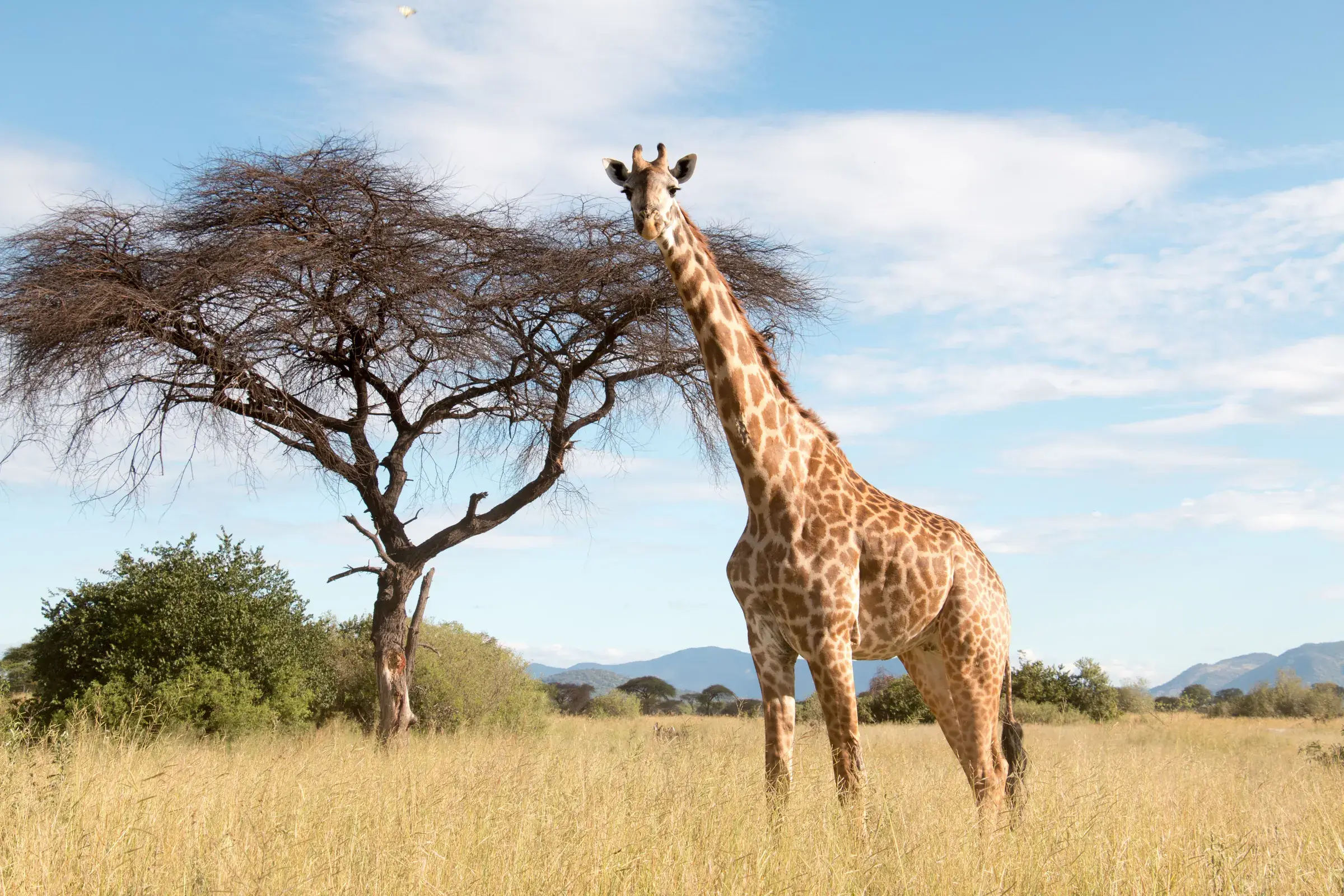 Family safari KenyaA family safari in Kenya designed around children, pace, safety, space and wonder — from the Maasai Mara to Amboseli and the coast. Your Africa, beautifully told.
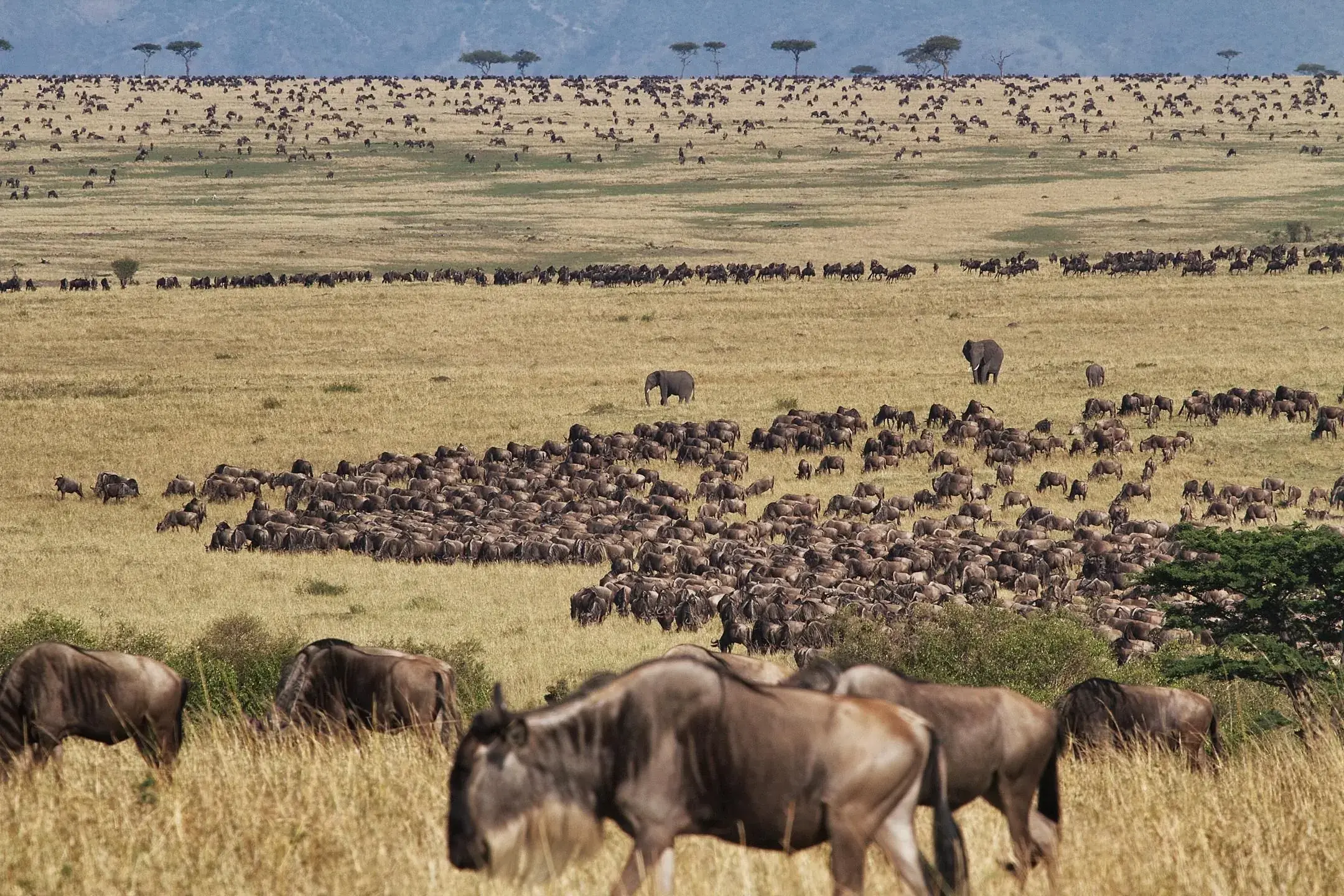 Family safari TanzaniaA family safari in Tanzania — Serengeti drama, Ngorongoro wildlife, Tarangire elephants and a Zanzibar finish, designed at a child's pace. Your Africa, beautifully told.