
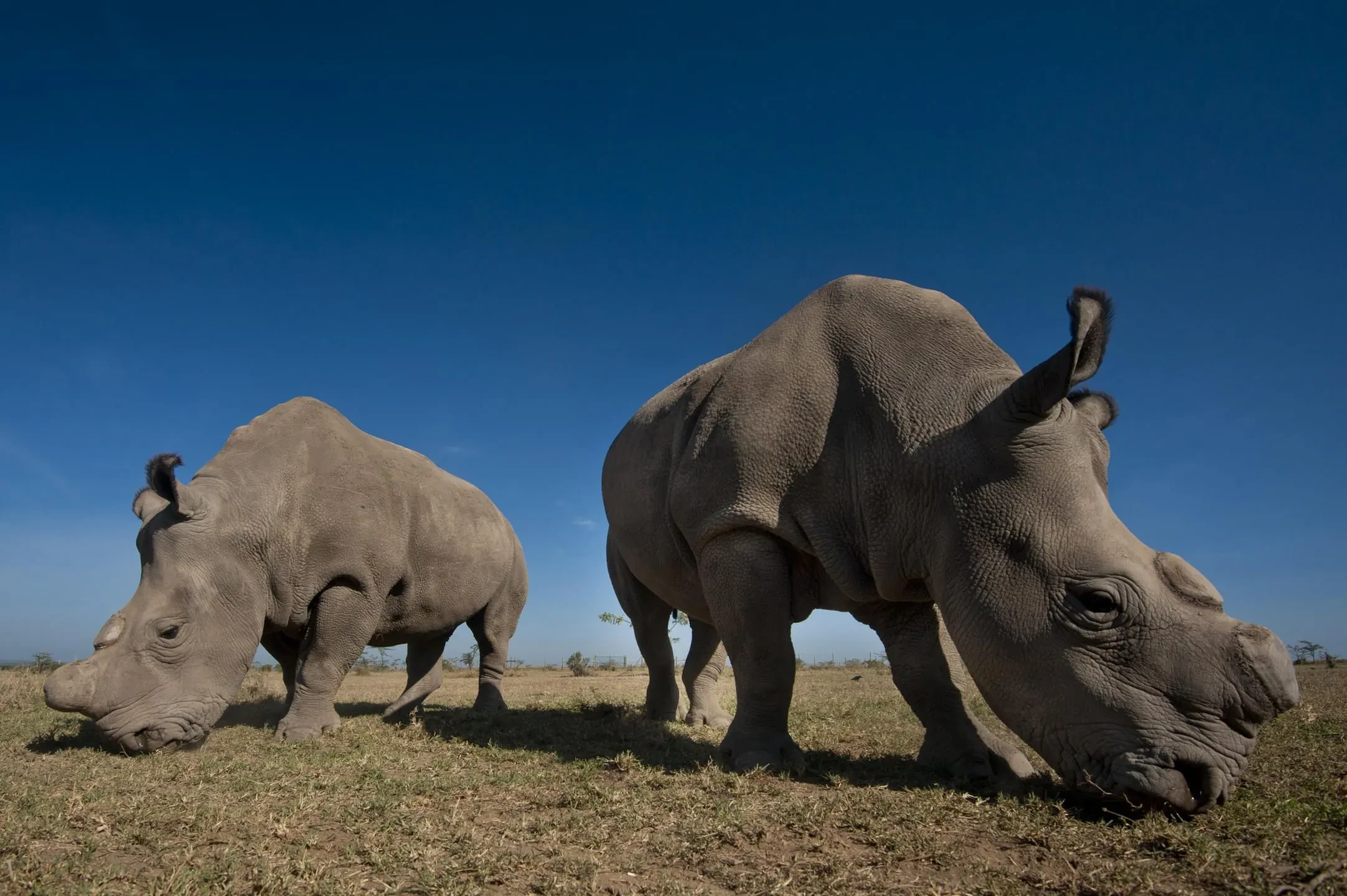
Signature journey · from 4 nights
Conservancy & Rhino
Conservancy & Rhino is a tailored safari journey through Kenya's Laikipia plateau — Ol Pejeta, Lewa and Solio — designed by Nobu around the individual traveller. Built around Africa's most important rhino strongholds and the private-conservancy model of low-density, low-impact wildlife travel, available across comfort levels from Essential to Private Collection.
Narrative introduction
There are places where you watch wildlife, and places where you feel the weight of what it took to keep it alive. Laikipia is the second kind. On these high, golden plains beneath Mount Kenya, the private conservancies have done something quietly extraordinary — turned ranchland into refuge, and given the rhino, the most pressured animal in Africa, somewhere to simply be. To stand near one here is to stand inside a conservation story still being written.
Conservancy & Rhino moves between Laikipia's great names — Ol Pejeta, the largest black rhino sanctuary in East Africa; Lewa, a UNESCO-listed wildlife conservancy; Solio, the legendary rhino reserve cradled between the Aberdares and Mount Kenya. Because these are private land, the rules are different here: far fewer vehicles, the freedom to track on foot, to ride, to follow the wild after dark. The crowds of the public parks fall away, and the country opens up.
This is the wild met up close, and with purpose — rare animals, rare access, and the quiet satisfaction of travel that helps hold the line.
Experience moments
- Eye to eye with rhino — Track black and white rhino across open plains, close enough to hear them breathe.
- The conservancy difference — Few vehicles, vast private land, and the freedom to leave the road.
- On foot among giants — Walk with an armed guide where the wild reads back at walking pace.
- Mount Kenya on the skyline — Plains that run gold to the foot of Africa's second-highest peak.
- Behind the conservation — Meet the rangers and the work — and understand why your visit matters.
- Firelight and high plains — End each day where the air is cool and the stars come down close.
How you'll travel
Laikipia is the home of the conservancy lodge — owner-run houses and intimate camps set on the land they protect, where staying is part of the conservation. From an Essential tented camp with the plains at the door to a Private Collection house with a guide, a vehicle and a stretch of wilderness effectively your own, each stay is chosen for the story and the access it adds. Here, where you sleep shapes what you can do — walk, ride, track after dark — so we place you with intent.
Make it yours
Spend a morning with an anti-poaching team or a rhino-monitoring patrol. Add horseback or camel hours across the plains. Bring a specialist guide for big-cat or birding days. Pair Laikipia with Samburu's northern country next door, or with the Mara for the full sweep of Kenya. Families do well here — many conservancies are malaria-lighter and built for unhurried days.
The rhythm of the journey
- Arrive on the plateau — Fly into Laikipia by light aircraft, Mount Kenya rising as you land. Settle in; an evening drive as the light goes gold.
- Into rhino country — Full days across Ol Pejeta or Solio — black and white rhino, the freedom to track on foot, the conservation work up close.
- Lewa and the wider conservancy — Move to Lewa or a neighbouring conservancy — walking, riding, low-density game viewing on private land.
- Deeper, or wider — A patrol morning, a ride at dawn, or quiet time at a single waterhole — shaped to what moves you.
- A last morning — One more high-plains sunrise before you fly out, or continue north to Samburu or on to the Mara.
Most travellers spend 3–5 nights across the conservancies. We'll shape the exact rhythm around you.
What's included
Typically included: all conservancy and park fees · expert driver-guide · 4x4 safari vehicle · accommodation at your chosen tier · meals as specified per camp · internal light-aircraft flights and transfers as routed · drinking water and game drives.
Not included: international flights · visas and travel insurance · premium drinks · gratuities · optional add-ons (private guide, horse riding, ranger experiences). Every journey is quoted in full, with no surprises.
What it costs
Conservancy & Rhino is designed bespoke, so the price reflects your journey — not a fixed tier. Private conservancies sit at the premium end of Kenya travel, because low vehicle numbers and conservation fees are the point of them. Your quote is built from live rates, season, group size, routing, guiding, permits and accommodation tier. We'll give you a clear, all-in quote before you commit.
Laikipia, in context
Laikipia is a high plateau in central Kenya, north-west of Mount Kenya, made up largely of private and community conservancies rather than national parks. It has become one of Africa's most important refuges for rhino: Ol Pejeta is the largest black rhino sanctuary in East Africa and home to the world's last two northern white rhino, while Lewa is a UNESCO World Heritage-listed wildlife conservancy and Solio a long-established private rhino reserve. Because the land is private, conservancies cap vehicle numbers and permit walking, riding and night drives — experiences the public parks can't offer. Wildlife is good year-round; the drier months (roughly June to October and January to February) make tracking easiest. Nobu designs Laikipia journeys — typically three to five nights — for travellers who want rare animals, rare access and conservation with substance.
Related journeys
- The Wild North — Samburu's red earth and northern species, the natural step on from Laikipia. → Explore
- On Foot & in the Saddle — walking and horseback safaris, much of it on these same conservancies. → Explore
- Into the Wild Mara — pair high-plains conservation with the Mara's big-cat country. → Explore
Trust reinforcement
A licensed Kenyan tour operator with our own guides and 4x4 fleet, 24-hour on-safari support and financial protection on every journey. We work directly with the conservancies, so your days on private land — walking, tracking, riding — are arranged properly and your fees reach the wildlife they protect.
Common questions
- Eye to eye with rhino
- Track black and white rhino across open plains, close enough to hear them breathe.
- The conservancy difference
- Few vehicles, vast private land, and the freedom to leave the road.
- On foot among giants
- Walk with an armed guide where the wild reads back at walking pace.
- Mount Kenya on the skyline
- Plains that run gold to the foot of Africa's second-highest peak.
- Behind the conservation
- Meet the rangers and the work — and understand why your visit matters.
- Firelight and high plains
- End each day where the air is cool and the stars come down close.
- Arrive on the plateau
- Fly into Laikipia by light aircraft, Mount Kenya rising as you land. Settle in; an evening drive as the light goes gold.
- Into rhino country
- Full days across Ol Pejeta or Solio — black and white rhino, the freedom to track on foot, the conservation work up close.
- Lewa and the wider conservancy
- Move to Lewa or a neighbouring conservancy — walking, riding, low-density game viewing on private land.
- Deeper, or wider
- A patrol morning, a ride at dawn, or quiet time at a single waterhole — shaped to what moves you.
- A last morning
- One more high-plains sunrise before you fly out, or continue north to Samburu or on to the Mara.
- Where is the best place to see rhino in Kenya?
- Laikipia's conservancies — Ol Pejeta, Lewa and Solio — hold some of the highest concentrations of black and white rhino in East Africa, with the access and low vehicle numbers that make sightings unhurried.
- What is a conservancy, and how is it different from a national park?
- Conservancies are privately or community-owned protected areas. They cap vehicle numbers and allow walking, riding and night drives, so the experience is quieter and more flexible than in the public parks — though fees are higher, and go toward conservation.
- Can you see the last northern white rhinos?
- The world's last two northern white rhino live under 24-hour protection at Ol Pejeta; visits to meet them can usually be arranged as part of a Laikipia journey.
- Is Laikipia good for families?
- Yes. Many conservancy lodges are built for families and unhurried days, and parts of Laikipia carry lower malaria risk than the lowland parks. We'll advise on the right camps and timing.
- The Wild North
- Samburu's red earth and northern species, the natural step on from Laikipia. → [Explore](/journeys/the-wild-north)
- On Foot & in the Saddle
- walking and horseback safaris, much of it on these same conservancies. → [Explore](/journeys/on-foot-and-in-the-saddle)
- Into the Wild Mara
- pair high-plains conservation with the Mara's big-cat country. → [Explore](/journeys/into-the-wild-mara)
More journeys to start from
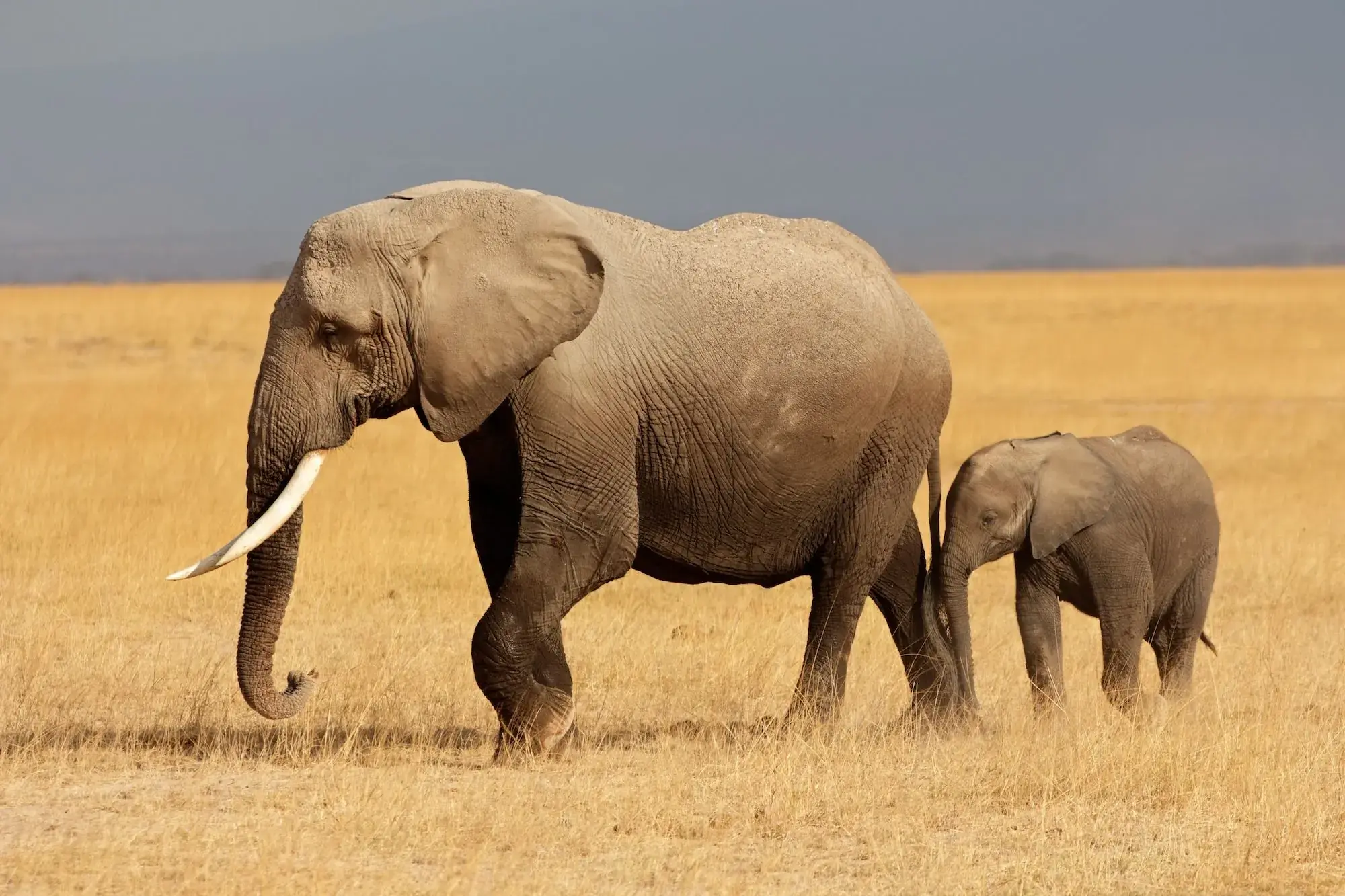 from 6 nightsElephants & the MountainAn elephant-led Kenya safari beneath Kilimanjaro, designed around you — Amboseli's great herds, the Chyulu Hills and the open Tsavo country. Your Africa, beautifully told.
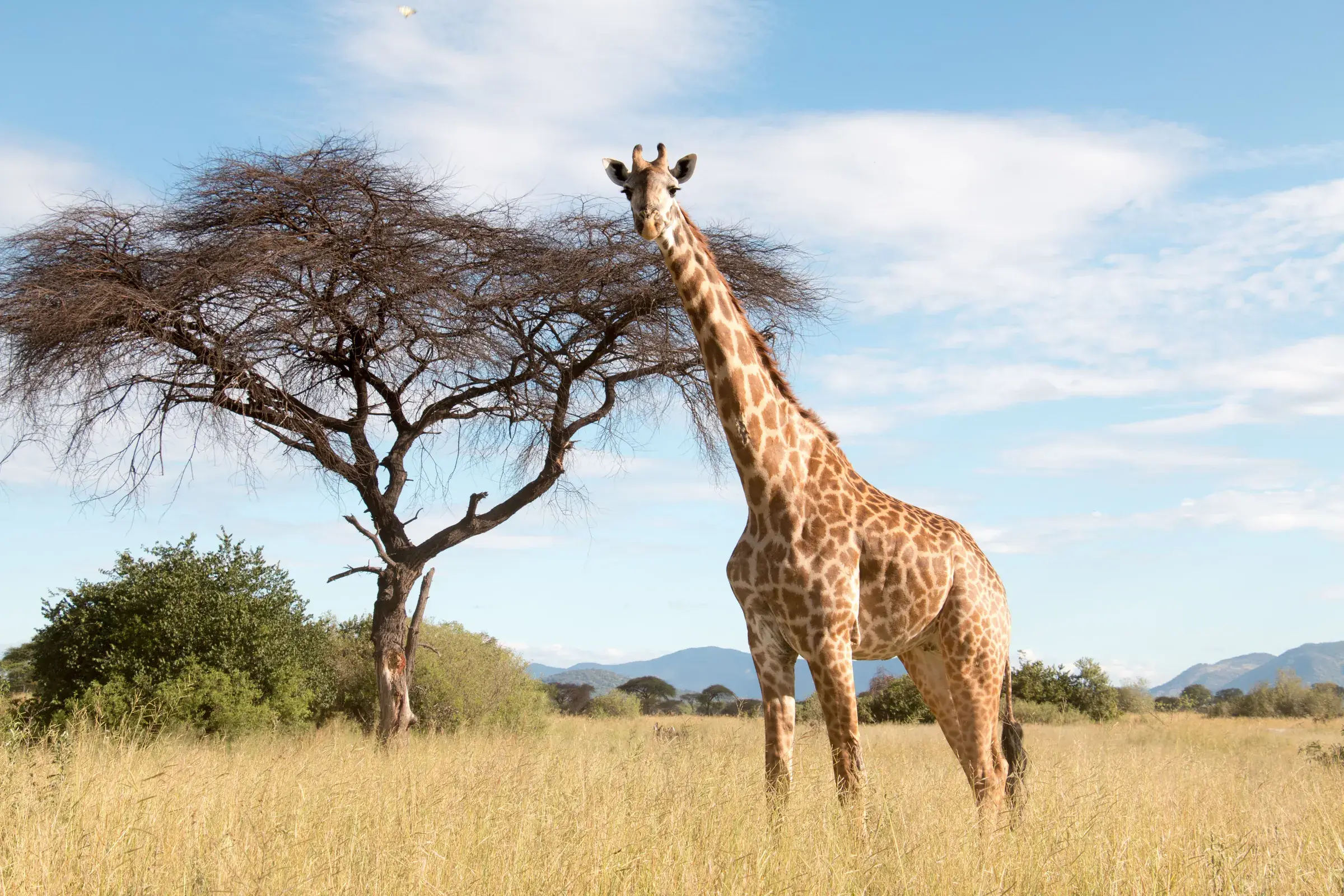 from 7 nightsEvery Explorer KenyaA mobility-conscious Kenya safari designed around you - private pacing, carefully chosen stays and wild moments shaped around real access needs. Your Africa, beautifully told.
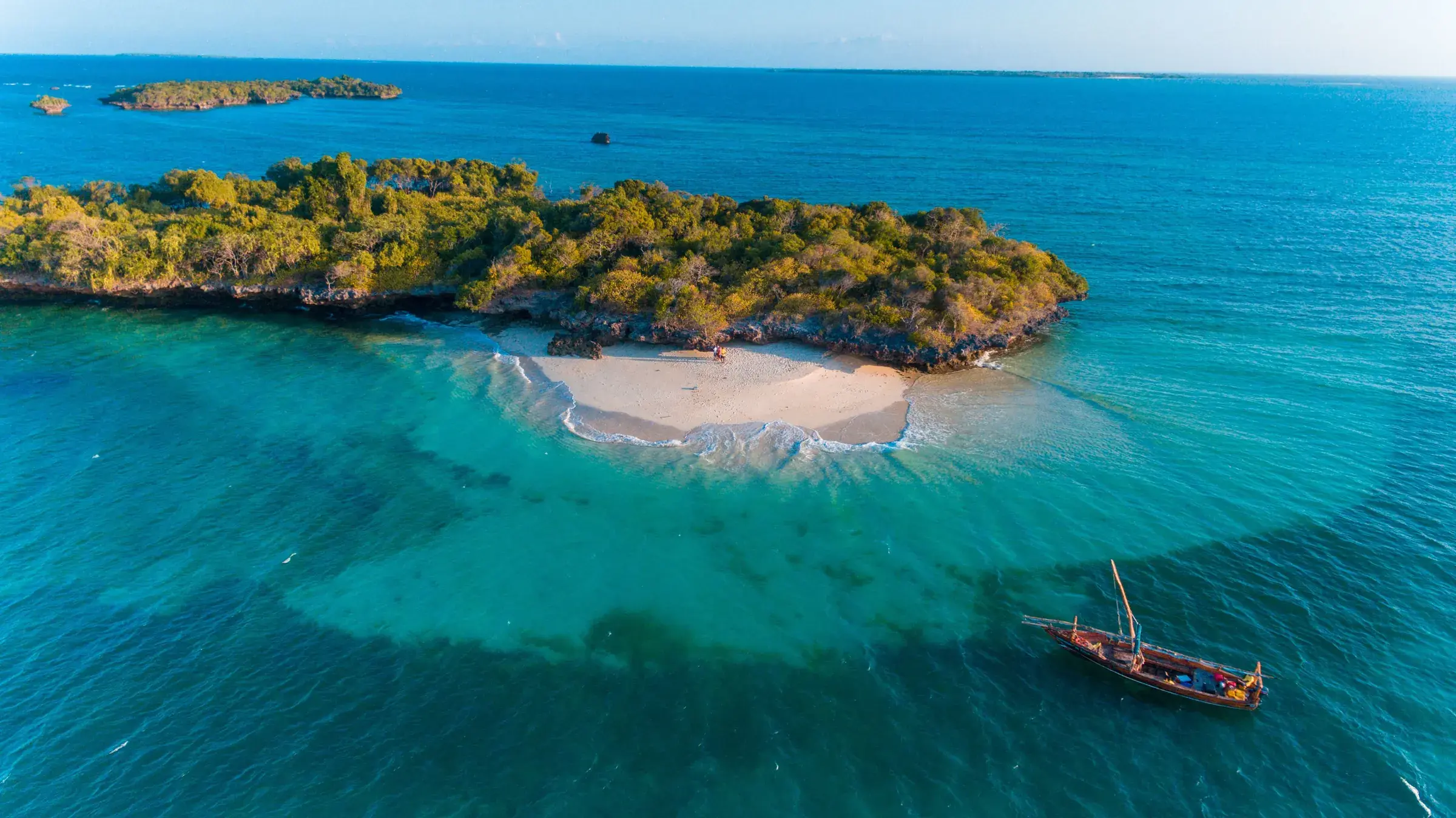 from 10 nightsFamily Plains & CoastA family safari-and-coast journey designed around you - private guiding, child-aware pacing, big wildlife and an Indian Ocean finish. Your Africa, beautifully told.