
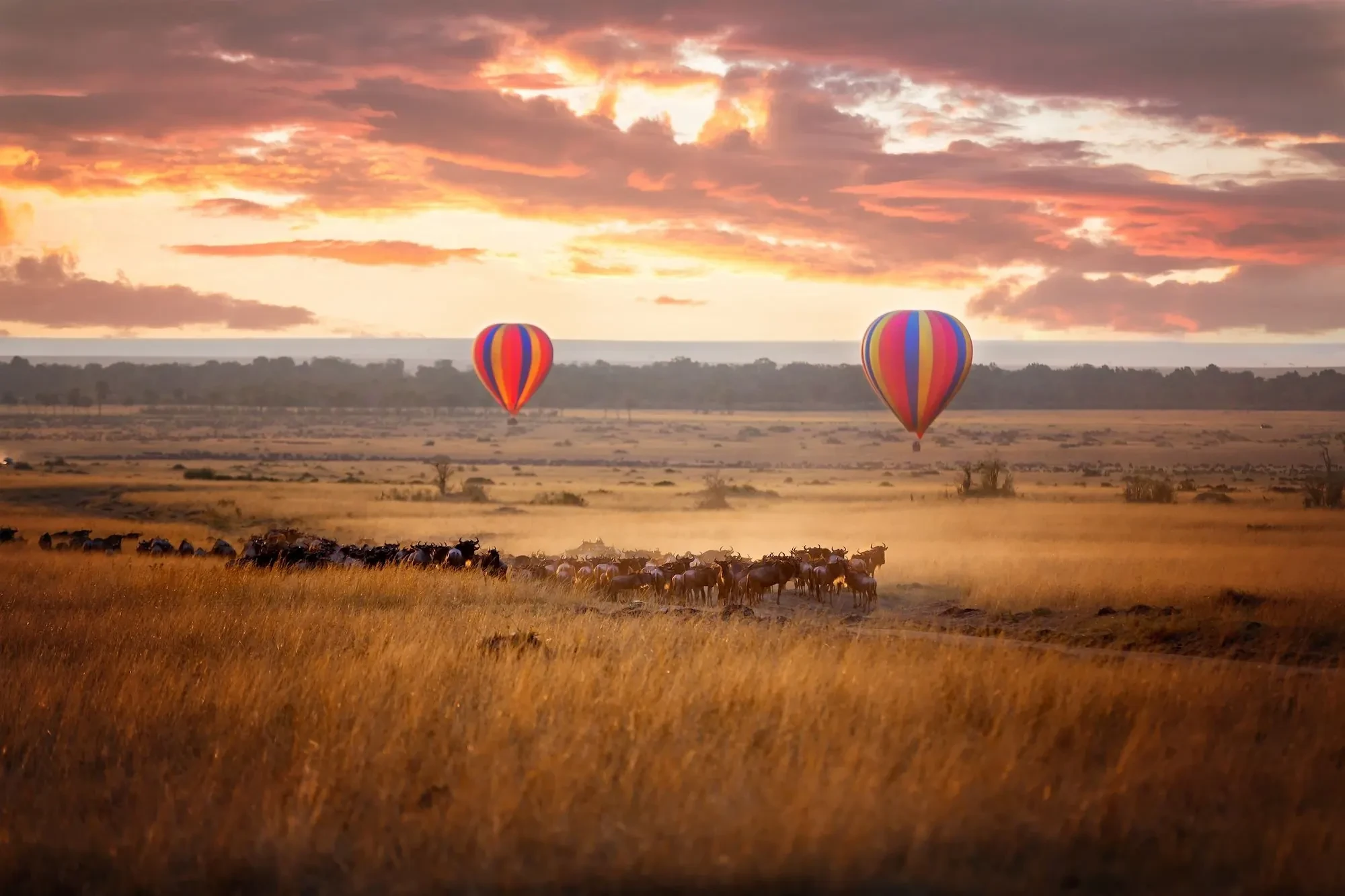
Experience
Horseback safaris
A horseback safari lets you explore the bush on horseback — riding among plains game like zebra and giraffe, which accept a horse far more calmly than a vehicle. Kenya's Maasai Mara and Laikipia conservancies are the prime regions; rides suit confident riders and are best in the dry season (roughly June–October).
Intro
There is no closer way to the wild than from the back of a horse. Where a vehicle makes animals tense, a horse reads as just another grazer — so giraffe keep feeding and zebra drift alongside, and for a few electric strides you are part of the herd rather than watching it.
That intimacy is why horseback safaris are so powerful, and why they need honest matching. This is not a novelty ride tacked onto a lodge stay. Done properly, it is a safari designed around horses, terrain, guides, wildlife behaviour and rider ability. The reward is freedom: open country, quiet approaches, and the strange calm of moving through plains game without an engine.
The detail
You ride out with expert guides across open country no vehicle reaches. In Kenya the great regions are the Maasai Mara (galloping the migration plains) and the Laikipia conservancies. Journeys run from a few hours out of camp to multi-day, camp-to-camp expeditions.
The best rides are built around conservancy access and horse quality. In the Mara, the drama is the grassland: zebra, giraffe, wildebeest and open horizons that invite longer canters when conditions are right. In Laikipia, the mood can be more exploratory: rolling ranch country, rare species, riverbeds and a strong sense of private land stewarded for wildlife.
Rider level matters because the guide may need the group to move decisively. Multi-day rides are for confident riders comfortable at all paces, including canter, while some camps can arrange shorter, gentler rides for less experienced guests. Weight limits, tack, horse temperament and insurance rules vary by operator, so we confirm the practical details before promising the experience.
Season and ground conditions matter too. Dry months usually mean firmer going and clearer routes, while wetter periods can make footing heavier and change where riding is sensible. We match the riding ambition to the land as it will actually be, not to a glossy idea of galloping forever.
Key facts
Where: Mara & Laikipia (Kenya); also Tanzania, Southern Africa. Best: Jun–Oct (dry). Level: confident riders at all paces; multi-day rides not for beginners. Weight limit: typically ~85–95 kg, varies by operator. Special: wildlife accepts a horse far more calmly than a vehicle. Design rule: match route, horse and pace to rider level.
Why Nobu for this
Some journeys are not observed, they are lived. Horseback is one of our expedition experiences, designed with the guides, horses and conservancy access that make it remarkable. We ask about your riding honestly, then match you to the right operator rather than forcing every rider into the same idea of adventure.
We also decide where horseback belongs in the wider trip. A rider-focused journey may make the horse the centre. A family safari may use a shorter ride as one memorable morning. A photographer or first-timer may be better served by walking, night drives or classic game drives instead.
Suitability — "right for you if…"
You're a fit, confident rider comfortable at all paces. Beginners are better suited to a short led ride from camp — tell us your level and we'll be honest about the fit. It is ideal if you want the safari to feel physical, immediate and a little untamed.
It is less right if you are nervous at speed, uncomfortable in open country, or travelling with mixed rider levels and no appetite to split activities. In those cases, we can design a journey where riders get their morning in the saddle while others walk, drive or rest.
Related Nobu journeys
- On Foot and in the Saddle — horseback and walking at the centre of the journey. → Explore
- Into the Wild Mara — ride the migration plains when conditions and access allow. → Explore
- Conservancy and Rhino — Laikipia private land with active days and strong guiding. → Explore
Common questions
- Do I need to be experienced?
- For multi-day rides among wildlife, yes; some camps offer gentle led rides for beginners.
- Is it safe?
- Led by expert guides who keep riders at a safe distance from dangerous animals; riding ability matters because you must move the horse quickly if needed.
- Best horseback safaris in Kenya?
- The Maasai Mara and Laikipia conservancies.
- Can you ride in Laikipia?
- Yes — the Laikipia conservancies are prime horseback country, with open plains, resident wildlife and multi-day, camp-to-camp riding.
- Can non-riders travel with riders?
- Yes, if the lodge or route offers parallel activities such as game drives, walks or rest time while riders go out.
- What should I tell you before planning?
- Your current riding level, comfort at canter, height and weight, any injuries, and whether you want one ride or a riding-led journey.
- Can children ride on safari?
- Sometimes, depending on age, experience and the operator's rules; we check this carefully and never assume a wildlife ride is suitable.
More ways to travel
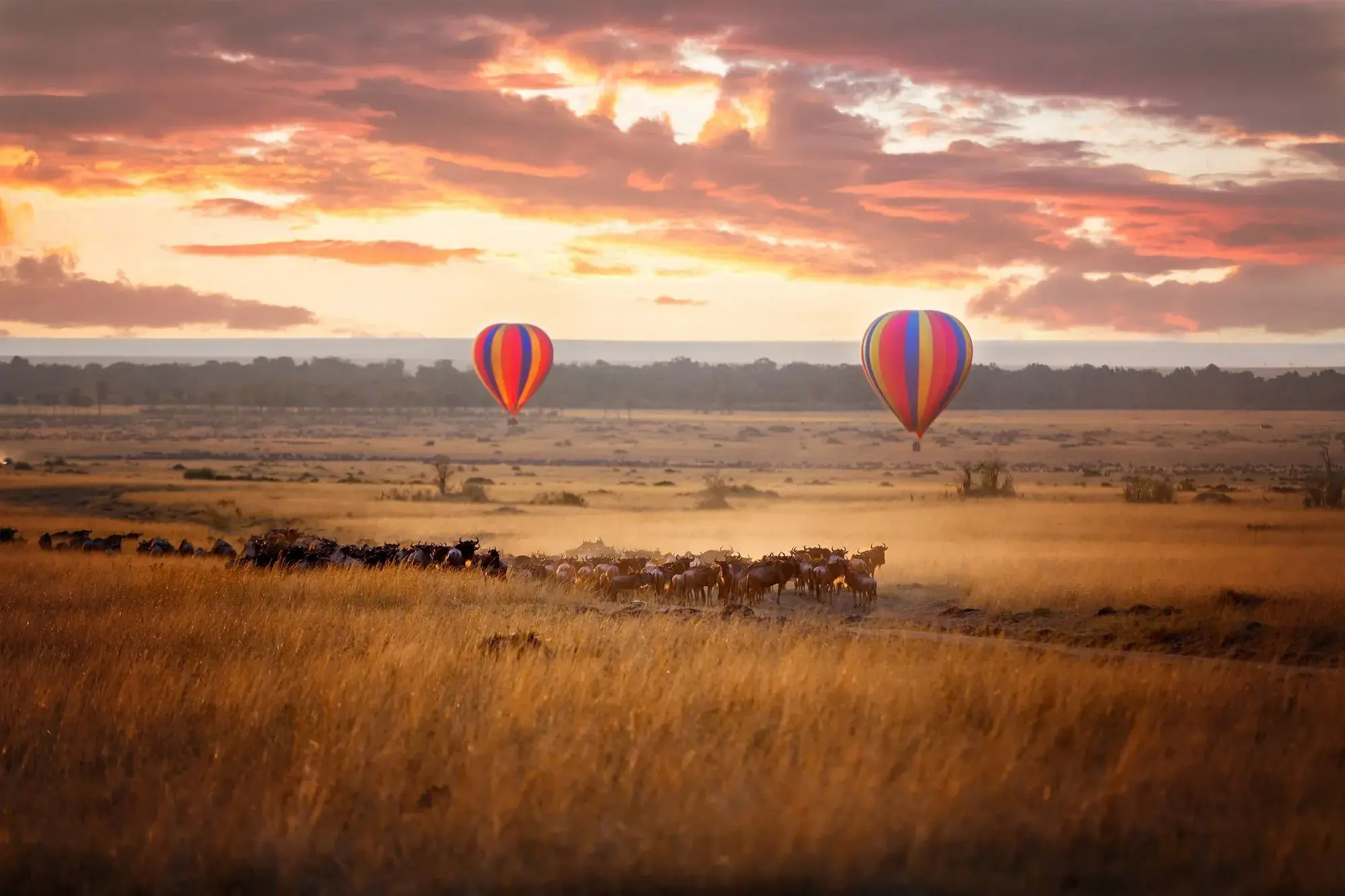 Walking safarisStep out of the vehicle on a walking safari — tracking, detail and the bush at eye level, with expert armed guides in Kenya's conservancies. Your Africa, beautifully told.
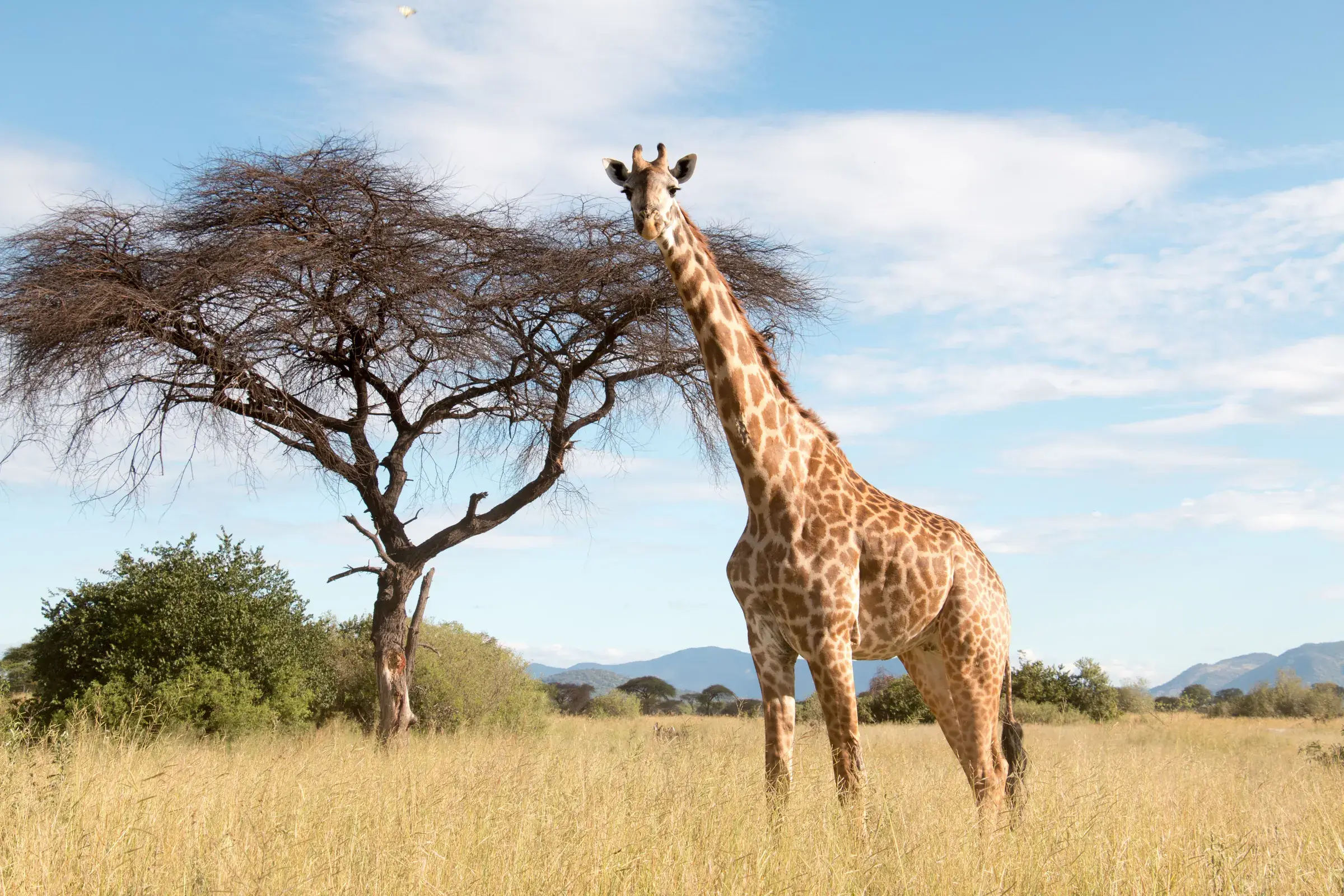 Self-drive safari KenyaA self-drive safari in Kenya: your own 4x4, a planned route and 24-hour support. The freedom of the road with a safety net. Your Africa, beautifully told.
- Self-drive safaris in AfricaSelf-drive safaris across East Africa, including Tanzania — prepared 4x4s, planned routes and local backup. Freedom-led exploration, beautifully told.