
Stories from the wild
Photography safari
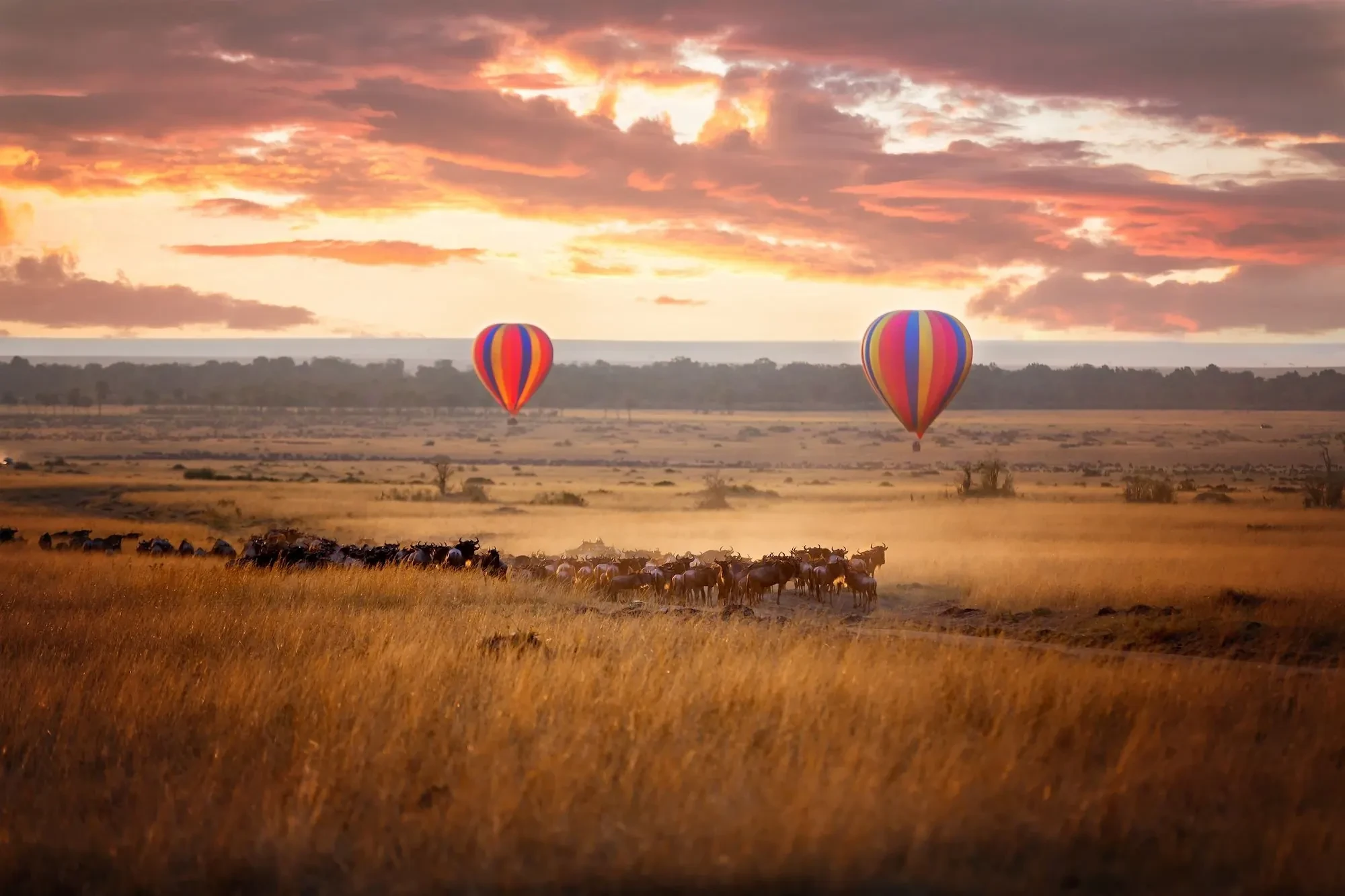
A photography safari is designed around the image: private vehicles with room to work, guides who position for light and behaviour, and days shaped around dawn, dusk and patience. Kenya's Maasai Mara, Amboseli and Laikipia, plus Tanzania's Serengeti and Ngorongoro, are standout settings for different photographic styles.
Written by Joseph Gathuru · Travel designer at Nobu Safaris
Intro
A photography safari changes the priorities. You are no longer asking only what you saw, but how you saw it: the angle of the light, the space around the subject, the behaviour before the moment, the patience that lets one frame become more powerful than ten rushed sightings.
The wild does not perform on command. A lion may sleep for hours. Elephants may arrive after the mountain disappears behind cloud. A crossing may never happen. The craft of a photography safari is designing enough time, flexibility and guiding intelligence for the image to find you.
The detail
The first requirement is often a private vehicle. It gives you control over position, pace and time. You can stay with one leopard while other vehicles move on, choose the low side for backlight, avoid crowding a sighting, or return to a place because the guide knows the light will improve. It also gives each photographer room for equipment and a clear angle.
The guide matters as much as the vehicle. A strong photographic guide understands animal behaviour, light, distance and patience. They know when not to move. They know when a cheetah's body language has changed, when elephants are likely to cross a track, when a bird will lift, when a cat may use shade, and when the best picture is wider than the animal itself.
The setting depends on the subject. The Maasai Mara is outstanding for big cats, plains drama and migration intensity in season. Amboseli is one of East Africa's great elephant landscapes, especially when Kilimanjaro shows itself. Laikipia can offer rhino, conservancy texture, hides, walking and night possibilities where available. The Serengeti gives scale, migration movement and horizons that suit wider composition. Ngorongoro can deliver dense wildlife in a contained volcanic landscape.
Season changes the image. Dry months often bring easier wildlife visibility, dust, action around water and shorter grass. Green season brings dramatic skies, fresh colour, birds in breeding plumage and fewer vehicles. Serious photographers often care as much about atmosphere as certainty; sometimes the storm cloud makes the picture.
Photography also affects pacing. You may want fewer camp changes, more repeat drives in one area and a route weighted toward the species or scenes that matter most: big cats, elephants, birds, migration, rhino, landscapes or people and culture. A general safari can be wonderful; a photography safari needs a narrower intention.
Key facts
Best ingredients: private vehicle, patient guide, flexible pacing, room for equipment and strong dawn/dusk access. Best Kenya settings: Maasai Mara for cats and migration drama; Amboseli for elephants and Kilimanjaro; Laikipia for rhino, conservancy texture and variety. Best Tanzania settings: Serengeti for scale and movement; Ngorongoro for dense wildlife. Season: dry for visibility and action; green for skies, colour, birds and mood. Suits: serious photographers, keen amateurs, phone-first visual travellers and families who want a slower, more observant safari.
Why Nobu for this
Nobu designs photography safaris around what you want to make, not just where you want to go. We ask what you shoot, how serious your kit is, whether you prefer predators, elephants, birds, people, landscapes or the migration, and whether you need a private vehicle throughout or only in key areas.
Then we choose the route with restraint. A photographer is often better served by deeper time in fewer places than a long list of famous locations. The right guide, vehicle and light window will do more for the final images than another rushed camp change.
Suitability — "right for you if…"
A photography safari is right for you if you would rather wait for one extraordinary frame than rush through many sightings. It suits serious photographers, wildlife enthusiasts, visually minded travellers and anyone who wants a guide to think about light, behaviour and positioning.
It may be less right if your group has mixed patience levels. In that case, we can split the design: private vehicle for photography days, shorter drives for family days, or a route where non-photographers have strong camp life and downtime.
Related Nobu journeys
- Into the Wild Mara — big cats, migration drama and private guiding options in the best light. → Explore
- Elephants & the Mountain — Amboseli-led, built for elephants and Kilimanjaro atmosphere. → Explore
- Conservancy & Rhino — Laikipia texture, rhino and private-conservancy photography. → Explore
Common questions
- Where is best for a photography safari?
- The Maasai Mara for big cats and migration drama, Amboseli for elephants beneath Kilimanjaro, Laikipia for rhino and conservancy texture, and the Serengeti for scale.
- Do photographers need a private vehicle?
- It is strongly recommended. It gives control over pace, position, time at sightings and space for equipment.
- When is the best time for safari photography?
- Dawn and dusk are key year-round. Dry months help visibility; green season can be superb for dramatic skies, colour and birds.
- Can phone photographers enjoy a photography safari?
- Yes. You do not need professional equipment to benefit from better light, patient guiding and thoughtful positioning.
- How do you design around a specific subject?
- We weight the route toward the species or scene: Mara cats, Amboseli elephants, Laikipia rhino, Serengeti migration, birds or landscapes.
More stories
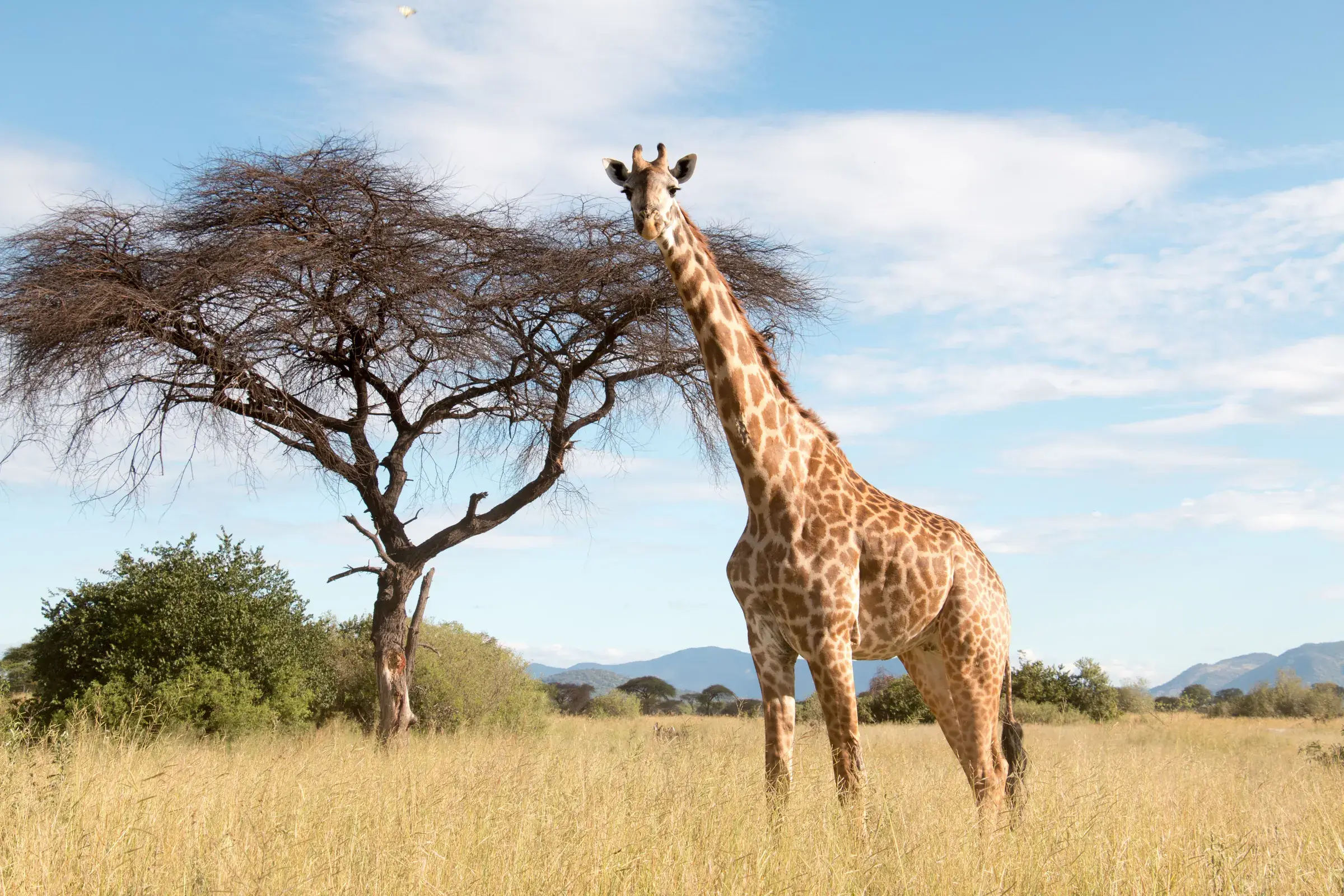 Private safari KenyaA private safari in Kenya — your own 4x4 and guide, a flexible pace, and the option of sole-use camps. Exclusive, not just luxurious. Your Africa, beautifully told.
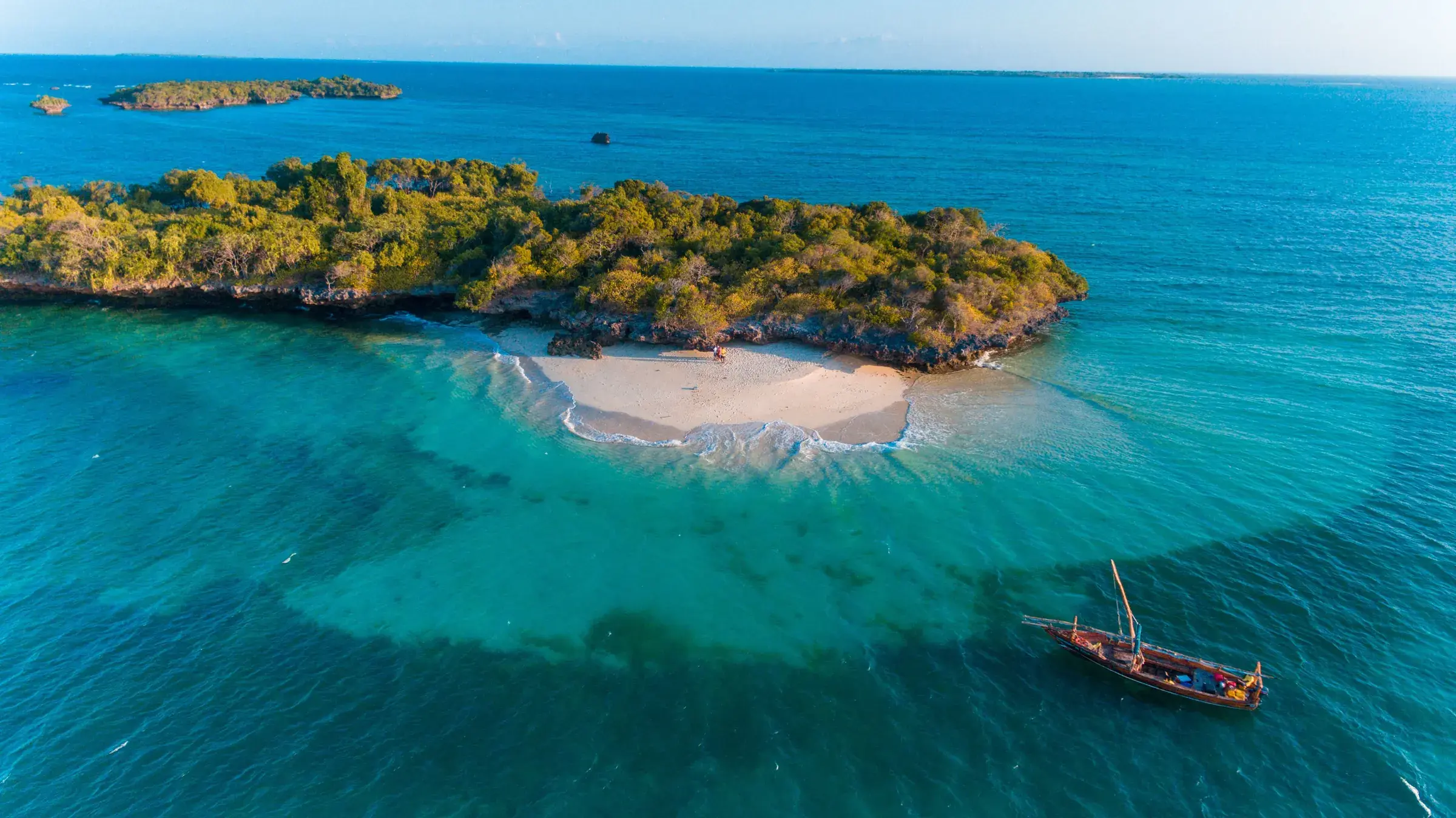 Safari & beach holidayA safari and beach holiday — the great plains followed by Zanzibar or the Kenyan coast. How to combine them, and when to go. Your Africa, beautifully told.
 Solo safariA solo safari designed for travelling alone — sociable camps, expert guiding, real safety, and honest advice on single supplements. Your Africa, beautifully told.